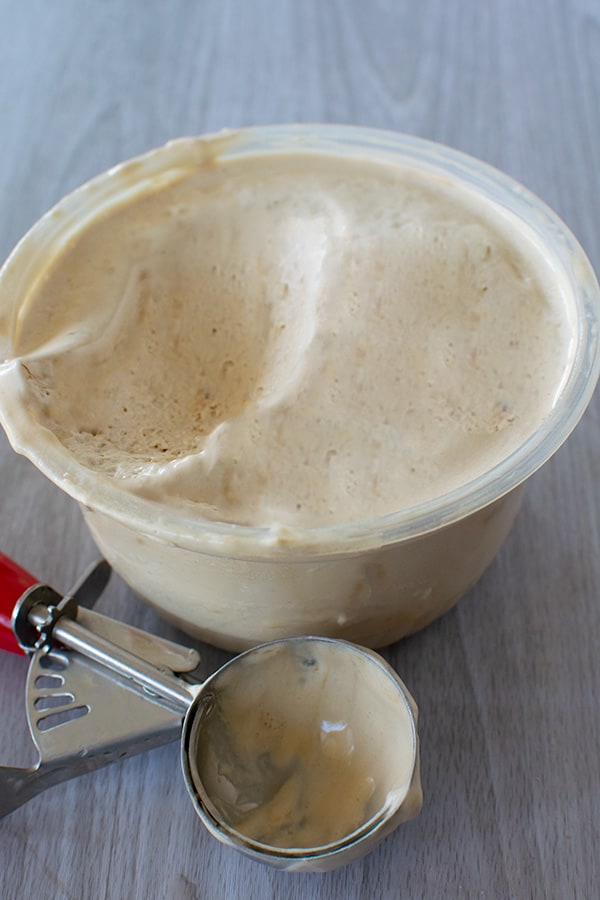
Easy Dairy-Free Coffee Ice Cream is a simple, homemade, soft-frozen dessert recipe. No-cook, no-churn, and no need for an ice cream machine. Just whip, mix, and freeze for a creamy, sweet non-dairy coffee treat!
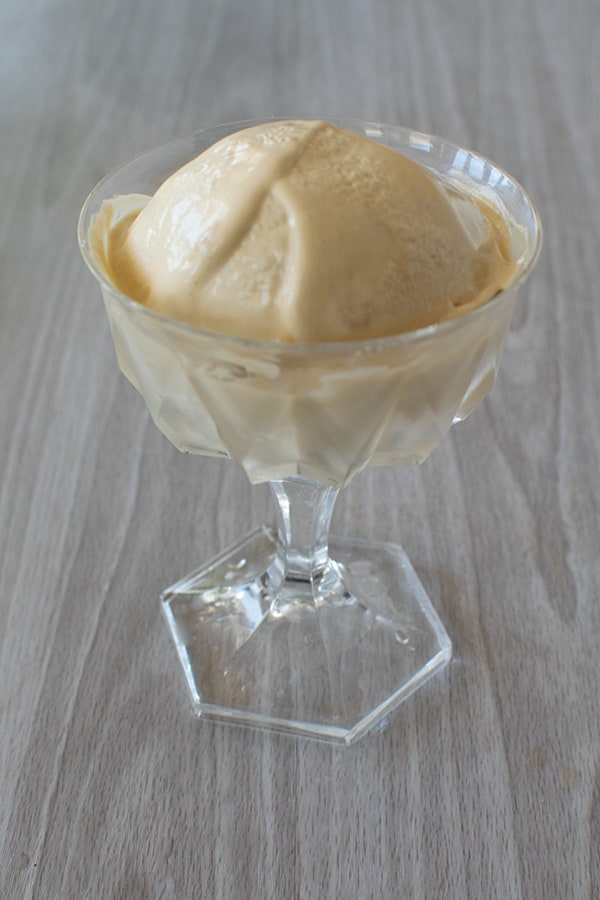
Why make this soft-frozen coffee dessert?
No need for an ice cream machine to make this delicious, creamy coffee ice cream!
This recipe is completely no-churn and no-cook.
It is amazingly easy to make in one bowl with only 5 ingredients, all without coconut milk or coconut cream.
If you love coffee, this is the perfect way to treat yourself on a hot day. It hits the spot after a backyard BBQ and goes wonderfully with cake at parties.
If you aren't dairy-free, simply swap the whip for a dairy version instead!
Frequently Asked Questions (FAQs) for this Coffee Ice Cream recipe
1. Why do I need to whip the cream first?
Whipping the cream first is the key to the texture. Since this is a "no-churn" recipe, whipping the cream incorporates the air needed to create a light, scoopable consistency. If you skip this step or add the liquid ingredients before the cream is whipped, the final result will be dense and icy.
2. What is the process for combining the ingredients?
After whipping the dairy-free cream until stiff, simply add the eggs, sugar, vanilla extract, and instant coffee crystals into the bowl. Mix everything together until the mixture is uniform and smooth. Once combined, transfer it directly to a container and freeze.
3. Do I need to be concerned about unmelted instant coffee crystals?
No. Just make sure that they have fully incorporated into the mixture before you freeze. If you are Sift your cocoa powder before folding it into the mixture. Because you are worried about it, you can melt it in a half of a teaspoon of boiling water and let cool before you mix it in with the rest of the ingredients.
4. Is there a trick to keeping this no-churn ice cream creamy?
The "no-churn" method relies on the aeration of the whipping cream. Once you mix in your eggs, sugar, and cocoa, avoid over-mixing. The goal is to incorporate the ingredients until just uniform, keeping as much air in the mixture as possible to prevent a dense or icy final product.
5. How do I prevent ice crystals from forming in the freezer?
Since this recipe does not go through a churning process to break up crystals, store it in an airtight container. Press a piece of parchment paper directly onto the surface of the ice cream before sealing the lid to block out air and prevent freezer burn.
6. Can I use a different type of sweetener?
While granulated sugar is recommended for this recipe because it dissolves well into the eggs and cream, you can use superfine sugar for an even smoother mouthfeel. If using a liquid sweetener, be cautious, as it can alter the freezing point and consistency of the final product.
7. How long should I freeze this before serving?
For the ideal scoopable texture, freeze for at least 6-8 hours.
What are some fun facts about ice cream?
Ice cream is made by an involved process using milk, milk protein, sugar, ice, water, and air, which turns the mixture into foam as frozen air cells.
Nowadays, we have freezers in which to store our ice cream (and frozen desserts), but before refrigeration, making ice cream took quite a bit of effort and was only served for special events or on special occasions.
Before refrigeration, ice had to be cut from frozen lakes and ponds in the winter. The ice was then stored for later use (even in the summer) in ice houses or even in holes dug in the ground.
The pot-freezer method of preparing ice cream was by making it in a large bowl, which was placed in a tub filled with crushed ice and salt to reduce the temperature of the ingredients to below the freezing point of water.
French confectioners used a method similar to the pot-freezer method but used a covered pail with a handle attached to the lid (called a sorbetiere).
The hand-cranked churn replaced the pot-freezer method and also used ice and salt for cooling. This method was quicker than the pot-freezer method and produced a smoother ice cream.
Ice cream was initially sold by small businesses until a milkman, Jacob Fussell, began making small batches of it from leftover milk and cream. Fussell opened the first ice cream factory in 1851 in Pennsylvania and moved his successful business to Baltimore in 1854.
Fussell, known today as the Father of the Ice Cream Industry, opened more factories in other cities and taught the business to others who opened their own factories. The mass production of ice cream made it more affordable and more accessible to everyone and was no longer a dessert just for the rich.
Popularity increased even more with the invention of the household freezer in the 1920s, when it became much easier to store the frozen dessert.
Ice cream is a beloved dessert, and some people will go to some extreme lengths to get their hands on the treat. For example, during World War II, American fighter pilots in the South Pacific found an ingenious way of making ice cream.
They attached 5-gallon cans to their aircraft. The cans were fitted with small propellers spun by the slipstream, which drove a stirrer, which agitated the mixture, which froze in the high altitude of the planes as they flew. B-17 crews and others found similar methods of making ice cream during the war.
Check out the history of ice cream!
What equipment is good to have in my kitchen for simple baking?
- a stand mixer, mostly for dough
- a hand mixer
- a kitchen scale
- baking pans, including loaf pans
- mixing bowls (or just large bowls)
- cookie sheets
- pie dishes
- dry measuring cups
- liquid measuring cups
- measuring spoons
- whisks
- rubber spatulas
- rolling pins
- a baking mat for rolling out dough
- baking strips
- a good supply of baking (or parchment) paper (also round for layer cakes) and muffin/cupcake paper
What are ingredients that can help me make last-minute desserts?
- flour
- white granulated sugar
- brown sugar (light/dark-I usually keep dark)
- confectioners' sugar (powdered sugar)
- salt
- baking powder
- baking soda
- cocoa powder
- ground cinnamon
- ground nutmeg
- ground ginger
- ground cloves
- baking chocolate
- chocolate chips
- instant dry yeast
- vanilla and/or vanilla sugar
- cooking oil/cooking spray
- margarine or butter
- eggs
- honey
- instant coffee
- various extracts (real or imitation)
- whipping cream
- packaged pie dough or ready-made pie crusts
- puff pastry dough
What do you need to make dairy-free coffee ice cream?
I hardly ever meal plan, so I like to keep a cupboard full of seasonings, spices, veggies, and canned goods in my kitchen to use whenever the mood strikes.
But these are all you need to have on hand to make this recipe even last minute!
non-dairy whipping cream
eggs
white granulated sugar
instant freeze-dried coffee
vanilla extract (a good imitation is fine)
If you love this coffee ice cream...
Then try these!
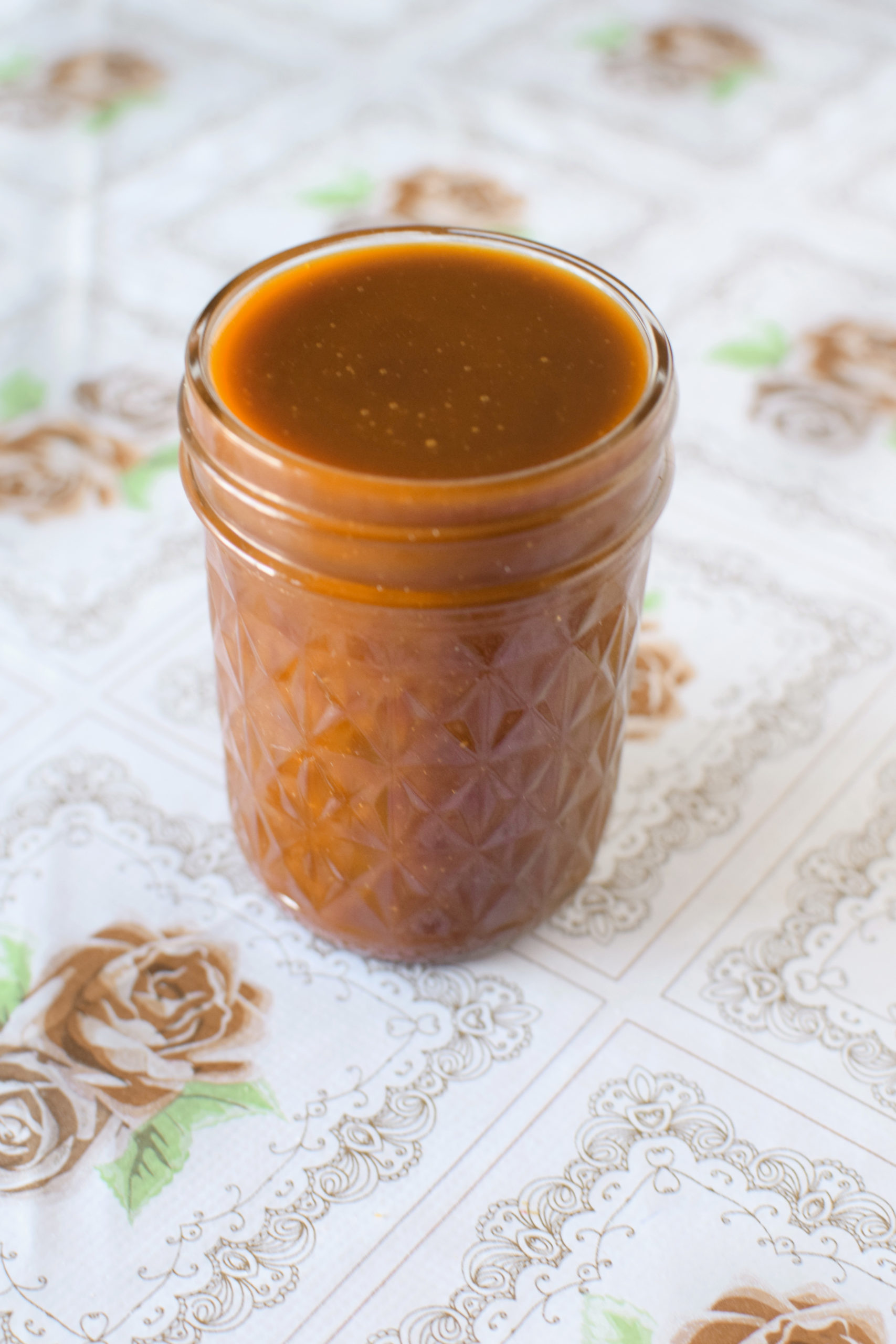
And this dairy-free caramel sauce!
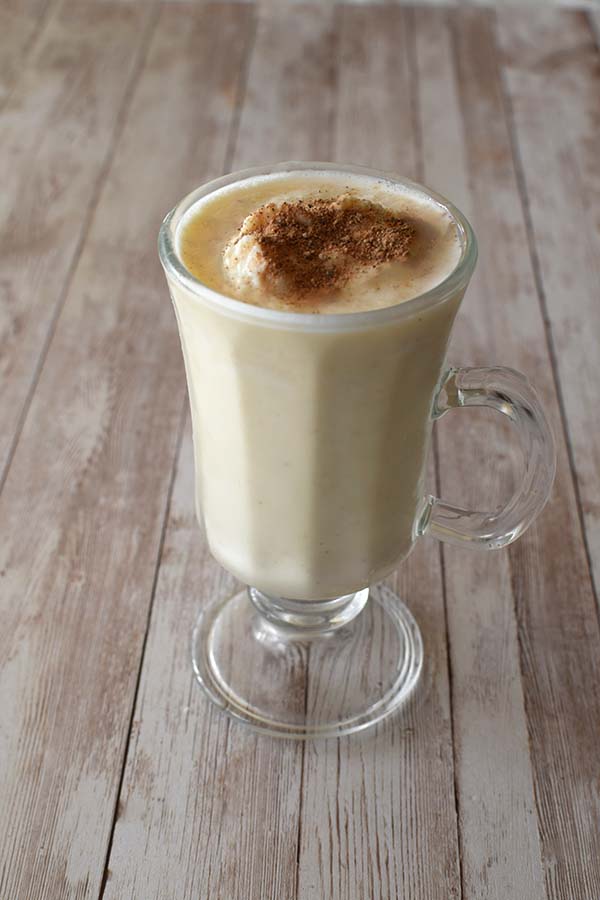
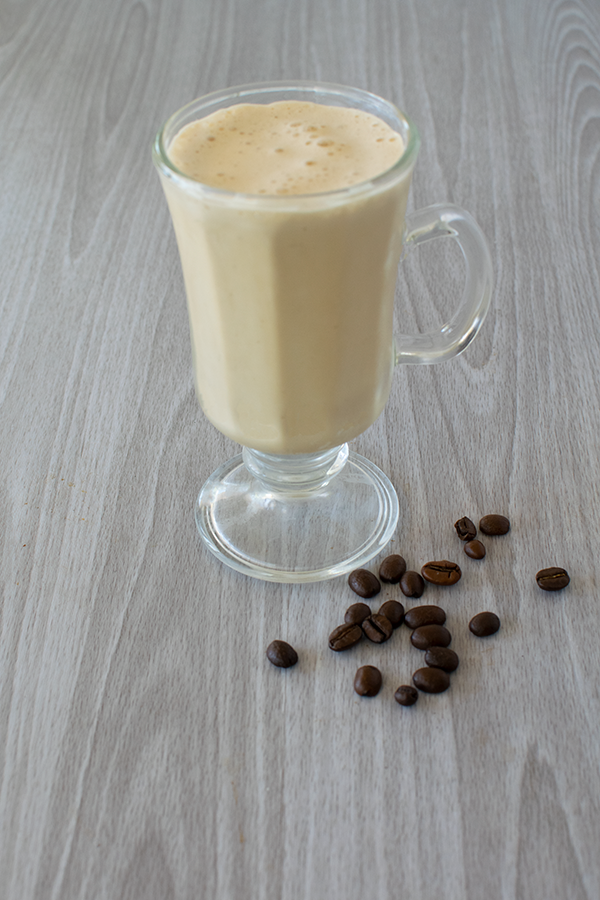
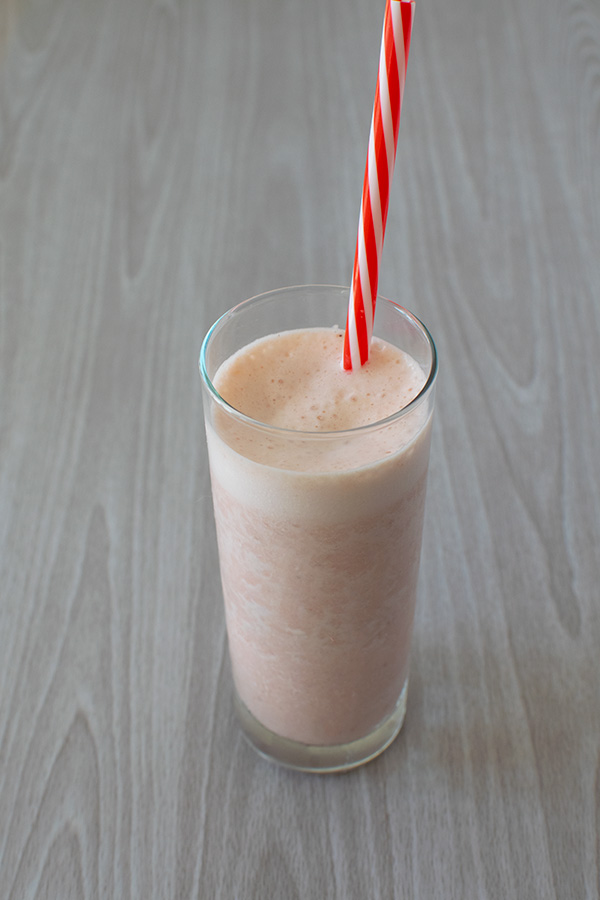
And here are some cold, sweet drinks!
Easy Dairy-Free Coffee Ice Cream Recipe, No-Cook, No-Churn
Homemade, no-cook, no-churn soft coffee ice cream, non-dairy. Made in one bowl and with only 5 ingredients! No ice cream machine needed!
Ingredients
- 8 ounce container non-dairy whipping cream
- 3 eggs
- ½ cup white granluated sugar
- 2 to 3 teaspoon instant freeze dried coffee
- 1 teaspoon vanilla extract (a good imitation is fine) or to taste
Instructions
- Whip whipping cream until stiff.
- Add coffee, eggs, sugar, and vanilla to the whipped cream.
- Whip all together well.
- Freeze for 8 hours or until stiff *
Notes
* This is a soft ice cream so it won't get hard and the freezing time depends on your freezer.
Bonus: This recipe contains no coconut milk or coconut cream so you won't have a coconutty coffee flavor.
Nutrition Information:
Yield:
4Serving Size:
1Amount Per Serving: Calories: 369Total Fat: 24gSaturated Fat: 14gUnsaturated Fat: 9gCholesterol: 204mgSodium: 71mgCarbohydrates: 33gSugar: 33gProtein: 6g