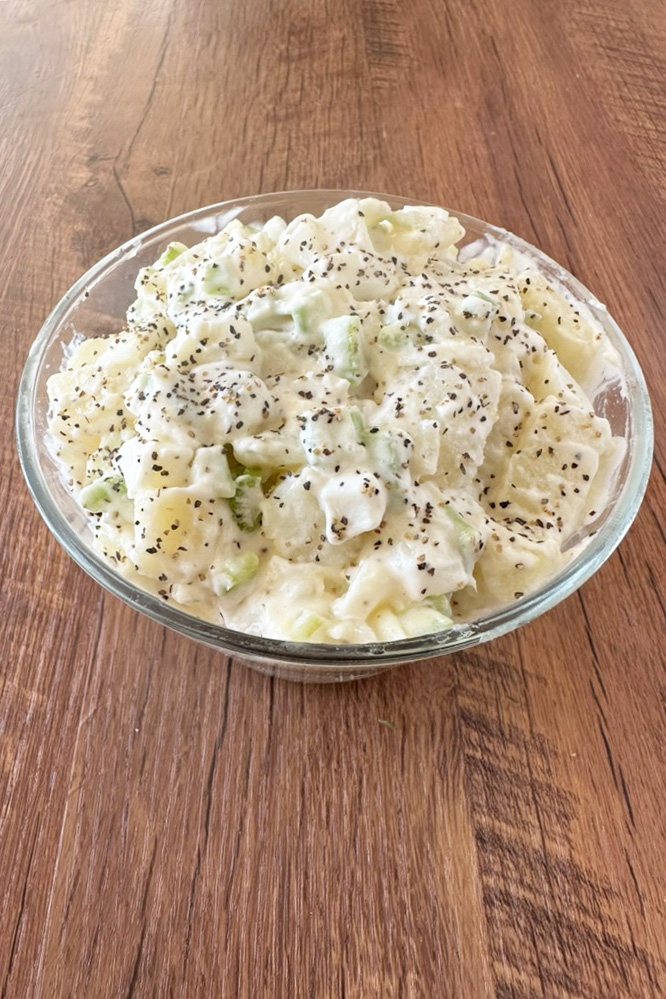
Israeli Potato Salad, known as mayonnaise salad in Israel, is one of the vegetarian side salads called salatim. It's an easy 6-ingredient, dairy-free recipe similar to Olivier salad.
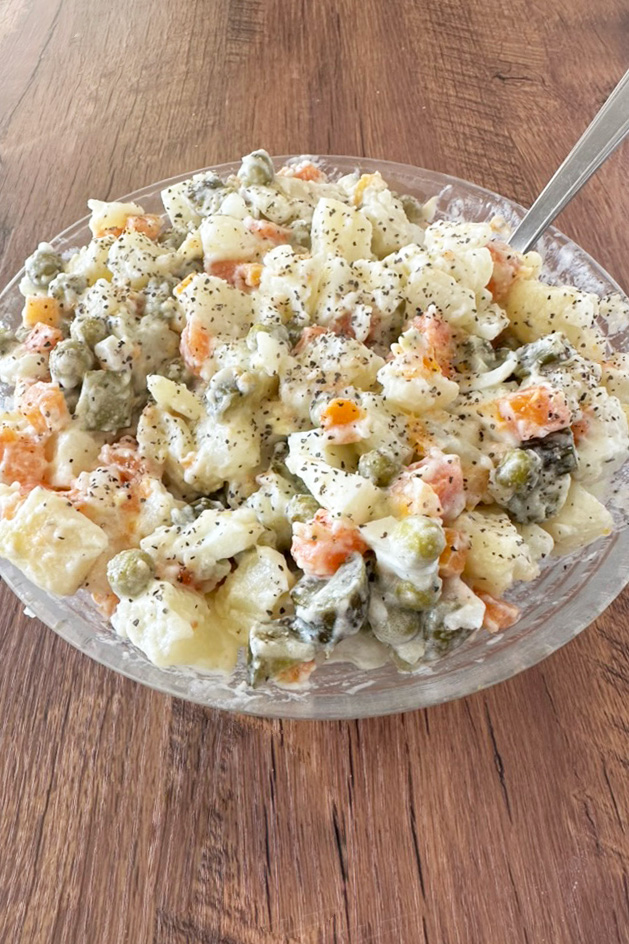
Israeli potato salad (salat mayonnaise-pronounced sah-laht may-oh-naiz) is a popular side salad based on the Olivier potato salad brought to Israel by immigrants who came during the waves of Eastern European immigration into the country.
Salads (or salatim) are pretty much a staple in Israeli food. They're served as sides or as appetizer salads on mezze spread platters.
Everyone seems to have their own way of making salat mayonnaise. With diced pickles, without peas, with both. Whatever.
As long as there are potatoes, mayonnaise, and a variation of the vegetables, it's still salat mayonnaise.
What's funny is that they call it "mayonnaise salad" as if the mayonnaise were the most important ingredient and not the potatoes!
This budget-friendly, vegetarian salad can be found in any grocery store and is popular pretty much wherever you'll find pita. At barbeques, get-togethers, and events.
Jump to:
What is needed to make this Israeli-style potato salad recipe?
I hardly ever meal plan, so I like to keep a cupboard full of seasonings, spices, veggies, and canned goods in my kitchen to use whenever the mood strikes.
But these are all you need to have on hand to make this recipe even last-minute!
potatoes
hard-boiled eggs
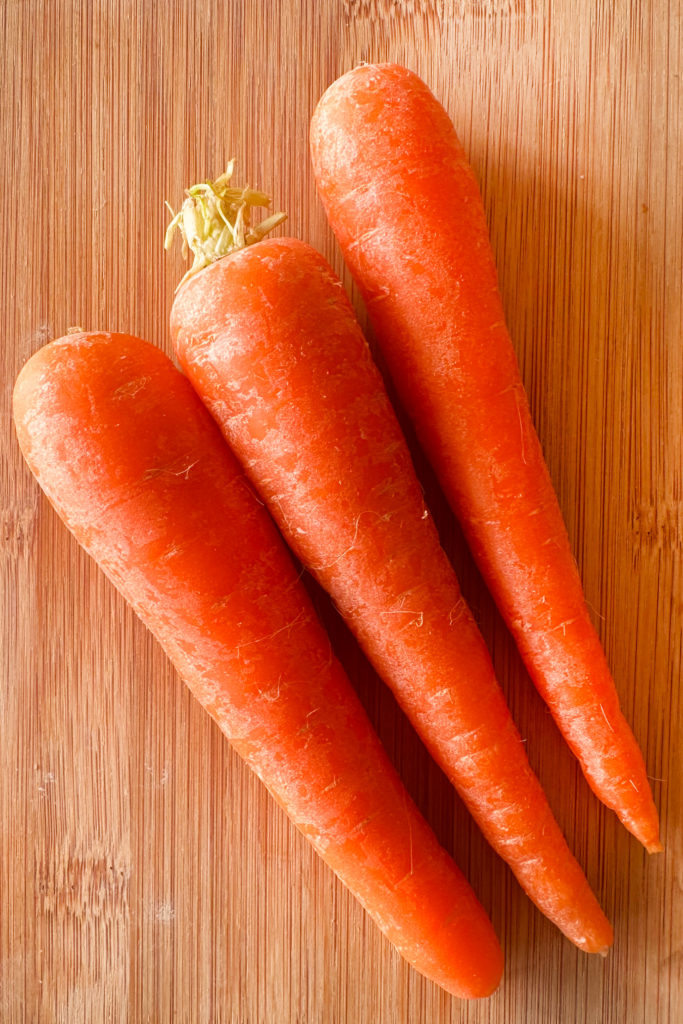
canned peas and/or carrots (or equivalent frozen)
mayonnaise
salt
pepper, black or white
dill pickles (optional)
What's good about potatoes?
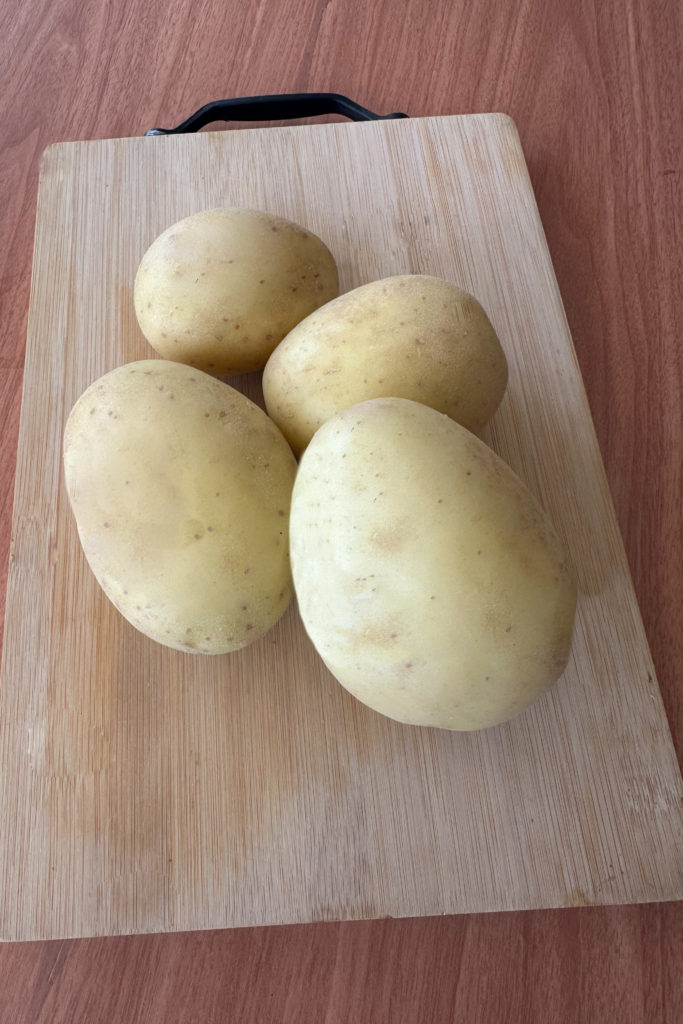
The potato is a perennial, starchy tuber, a root vegetable, that is native to the Americas.
Potatoes contain health benefits and are an excellent source of fiber, vitamins, and nutrients and provide fuel for the body.
Potatoes are gluten-free and very filling. In addition, they are a good source of antioxidants-some more than others-and they contain resistant starch. However, their nutritional content depends on the type of potato. Much of a potato's nutrition is in the skin of the potato, and peeling them reduces their nutritional value.
Adding fattening toppings, such as sour cream or butter, adds calories and fat.
Different potatoes are considered to work best with different recipes, but overall, they can be used in a variety of delicious meals for recipes from all over the world.
There may be over a couple hundred varieties of potatoes in the United States, but there are only 7 main categories. The most popular of these are the red, white, yellow, and russet.
Fun Facts
- Potatoes were first cultivated in Peru by the Incas.
- Potatoes were introduced to Europe (Ireland) toward the end of the 16th century.
- Potatoes began to be planted in the colonies in the early 1700s.
- Potatoes are the #1 vegetable crop in the United States and 4th most consumed in the world.
- Idaho is the largest grower of potatoes.
- The potato was the first vegetable to be grown in space.
And peas have nutritional value too!
Frequently Asked Questions (FAQs)Frequently Asked Questions (FAQs)
What is Israeli-style potato salad?
Israeli-style potato salad, locally known as salat mayonnaise or mayonnaise salad, is a creamy potato salad inspired by traditional Russian Olivier salad. It became popular in Israel through the influence of Eastern European Jewish immigrants.
How do you pronounce salat mayonnaise?
Salat mayonnaise is pronounced sah-laht may-oh-naiz. In Hebrew, salat simply means salad.
What ingredients are in traditional Israeli potato salad?
Traditional versions typically feature boiled potatoes, mayonnaise, and various add-ins such as diced pickles, peas, carrots, and hard-boiled eggs. Recipes vary widely by household and personal preference.
What is the best mayo to use with this recipe?
I prefer Hellmann's/Best Foods mayonnaise. It's the same mayonnaise sold under different names depending on where you are in the United States, but you can use whichever mayonnaise you prefer or have available.
What are salatim in Israeli cuisine?
Salatim refers to the variety of vegetable salads and dips commonly served at the beginning of an Israeli meal or alongside main dishes.
A little about Israeli cuisine
Some people complain about cultural appropriation in cuisine when food from one country is attributed to another country.
When people move from country to country, they will take their cultures with them, and their descendants may adapt their traditional cuisine with that of their new home.
When one lives in a melting pot, such as the US or Israel, it is just unrealistic to expect that food from a particular culture won't mingle with that of other cultures.
"Israeli cuisine" is basically Middle Eastern (as opposed to Eastern European food) that was brought to Israel by Jews when they fled or were expelled from Muslim countries and moved to Israel mostly after the declaration of the State of Israel (collectively known as Mizrahi Jews).
Recipes were passed from generation to generation, and although decades have come and gone, the foods are still known by the culture they came from, and everyone seems to have their own way of making them.
That said, there are many variations of pretty much any "Israeli" recipe because of background, custom, or even just taste.
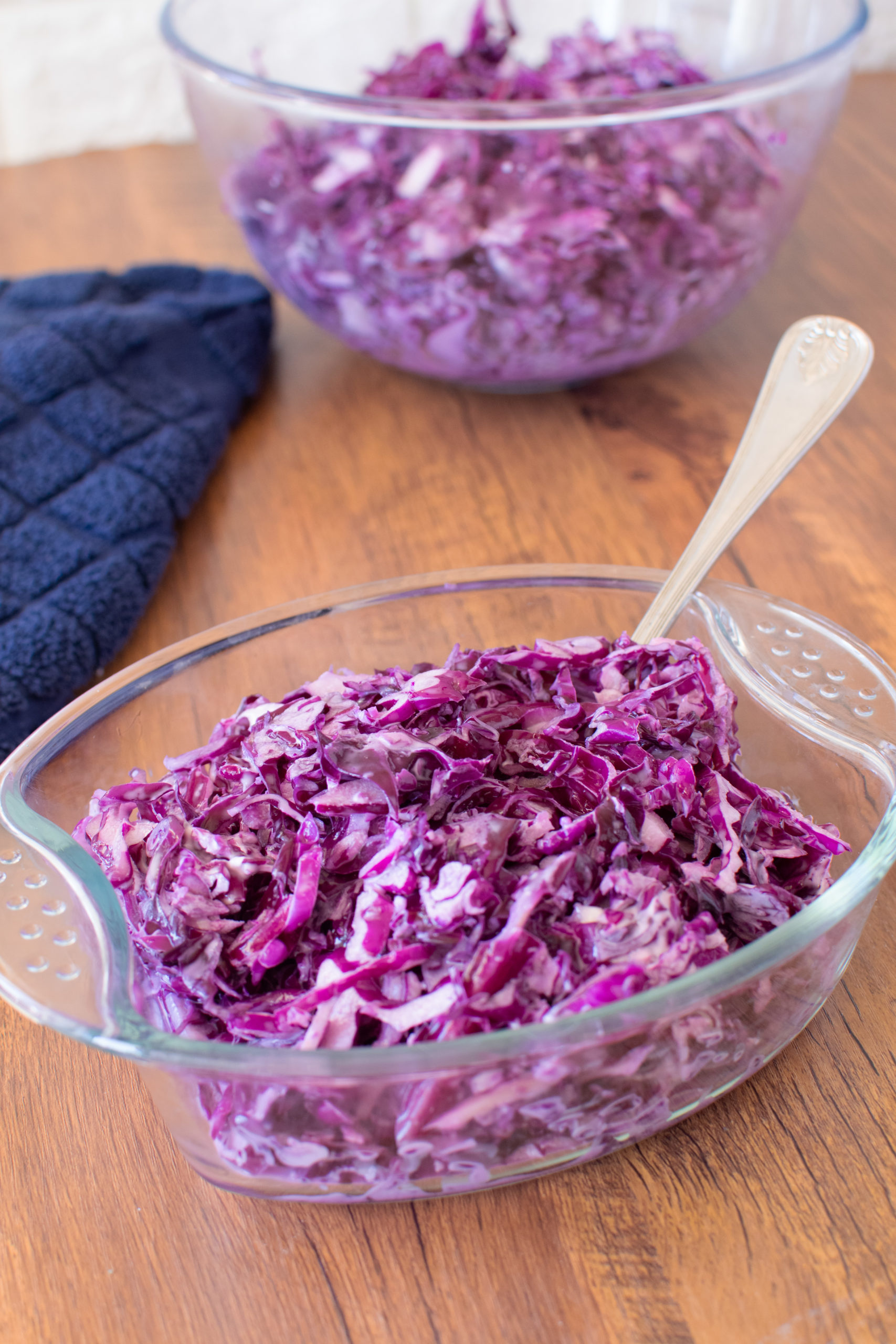
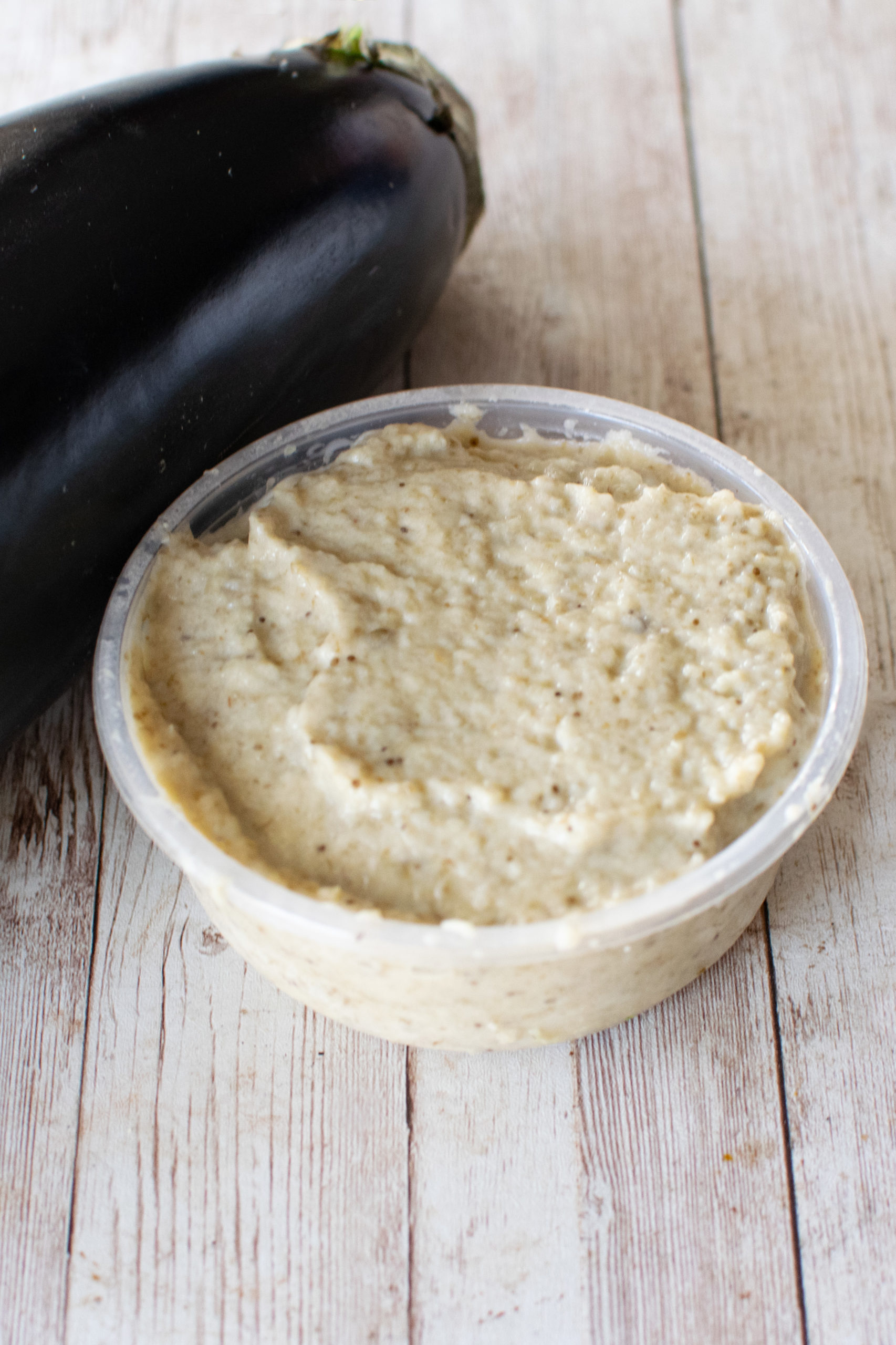
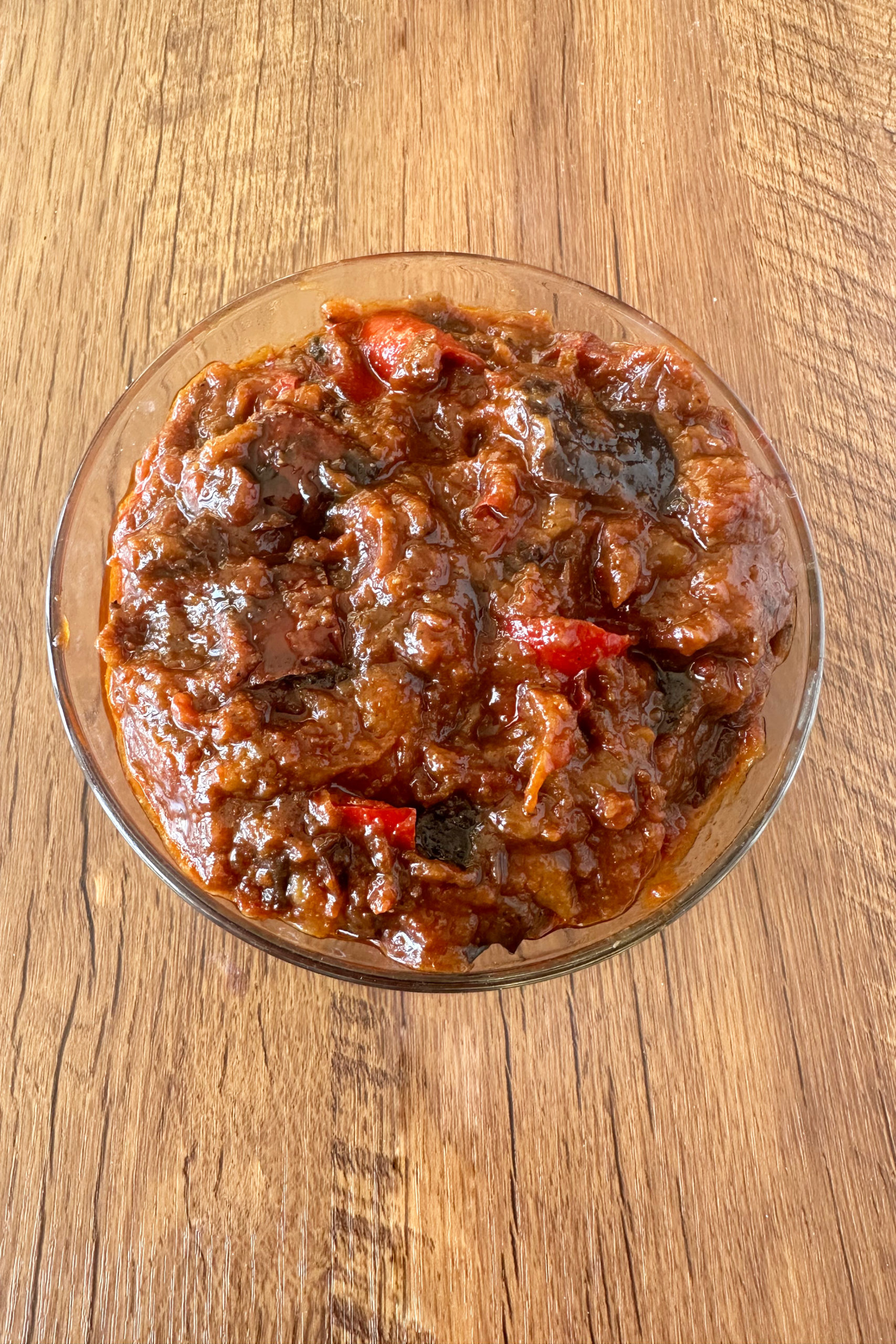
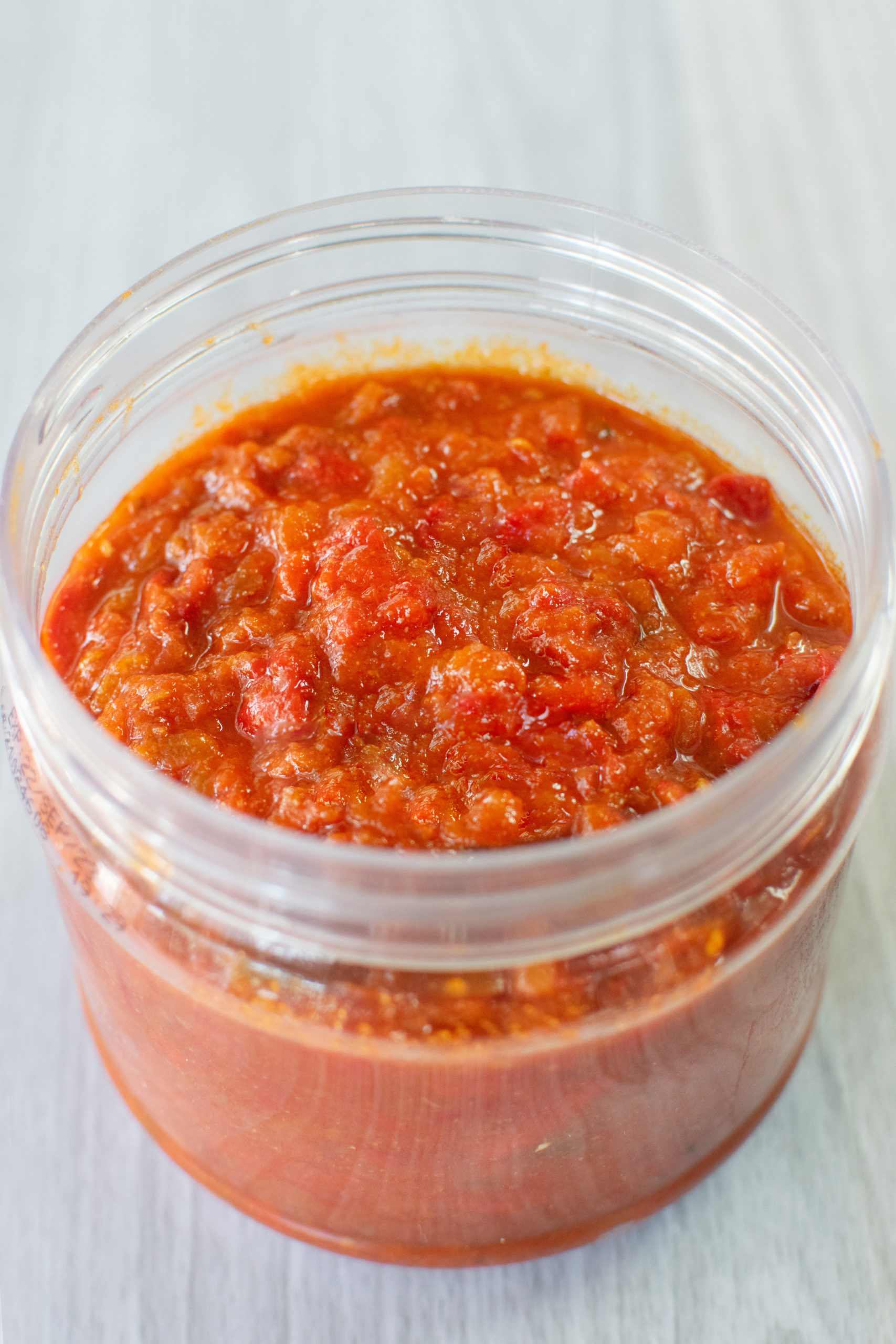
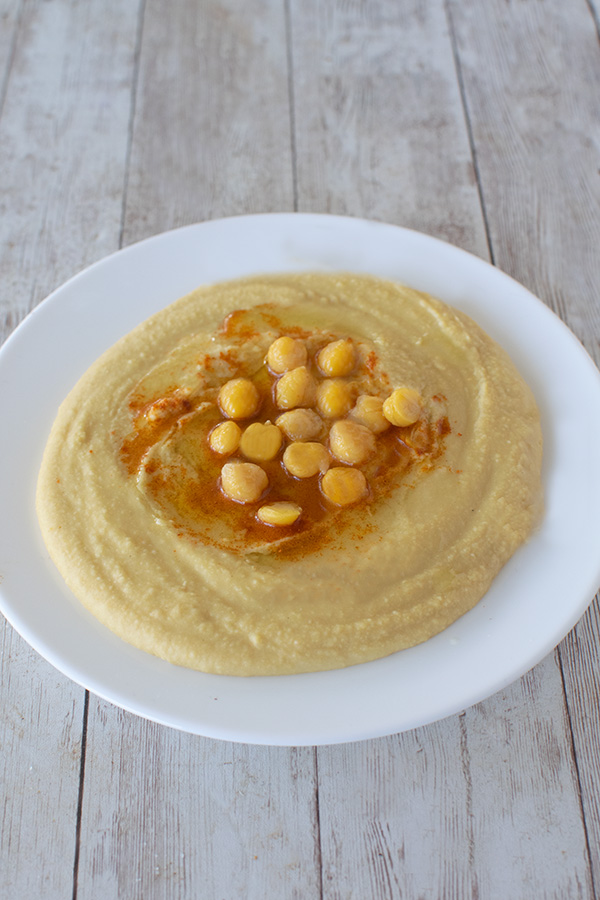
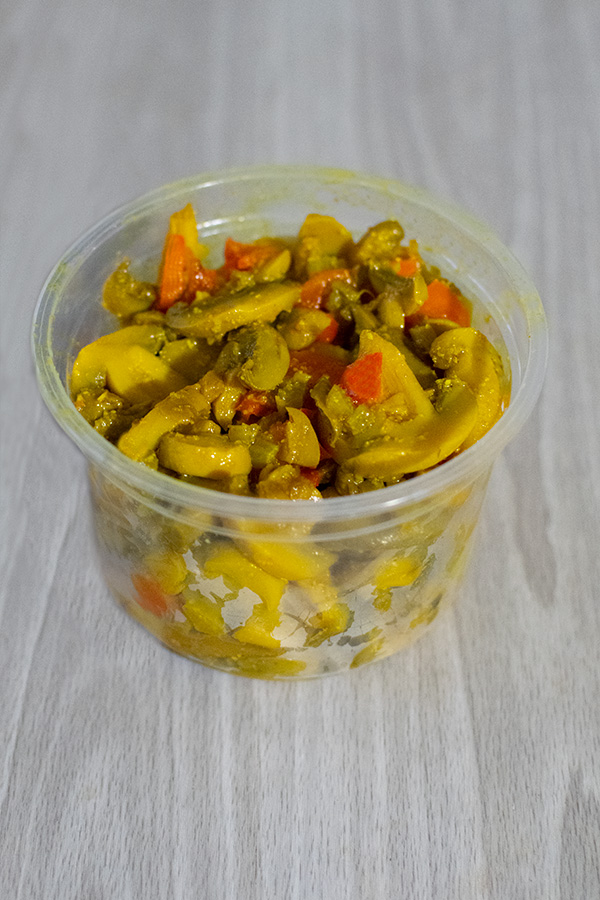
Love Israeli and Middle Eastern salads? Try these!
Israeli Potato Salad
Easy, dairy-free, and delicious, popular Israeli potato side salad with peas, carrots, and/or pickles.
Ingredients
- 2 pounds of potatoes, peeled and boiled*
- 2 hard-boiled eggs
- 1 can of peas and/or carrots (or equivalent frozen)**
- ½ cup mayonnaise (you can use more or less, as desired)
- ½ teaspoon salt (or to taste)
- ½ teaspoon pepper, black or white, or to taste (and more for garish, optional)
- 2-3 dill pickles, diced or chopped into small pieces (optional)
Instructions
- Chop or dice the potatoes into approximately 1" pieces and put into a large mixing bowl.
- Cut the eggs into 6-8 pieces each and add to the potatoes.
- Add the peas and/or carrots and gently mix with the potatoes and eggs.
- Fold in the mayonnaise, salt, pepper, and pickles (if desired) until fully combined.
- Chill for ½-1 hour, optional.
Notes
* approximately 5 or 6 medium
** you can use either/or (either peas or carrots), as desired
Nutrition Information:
Yield:
4Serving Size:
1Amount Per Serving: Calories: 470Total Fat: 26gSaturated Fat: 5gUnsaturated Fat: 22gCholesterol: 107mgSodium: 530mgCarbohydrates: 49gFiber: 6gSugar: 4gProtein: 9g