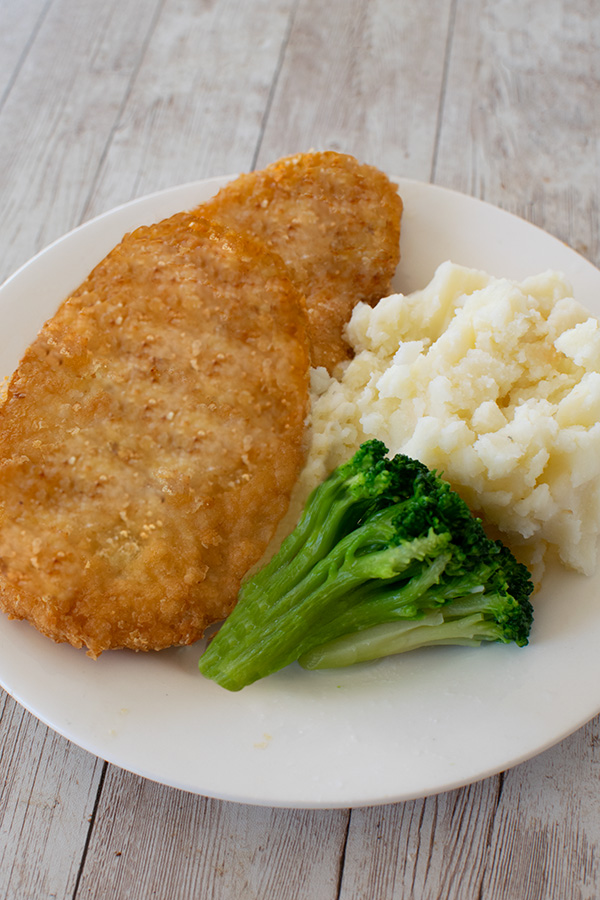
Easy Cornflake-Crusted Turkey Cutlets, or turkey shnitzels, provide a lean, high-protein alternative to traditional breaded cutlets. A 4-ingredient, dairy-free recipe, made without buttermilk.
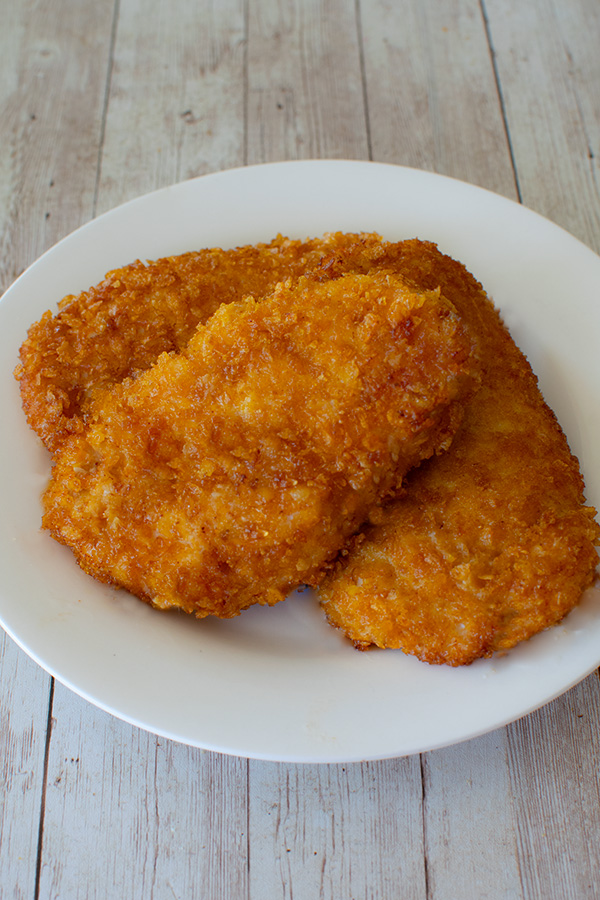
Cornflake turkey cutlets are a family-friendly, quick, and simple turkey schnitzel that's perfect for busy weeknight dinners or a weekend lunch.
Coated in crunchy cornflake crumbs and fried until golden, these delicious schnitzels are a flavorful, high-protein meal made without buttermilk, so they're dairy-free.
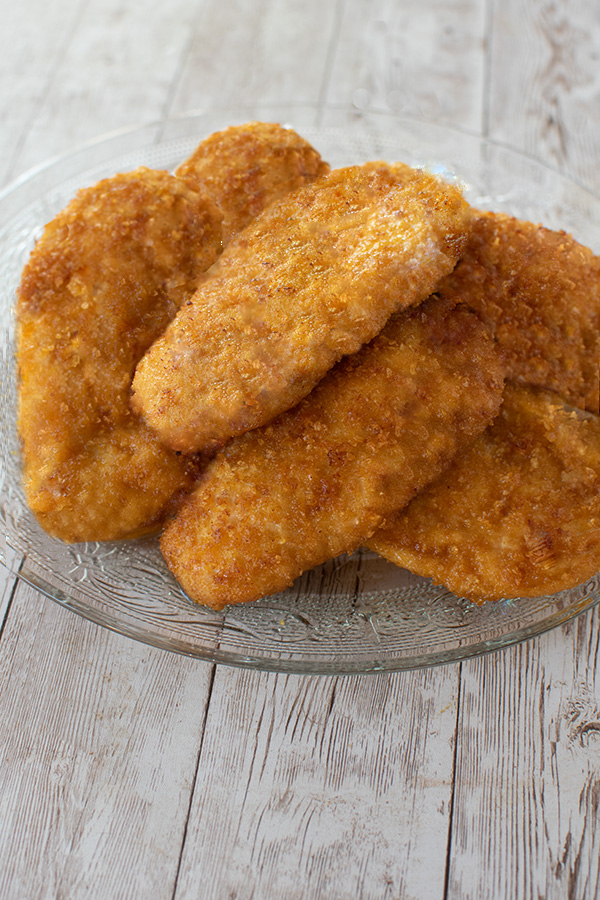
And they're kid-friendly-they can easily become turkey fingers by slicing the breast into strips or nugget sizes before coating and frying. And they're great with French fries!
They're also simple and quick to prepare, with only 4 main ingredients, making them a perfect, family-friendly dinner on busy weeknights.
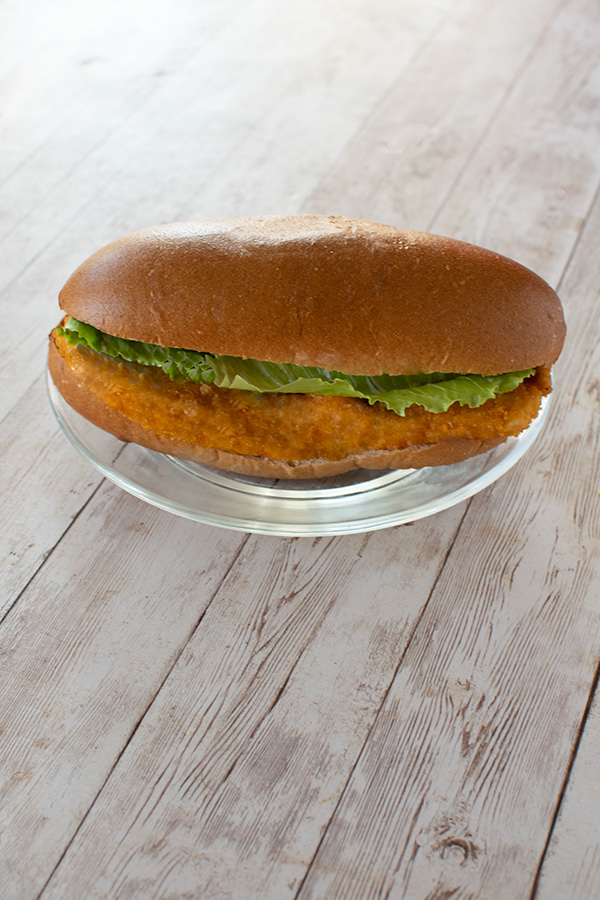
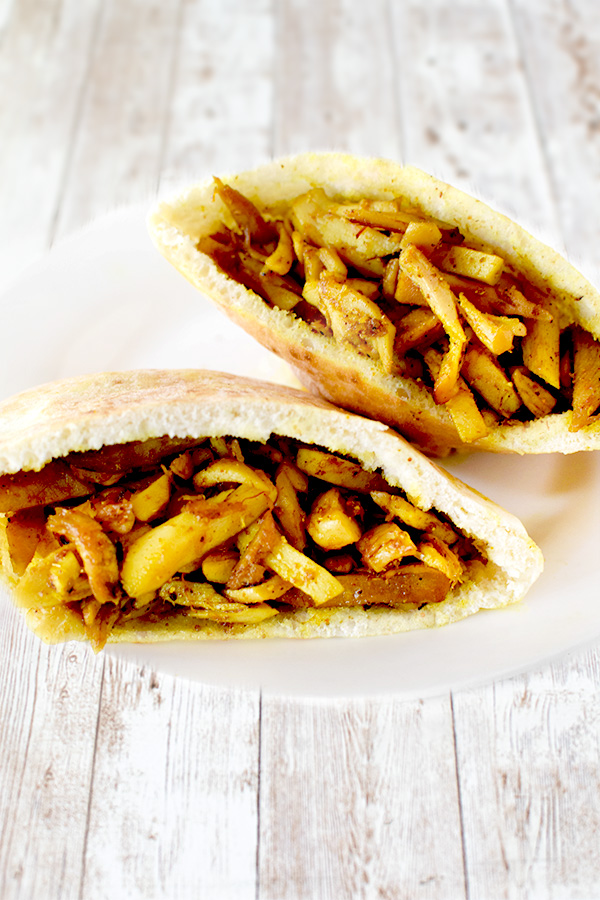
Plus, they're versatile, so you can enjoy them plain, with ketchup, or with your favorite dipping sauce, or have them on a plate with sides, tuck them into a pita with fillers, or have them with lettuce on a roll.
So, what is a schnitzel?
The word "schnitzel" comes from German, meaning "cutlet," and is prepared from fried or baked tenderized slices of meat coated with egg and flour or breadcrumbs.
The story goes that schnitzel was brought to the Austro-Hungarian Empire from Italy in the middle of the 19th century.
Ever heard of the term "Wiener schnitzel" (the "w" being pronounced like a "v")? Well, apparently, the schnitzel dish of veal coated in breadcrumbs and fried in butter or lard was named after the Austrian city of Vienna somewhere around the turn of the 20th century, and the wienerschnitzel was born!
Then, like today, the dish was often served with fries or mashed potatoes.
Before coating, the meat is either tenderized-using a meat-tenderizing hammer-or just cut into thin slices.
Today, this original dish is prepared and served throughout the world in a variety of ways, using veal, lamb, beef, pork, turkey, or chicken, and may be known by different names (such as breaded veal cutlet, breaded pork chop, or chicken-fried steak).
Or make a sandwich!
Some useful cooking terms:
What does it mean when recipes say "to taste" about an ingredient?
When recipes say "to taste," it means that you can put in as little or as much as you like to your own taste. Some recipes have many ingredients that a cook can adjust to their own taste when cooking (not so much when baking, though).
The best way to calculate what your taste is with a recipe that you are not yet familiar with is to first taste the dish and then add the "to taste" ingredient GRADUALLY, a little at a time-a splash of this or a pinch of that-until the dish is just the way you like it.
Make sure to stir the ingredient after each time you add it so that the flavor will distribute evenly and become part of the dish. Then taste again. Repeat until you reach your personal preference.
Note: If you plan on using the recipe again, it is highly recommended to make a note of what and how much you added so that you can refer to it next time.
What does it mean when a recipe says that an ingredient is "optional"?
If an ingredient is "optional," it means that you can add it in or not based on your own preference. An optional ingredient can be flavor-related (i.e., salty, sweet, spicy, etc.), appearance-related (garnish), or even something like nuts or chocolate chips in baking.
What does "savory" mean?
"Savory" refers to foods that are not sweet, such as foods that taste salty, spicy, or herbal.
What does it mean to....?
Sauté: Cooking quickly in a small amount of oil or fat in a frying pan on a relatively high heat that causes a slight browning of the food on the outside.
Sear: Browning the outside of meat at a high temperature.
Sweat: Cooking vegetables (often onions) in a little oil or fat on a low heat until they become soft and translucent (no browning).
Simmer: Heating liquid to just below the boiling point (has slow bubbles).
Boil: Cooking food submerged in water hot enough to have rapid, rolling bubbles.
Poach: Cooking in a liquid, or partially submerged, on low heat.
Roast: Cooking with consistent dry heat in an enclosed space, over 400 degrees Fahrenheit.
Bake: Cooking with dry heat in an enclosed space, under 400 degrees Fahrenheit.
Broil: Cooking with intense heat from above.
Grill: Cooking with heat from below, typically over a flame or coals.
Braise: Cooking already-seared meat in a small amount of liquid in a covered pot.
Blanch: Quickly submerging food into boiling water and then immediately into ice water to stop the cooking.
Steam: Cooking with vapor from hot simmering water from below.
Shred: Creating long, thin strips (not necessarily uniform) of vegetables, like in coleslaw.
Grate: Scraping food against a surface with rough, tiny holes that break it down into very small, fine pieces.
Zest: The scrapings of the colorful outer skin of a citrus fruit.
Mince: Cutting into the smallest pieces possible.
Dice: Cutting into small cubes.
Chop: Cutting into small (bite-size) pieces.
Julienne: Cutting into long, thin strips (like matchsticks).
Glaze: a thin liquid with high-sugar or high-fat coating applied to food or baked goods that gives a shiny look and adds flavor.
Fold in: To gently combine a light ingredient into a heavier one.
Al dente: Cooking rice or pasta to the point before it gets soft (is slightly firm).
Emulsify: Forcing two liquids together that don't normally combine (like oil and vinegar) into a smooth sauce or dressing.
Deglaze: Adding a liquid to a hot pan after searing meat to loosen the browned bits (called fond) that got stuck.
Slurry: A mixture of liquid and dry starch, such as cornstarch or potato starch, into a paste that is used to thicken sauces and soups. One can use flour to make a slurry as well.
Roux (pronounced "roo"): is a cooked mixture of fat and flour.
Frequently Asked Questions (FAQs)
How do I get the cornflake crumbs to stick to the turkey without buttermilk?
This recipe calls for egg to help the crushed cornflakes adhere tightly to the turkey cutlets before frying or baking.
Should I use fine or coarse cornflake crumbs?
It depends on your preference.
You can grind or crush the cornflakes into large crumbs for a super crunchy, rustic texture, or you can blend them into a finer, powdery consistency if you prefer an even, uniform coating similar to traditional breadcrumbs.
Can I turn these cutlets into turkey nuggets or tenders?
Yes. You can easily slice the turkey cutlets into strips or bite-sized nuggets before dipping and coating them in the cornflakes. Just adjust your cooking time slightly since smaller pieces cook faster.
Are these cornflake-crusted turkey cutlets dairy-free?
Yes. This recipe is naturally dairy-free, as they are made without buttermilk.
What is needed to make easy cornflake-crusted turkey cutlets?
Even if you don't want to keep a pantry full of just-in-case ingredients, these are all you need to have on hand to make this recipe!
raw boneless turkey breast
egg
flour
Cornflakes
oil for frying
Love turkey dishes?
Easy Cornflake-Crusted Turkey Cutlets Recipe
Delicious, easy, and crispy cornflake-coated turkey cutlets, dairy-free.
Ingredients
- 24 ounces raw boneless turkey breast sliced into cutlets (weight is just a suggestion)
- 1 egg, beaten
- 1 cup of ground Cornflakes
- oil for frying
Instructions
- Place the ground Cornflakes in a bowl. Then, place the beaten eggs in another bowl (make sure both bowls are large enough to easily accommodate the raw turkey slices).
- Pour oil into a frying pan so it reaches approximately ⅛ - ¼ inch high and heat on medium. (You will know it's hot enough when you can toss a little bit of Cornflakes in and it sizzles.)
- Take a piece of the raw turkey and dip in the egg, coating well. Let the excess egg drip off a bit and then coat well with Cornflakes on both sides.
- Gently place in the hot oil.
- Repeat with the remaining cutlets. Make sure to leave a little room between the pieces.
- Fry on one side until golden brown, then gently turn and fry on the other.
- Remove from oil and place on paper towel lined plate too absorb excess oil and cool.
Nutrition Information:
Yield:
4Serving Size:
1Amount Per Serving: Calories: 335Total Fat: 11gSaturated Fat: 2gTrans Fat: 0gUnsaturated Fat: 7gCholesterol: 173mgSodium: 242mgCarbohydrates: 10gFiber: 0gSugar: 1gProtein: 49g