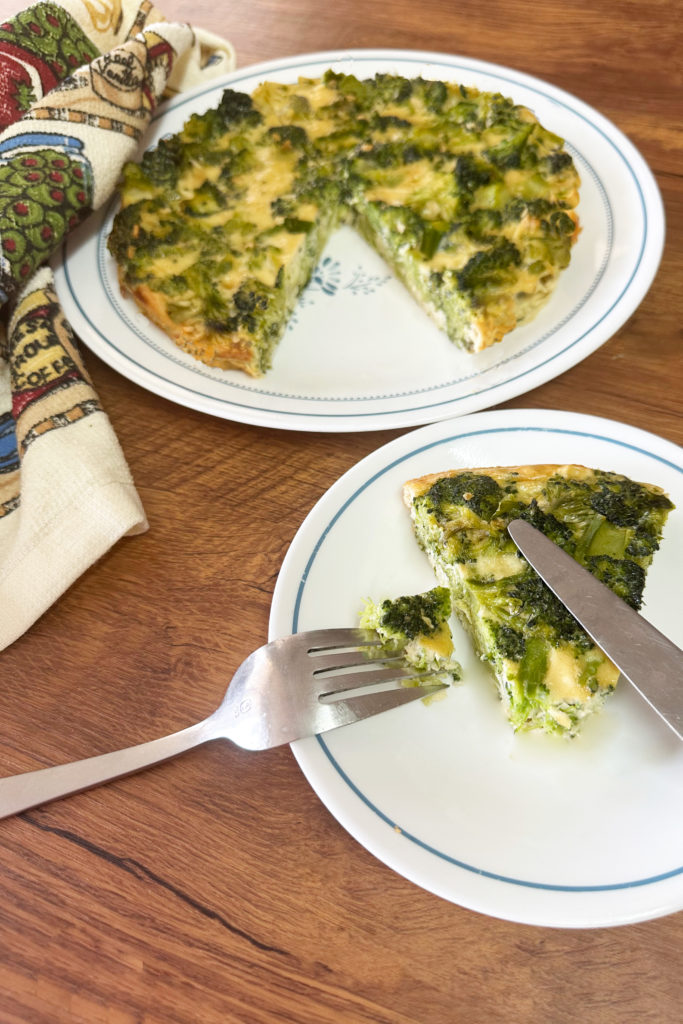
Dairy-Free Broccoli Kugel for Passover is an amazingly flavorful, savory broccoli casserole dish.
It’s a quick, mix-and-bake recipe with only 4- ingredients!
And it’s budget-friendly!
Beside being kosher for Passover, it’s also dairy-free, and vegetarian.
And, because it’s parve, it’s a perfect side dish to any meat or dairy table during the week of the holiday!
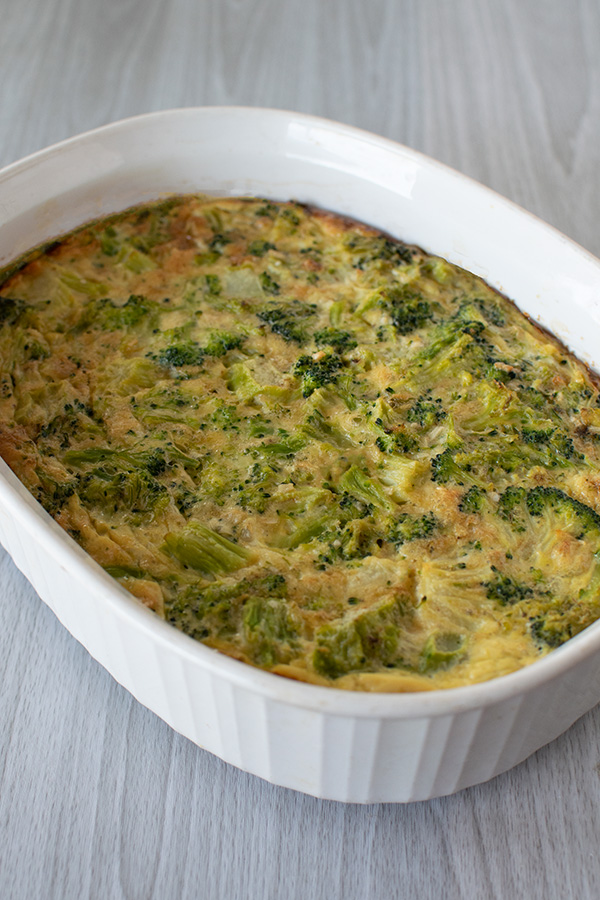
This cauliflower kugel is a parve, kosher for Passover, light meal or side at any table (meat or dairy) during the holiday.
It’s also perfect for anyone looking for dairy-free and vegetarian dishes!
It’s a great dish to have at home or to bring to that family get-together!
Also, since it contains matzo meal, it can be eaten even on the day of the seder when everyone is busy with last minute preparations!
Eating on the day of the seder
Jews who keep the laws of Passover do not eat matzo or any foods that contain anything from matzo (such as matzo meal or matzo cake meal) the entire day before the seder, which is in the evening.
Some people even have the custom of not eating such foods for two weeks before, beginning on Rosh Chodesh Nissan or even as far back as Purim, which is a month before.
Food on Passover
Torah-observant Jews do not eat chametz (the fermented products of five grains: wheat, spelt, barley, oats, and rye).
In addition, Torah-observant Ashkenazi Jews do not eat kitniyot (or kitniyos as pronounced in Ashkenazi Hebrew). These include legumes, corn, rice, and similar foods that were deemed forbidden to eat by rabbis in the medieval period and are still not eaten today. Sephardi and Mizrachi Jews do not follow this tradition.
Many observant Ashkenazi Jews will not even eat the derivatives of these kitniyot, while others do (each family holds their own traditions regarding this).
Then, there are Ashkenazim who don’t eat “gebrokts” (or gebrochts).
Gebrokts (gebrochts) means “broken” in Yiddish, and in this case refers to matzo that has absorbed liquid. Not eating gebrokts is observed by many in the Hasidic Jewish community and Ashkenazim who have taken on this tradition, where they basically don’t mix anything wet with matzo.
So, things like matzo sandwiches, fried matzo, and even matzo balls are a no-no for them.
There is a joke that sums it all up:
On Passover, we should remember people who have little to eat on this holiday. They are called Ashkenazim.
Over the years, I have learned to adapt “normal” food for Passover so that my family won’t complain about boring, tasteless, or repetitive meals.
I find that having good food and variety makes the week of Passover a very pleasant experience, and I hope this recipe will help make yours just that!
If you want to try another delicious kugel, try Potato Kugel for Passover!
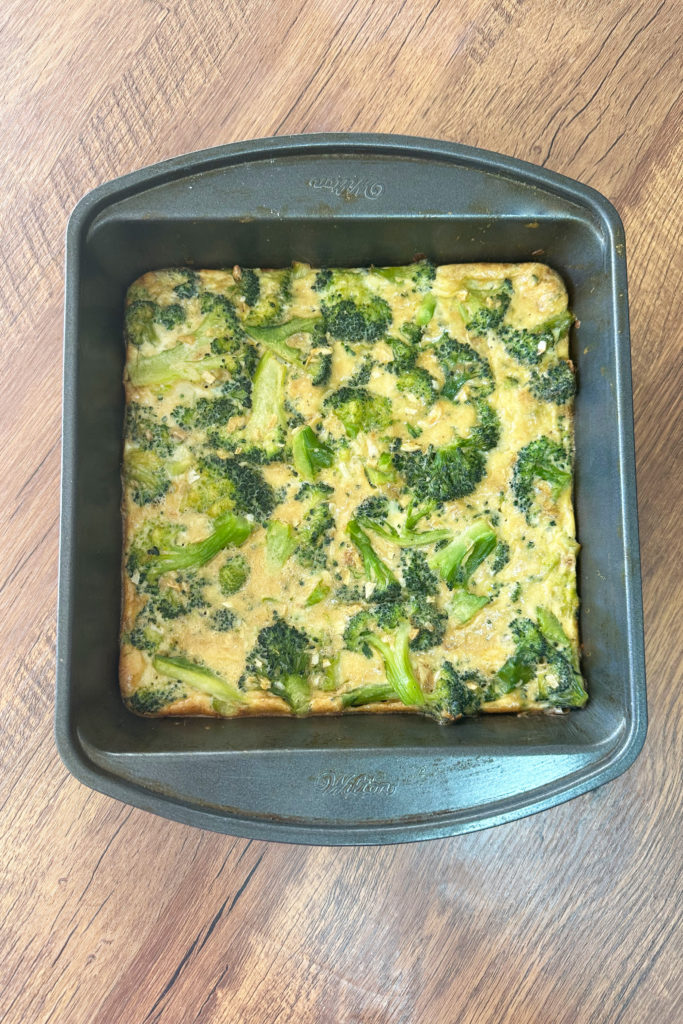
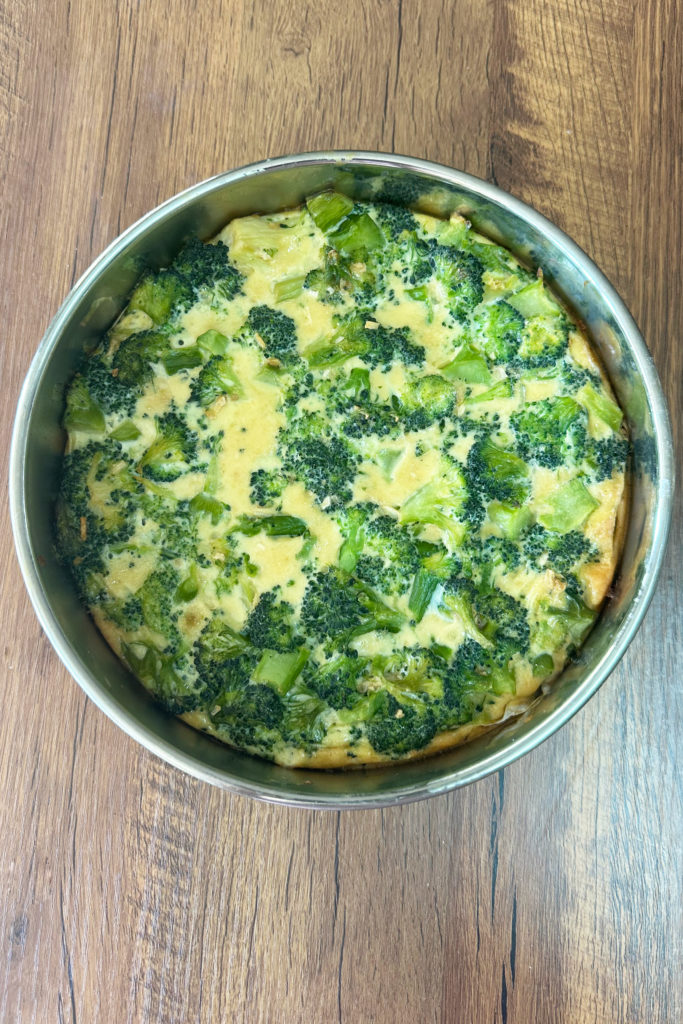
Or whatever suitable size pan or baking dish you like.
What does it mean when recipes say “to taste” about an ingredient?
When recipes say “to taste,” it means that you can put in as little or as much as you like to your own taste. Some recipes have many ingredients that a cook can adjust to their own taste when cooking (not so much when baking though).
The best way to calculate what your taste is with a recipe that you are not yet familiar with is to first taste the dish and then add the “to taste” ingredient GRADUALLY, a little at a time—a splash of this or a pinch of that—until the dish is just the way you like it.
Make sure to stir the ingredient after each time you add it so that the flavor will distribute evenly and become part of the dish. Then taste again. Repeat until you reach your personal preference.
Note: If you plan on using the recipe again, it is highly recommended to make a note of what and how much you added so that you can refer to it next time.
What does “savory” mean?
“Savory” refers to foods that are not sweet, such as foods that taste salty, spicy, or herbal.
A Little About Broccoli
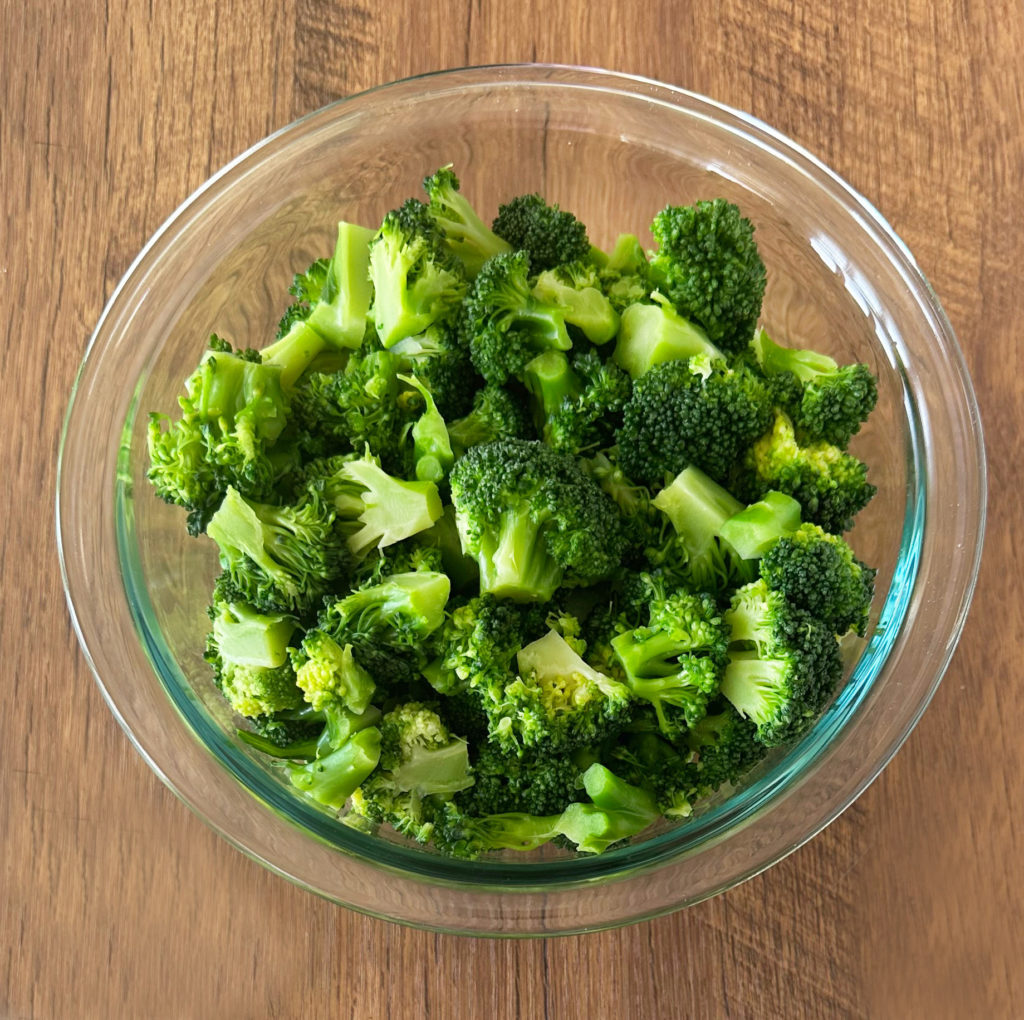
Broccoli is part of a group called “cole” crops, which also includes Brussels sprouts, cabbage, kale, and collard greens.
It began growing in the Mediterranean over 1500 years ago and was grown in the Roman Empire. By the 18th century, it had spread throughout Europe and was brought to North America by Italian immigrants sometime in the 19th century.
Broccoli is considered to be a healthy vegetable. It contains vitamins, nutrients, and fiber, and it is low in calories!
A little about eggs
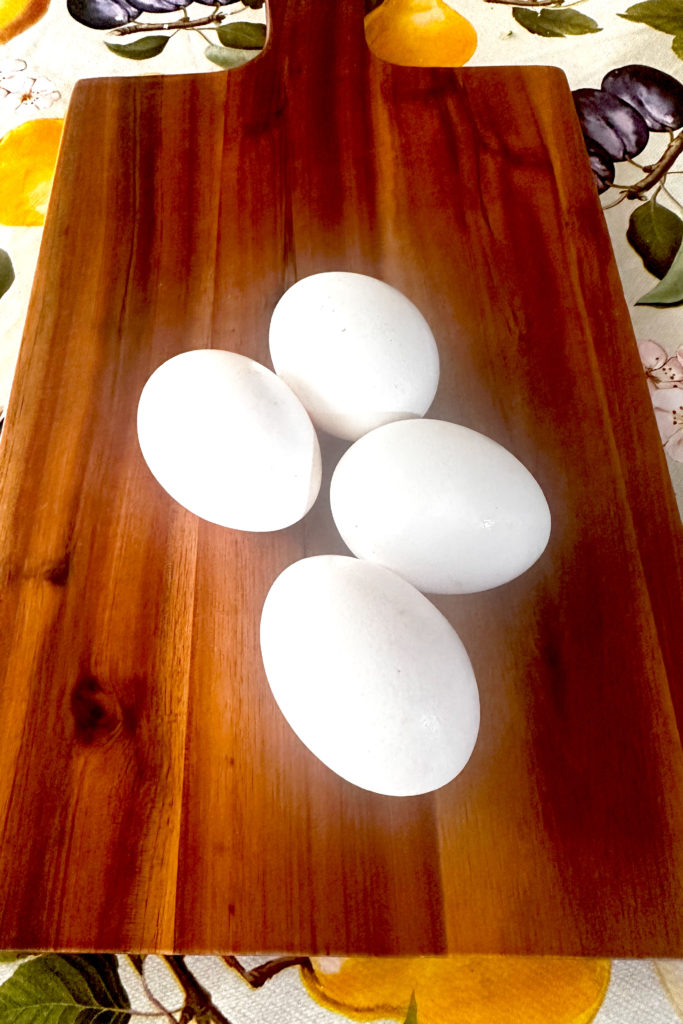
For many years eggs were considered a source of high cholesterol and a possible cause of heart disease, and people were warned against them and recommended to have only a few per week in their diets.
It is true that one large egg yolk has 200 mg of cholesterol. However, the additional nutrients that eggs contain may actually help LOWER the risk of heart disease by raising the “good” cholesterol in one’s body.
Eggs are high in protein and filling but low in calories. They have nutritional value and contain a large variety of vitamins as well as some antioxidants.
The color of the yolk depends on the diet of the hen, and different types of chickens may lay different colored eggs; white or brownish.
Egg white consists primarily of approximately 90 percent water and contains almost no fat or carbohydrates.
The yolk of a new egg is firm, but then it absorbs water from the egg white, which causes it to increase in size and become loose.
You may be surprised to know that raw egg white is sometimes used in the preparation of vaccines.
Many people believe that since eggs are found in the refrigerated section of the supermarket, and very frequently near the dairy section, they are also dairy.
Nonetheless, eggs are NOT DAIRY. You CANNOT milk a chicken!
Dairy-Free Broccoli Kugel for Passover
Easy, dairy-free, and vegetarian Broccoli Kugel with a delicious savory flavor!
Ingredients
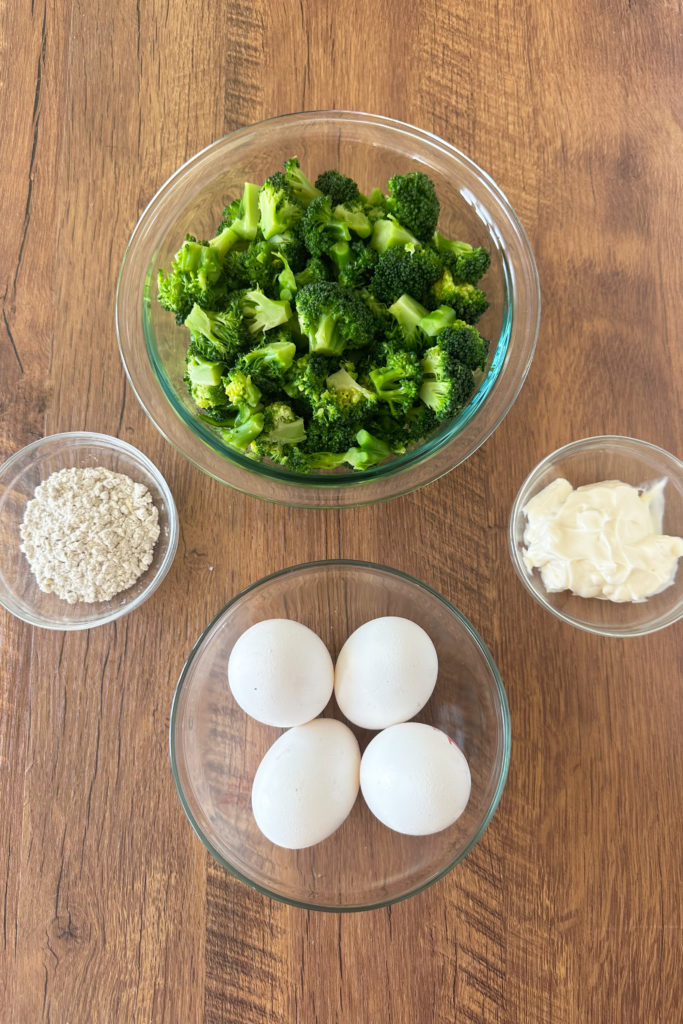
- 4 cups frozen chopped broccoli (or fresh chopped broccoli, steamed)
- 4 eggs, beaten
- 2-3 tablespoons onion soup mix, kosher for Passover,
- ¼ cup mayonnaise, kosher for Passover
Instructions
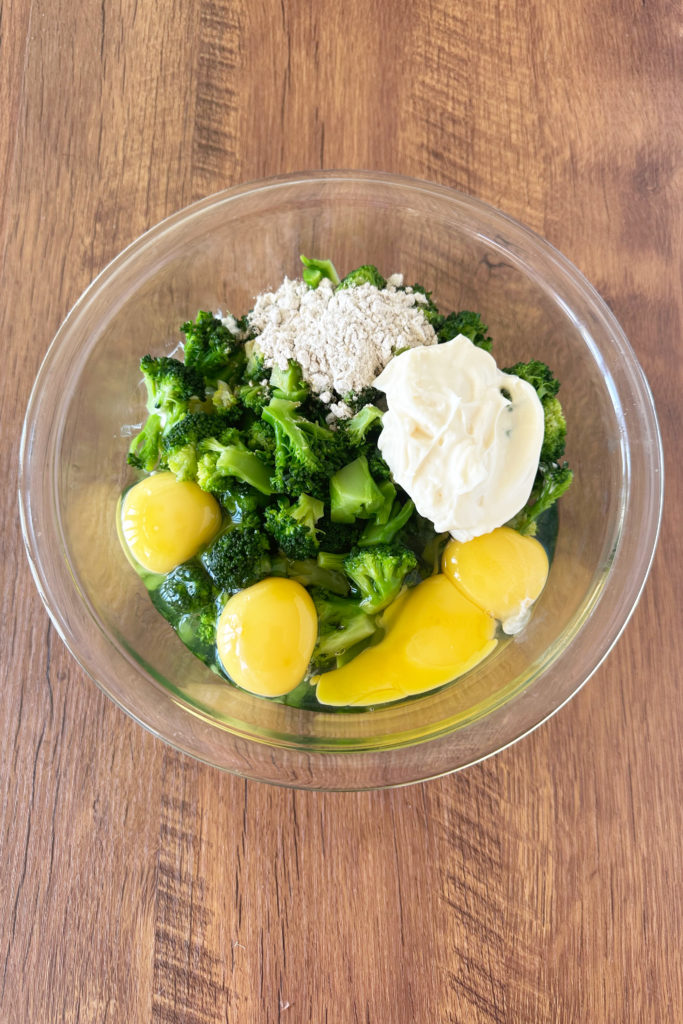
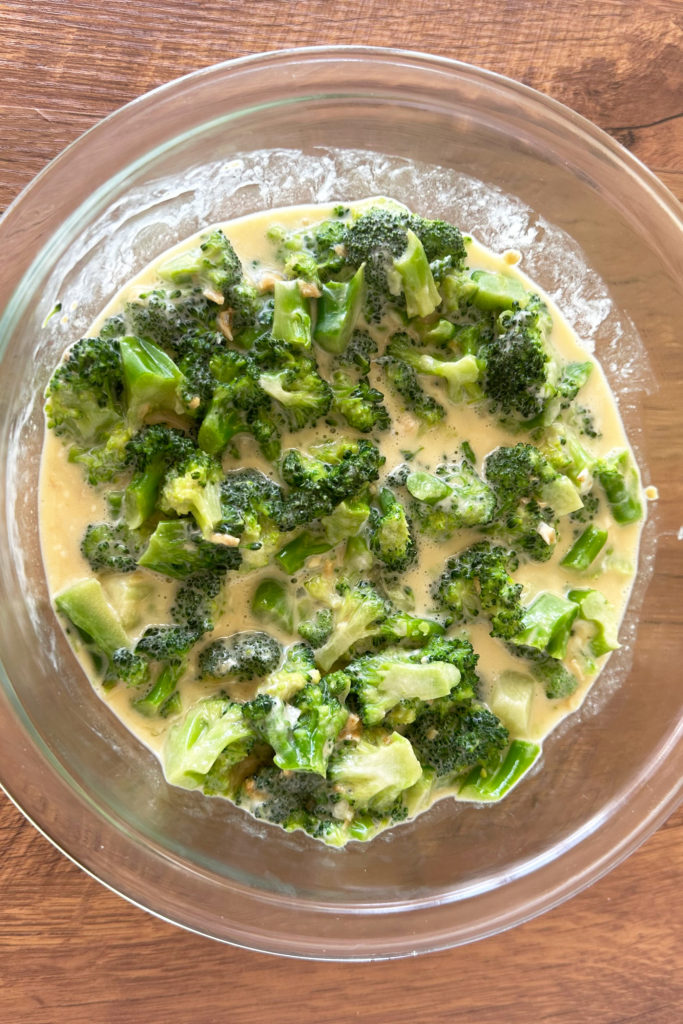
- Mix broccoli, eggs, onion soup mix, and mayonnaise in a bowl.
- Pour into a baking pan (any shape as long as it fits with a little room on top).
- Place in oven that has been pre-heated to 350° and bake for 30-40 minutes or until the top has begun to brown a bit and is firm.
Notes
MAKE SURE INGREDIENTS ARE KOSHER FOR PASSOVER.
Nutrition Information:
Yield:
9Serving Size:
1Amount Per Serving: Calories: 111Total Fat: 7gSaturated Fat: 1gTrans Fat: 0gUnsaturated Fat: 5gCholesterol: 85mgSodium: 478mgCarbohydrates: 8gFiber: 3gSugar: 1gProtein: 5g
Eva Goldman
Wednesday 15th of March 2023
What is the pan size? Thank you
Lori
Thursday 16th of March 2023
In general a 9"x13" or a similar casserole dish. Honestly, you can use any casserole dish or pan, but the smaller the base, the higher the kugel and visa versa, and watch the cooking times (the lower the kugel, the quicker it should bake). Enjoy!