Easy Homemade Chicken Shawarma is a simple, budget-friendly recipe to bring the flavor of the popular street food to your table without leaving the house or paying for Middle Eastern takeout.
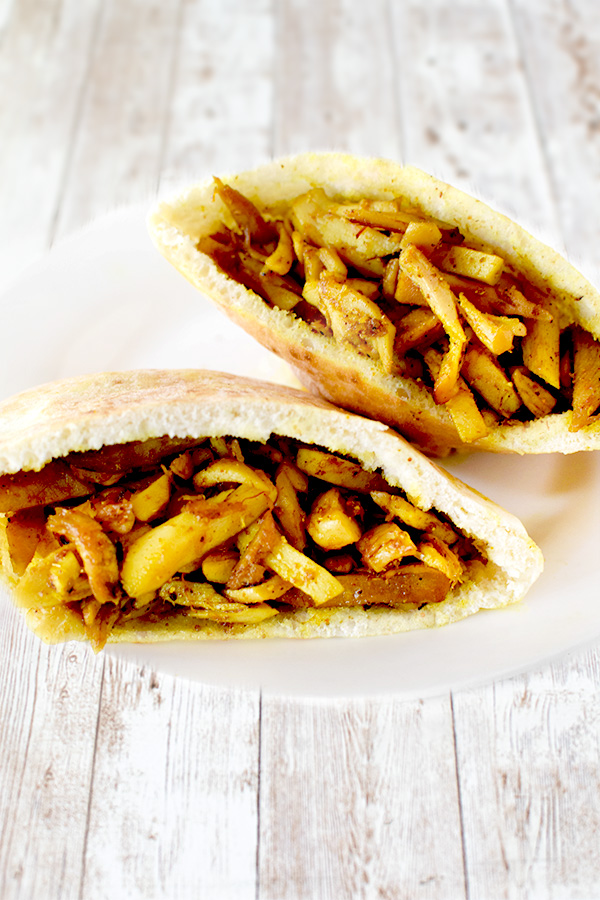
This shawarma recipe, inspired by the popular Middle Eastern street food, features tender chicken seasoned with warm, earthy cumin.
By cooking slices of dark chicken meat with a 5-ingredient homemade spice mix, you can create this flavorful meal in minutes.
While authentic shawarma right off the skewer in a fresh pita or lafa (Iraqi pita) is ideal, it isn't always easy to find nearby. Preparing it at home is a simple, budget-friendly solution that allows you to skip the takeout.
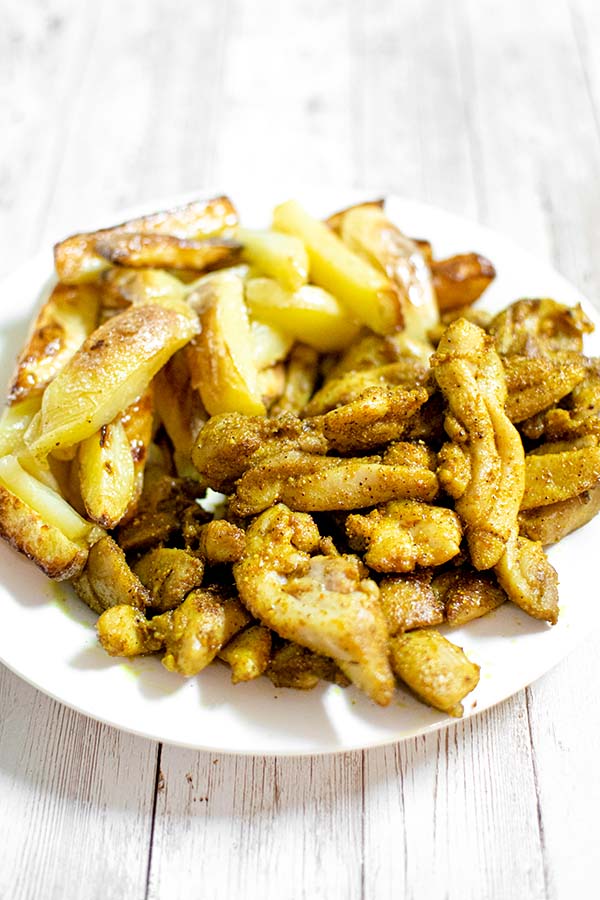
Serve it on a plate with sides like hummus, Israeli salad, pickles, and tahini, or pack it into a pita. It makes a quick savory dinner on busy weeknights or for lunch at work or school.
And this recipe is also a terrific way to use up leftover chicken.
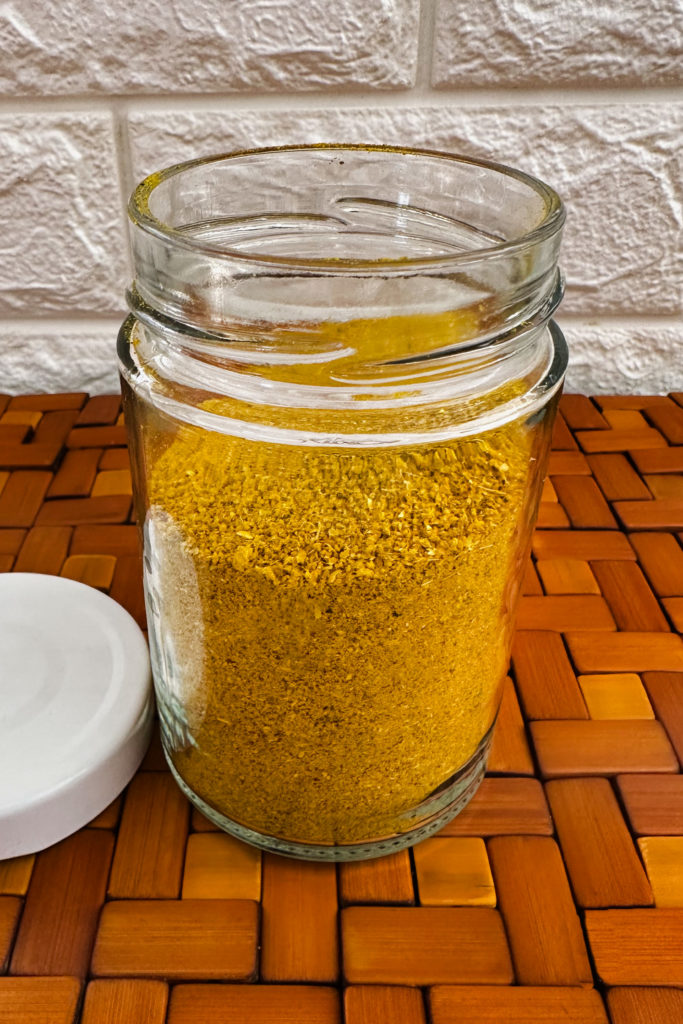
All you need is chicken, oil, and homemade shawarma seasoning.
A little about Shawarma
Shawarma is a Middle Eastern meat dish that is a popular street food.
Shawarma's origin is from the doner kebab from Turkey, whose modern cuisine developed from the Ottomans of the Ottoman Empire, who adopted and combined different traditional dishes of the countries they ruled.
The Greek version of a shawarma is a gyro, which will often include pork.
Both names (doner and gyro) indicated turning or spinning, and in fact, the name "shawarma" comes from the Turkish form of the Arabic word for "turn" or "spin."
Shawarma is made from different types of meat that can be used together to create it. These include lamb, turkey, chicken, and beef.
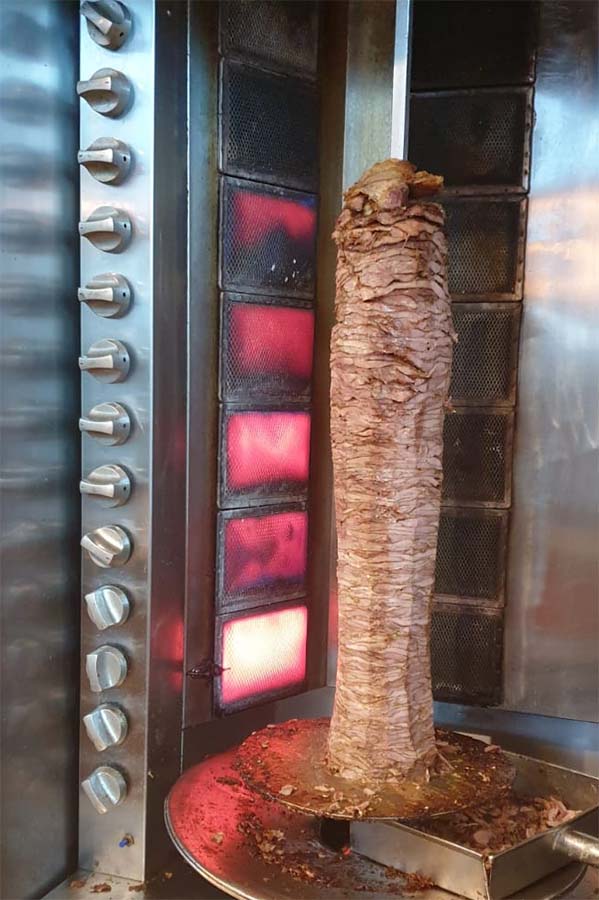
The different types of seasoned meat are sliced and skewered in tight layers on a vertical rotisserie or spit with layers of fat at the top. The skewer rotates vertically and slowly near a heat source, and the fat melts over the meat, giving the meat a wonderful flavor as it lightly roasts on the outside.
Shawarma is a popular street food in the Middle East. It seems that every country has its own traditional way of eating it.
In Israel, it will normally be served in a pita or in a laffa (an Iraqi flatbread that is part of Israeli cuisine) together with a variety of additions, such as tahini, hummus, babaganush (eggplant spread), pickles, Israeli salad (diced cucumbers and tomatoes), French fries, pickled cabbage, and more. Everyone just puts in what they like.
Tips for making chicken shawarma at home
- The shawarma can be put in the oven and baked until ready, but I like using a frying pan and stirring for more control.
- The dominant taste of shawarma seasoning is the cumin. Everyone seems to have their own taste as far as the seasoning is concerned, so feel free to add more of it (or just more cumin) if you like it that way.
- I use schmaltz instead of oil when I can to replicate the fat used on the rotisserie and add more while cooking if I feel the mixture is not greased enough, but oil is fine and to each his own (I personally don't eat the shawarma with the extra oil or fat, but my sons-who don't care about calories-like it that way).
- When chicken is used to make shawarma, it is the dark meat of the chicken that is used, and that is why chicken thigh fillets are called for. However, in a pinch, if you don't have chicken thigh (or if you don't like it), you can substitute strips from another part of the chicken.
- Feel free to use leftover chicken for this recipe-just make sure it is not too dry or the shawarma pieces may fall apart (yes, that did happen to me). It will still taste good but won't look as appetizing.
- While shawarma is a street food, many places serve it on a dish or platter with a pita on the side, so feel free to serve it however you like.
Frequently Asked Questions: Chicken Shawarma
1. Is it better to use chicken thighs or breasts?
Chicken thighs are highly recommended. Because they have a higher fat content, they stay juicy and tender during roasting, mimicking the texture of traditional spit-roasted meat. Chicken breasts can be used, but watch your cook time closely as they dry out much faster.
2. What should I serve with chicken shawarma?
Classic pairings include fresh pita or lafa (Iraqi pita), tahini sauce, sliced cucumbers, pickled red cabbage, tomatoes, Israeli salad, fried eggplant, hummus, matbucha, pickles, etc.
3. Can I freeze this chicken after it is cooked?
Yes. Allow the cooked chicken to cool completely, then store it in a freezer-safe bag or air-tight container so there won't be freezer burn. It should keep for up to 2 months or so. When you are ready to eat, thaw it and reheat it in a skillet, oven, or air fryer.
4. Is this chicken shawarma recipe kosher?
Yes, as long as the chicken you use is kosher.
A little about Israeli cuisine
National cuisine is often just a mingling of food from a variety of cultures, often due to a change of ruling countries and a shifting of borders.
Turkish cuisine, for example, goes back to the Ottoman Empire and was a combination of several cultures under Ottoman rule.
When people move from country to country, they will take their cultures with them, and their descendants may adapt their traditional cuisine with that of their new home.
"Israeli cuisine" is basically Middle Eastern (as opposed to Eastern European food) that was brought to Israel by Jews when they fled or were expelled from Muslim countries and moved to Israel mostly after the declaration of the State of Israel (collectively known as Mizrahi Jews).
Recipes were passed from generation to generation, and although decades have passed, the foods are still known by the culture they came from, and everyone seems to have their own way of making them.
That said, there are many variations of pretty much any "Israeli" recipe because of background, custom, or even just taste. When choosing a recipe, one has to know what actually constitutes a main ingredient-what makes the dish what it is-and what is left up to individual taste.
What does it mean when recipes say "to taste" about an ingredient?
When recipes say "to taste," it means that you can put in as little or as much as you like to your own taste. Some recipes have many ingredients that a cook can adjust to their own taste when cooking (not so much when baking though).
The best way to calculate what your taste is with a recipe that you are not yet familiar with is to first taste the dish and then add the "to taste" ingredient GRADUALLY, a little at a time-a splash of this or a pinch of that-until the dish is just the way you like it. Make sure to stir the ingredient after each time you add it so that the flavor will distribute evenly and become part of the dish. Then taste again. Repeat until you reach your personal preference.
Note: If you plan on using the recipe again, it is highly recommended to make a note of what and how much you added so that you can refer to it next time.
Essential seasonings to keep in your cupboard:
- salt (my recipes use regular table salt)
- ground black or white pepper
- granulated garlic or garlic powder (I prefer granulated)
- onion powder
- sweet paprika and/or sweet pepper flakes (paprika is ground dried red pepper, whereas pepper flakes are crushed dried red pepper)
- hot paprika, hot pepper flakes, or cayenne pepper (moderately spicy dried ground chili pepper) for those occasional spicy dishes
- ground turmeric
- ground cumin
- ground cinnamon
- ground ginger
- ground nutmeg
- ground cloves (for pumpkin flavors)
- sugar (granulated)
- brown sugar
- chicken consommé powder / beef bouillon powder (regular or vegetarian)
- onion soup mix
- onion flakes (substitute for fresh onion-3 tablespoons for 1 medium onion).
- various herbs
- additional spices to adapt taste to preference
What is needed for this recipe?
I hardly ever meal plan, so I like to keep a cupboard full of seasonings, spices, veggies, and canned goods in my kitchen to use whenever the mood strikes.
But these are all you need to have on hand to make this recipe even last minute!
skinless, boneless chicken thigh
shawarma seasoning mix*
oil or fat
If you love Israeli street food, you've got to try the Sabich!
Try schmaltz (rendered chicken fat) for cooking shawarma.
Easy Homemade Chicken Shawarma Recipe
An easy recipe for delicious homemade shawarma using chicken and homemade shawarma spice!
Ingredients
- 1 pound skinless, boneless chicken thigh, sliced into small strips.
- 2 tablespoons Shawarma Spice Blend.
- oil or fat for frying (I like to use schmaltz)
Instructions
- Place the shawarma seasoning mix in a bowl, add the chicken strips and coat well.
- Grease a frying pan and heat.
- Place the strips in the frying pan and stir as it cooks. Add oil or fat as needed so it doesn't dry out.
- Cook for approximately 10 minutes or until turkey strips have cooked through.
Notes
1) Feel free to add as much spice as desired.
2) The shawarma meat that you would buy in an eatery has fat that melts as it cooks on the skewer, so I like to use fat. You can use as little as you want, but add if needed so the chicken doesn't dry out in the short time it takes to cook.
3) You can cook in the oven if you wish, but make sure not to let it dry out. You can do this in a pan or you can take a short skewer and stick it in a potato at a 90° angle, place your chicken on it, bake and then slice afterward. (I've seen this done, but I haven't yet tried it).
4) You can slice leftover dark chicken meat and use that as long as it's still tender and hasn't dried out. If you do this, then the cook time will be shorter and you need to be a little more careful so it doesn't dry out.
Nutrition Information:
Yield:
4Serving Size:
1Amount Per Serving: Calories: 695Total Fat: 65gSaturated Fat: 7gTrans Fat: 0gUnsaturated Fat: 56gCholesterol: 142mgSodium: 307mgCarbohydrates: 1gFiber: 0gSugar: 0gProtein: 29g