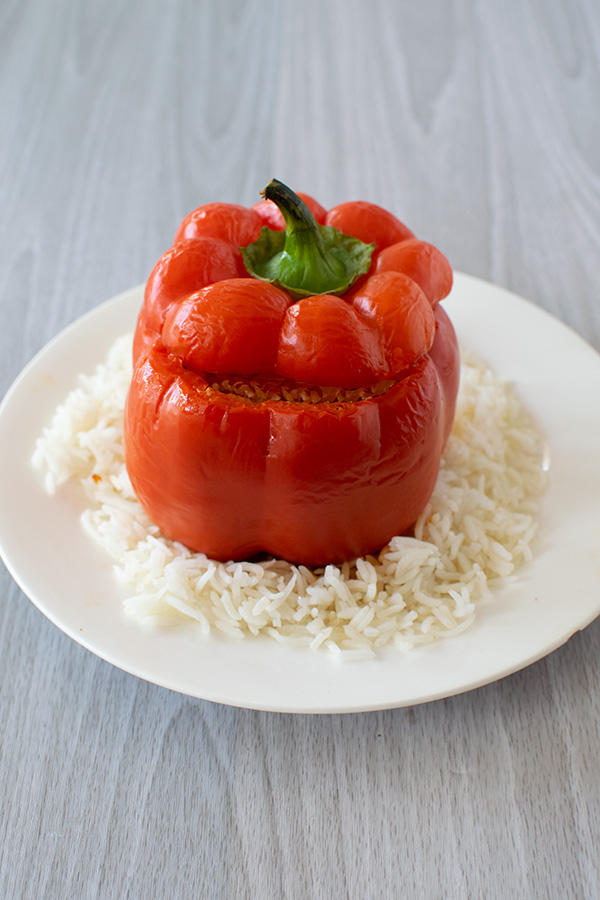
Easy vegetarian stuffed peppers are incredibly flavorful, satisfying, and made entirely with 6 simple pantry items, and you can use leftover rice.
About this recipe...
Packed with a savory rice filling, this budget-friendly dinner requires zero fancy ingredients and comes together with minimal effort. Just mix the rice filling, stuff the peppers, and pop them into the oven! Perfect for the busy person!
The secret to making these meatless stuffed peppers taste so rich and hearty is the combination of tomato paste and soy sauce, which creates an earthy and savory flavor that even non-vegans will love!
And since this recipe contains no dairy or meat, it's actually vegan!
Whether you are looking for a simple plant-based weeknight dinner or just a healthy, meatless meal option, this dish is a perfect solution.
Rice-stuffed peppers are incredibly meal-prep friendly-you can easily make them ahead of time and just bake them when you get home from work or school. They also pack beautifully to take with you for a quick, reheatable lunch the next day.
Some cooking terms
The following information may not particularly pertain to this recipe but rather answers general useful questions related to cooking.
What does it mean when recipes say "to taste" about an ingredient?
When recipes say "to taste," it means that you can put in as little or as much as you like to your own taste. Some recipes have many ingredients that a cook can adjust to their own taste when cooking (not so much when baking, though).
The best way to calculate what your taste is with a recipe that you are not yet familiar with is to first taste the dish and then add the "to taste" ingredient GRADUALLY, a little at a time-a splash of this or a pinch of that-until the dish is just the way you like it.
Make sure to stir the ingredient after each time you add it so that the flavor will distribute evenly and become part of the dish. Then taste again. Repeat until you reach your personal preference.
Note: If you plan on using the recipe again, it is highly recommended to make a note of what and how much you added so that you can refer to it next time.
What does it mean when a recipe says that an ingredient is "optional"?
If an ingredient is "optional," it means that you can add it in or not based on your own preference. An optional ingredient can be flavor-related (i.e., salty, sweet, spicy, etc.), appearance-related (garnish), or even something like nuts or chocolate chips in baking.
What does "savory" mean?
"Savory" refers to foods that are not sweet, such as foods that taste salty, spicy, or herbal.
What does it mean to sauté?
Cooking quickly in a small amount of oil or fat in a frying pan on a relatively high heat that causes a slight browning of the food on the outside.
What is chopping?
Cutting into small (bite-size) pieces.
A little information about bell peppers
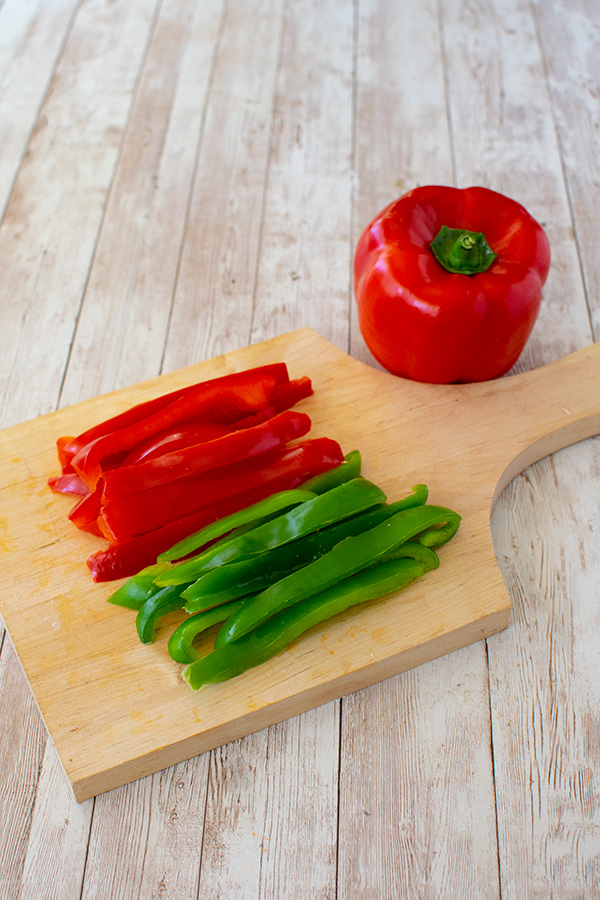
Bell peppers come in different colors, such as green, red, orange, yellow (the most common)...and, believe it or not, white, brown, striped, and purple.
Peppers are commonly used in foods and salads as side dishes, toppings, or-if you are like my son-a snack.
Peppers are native to Mexico, Central America, and South America. Spanish explorers brought pepper seeds back to Spain with them in 1943. From Spain, peppers spread from there to Europe and Asia.
Red peppers are actually ripened green peppers, and because they do so gradually, you may see peppers that are both green and red at the same time. Red peppers are sweeter in flavor than the green ones, which are more acidic and a little bitter. Red peppers can be used in the production of paprika.
"Permagreen" doesn't turn red but rather stays green even after it ripens.
Orange and yellow peppers are their own varieties and have a gentle, sweet taste.
Bell peppers contain almost no protein at all and are almost entirely made of water, with a small percentage of carbohydrates. They are rich in vitamins C, B6, K, A, and E as well as some minerals and antioxidants. The different colored peppers contain different vitamins and nutrients, and they are all very low in fat.
Bell peppers generally have a long life, especially if kept in refrigeration.
Frequently Asked Questions (FAQs) for Easy Ground Beef Stuffed Peppers
1. Can I make these ahead of time?
Yes, you can assemble the peppers up to 24 hours in advance. Store them in the refrigerator in an airtight container before baking. If you are baking them cold from the fridge, you may need to add 10-15 minutes to the total baking time to ensure they are heated through.
3. What is the best way to prevent the peppers from getting soggy?
To keep the peppers firm, avoid leaving them in the oven too long for the first step, or simply stuff raw peppers. Additionally, ensure your filling is not overly wet and liquidy before stuffing.
4. Can I use different types of bell peppers?
Absolutely. While red, yellow, and orange bell peppers are sweeter and hold their shape well, green bell peppers have a slightly more robust, bitter flavor profile that works excellently with savory fillings. You can mix and match colors for a vibrant presentation.
5. Can I top them with whatever I want to?
Yes. I have used the top of the pepper itself as well as sliced onion before I cook, but you can top them with whatever you like.
6. Can I freeze leftover vegetarian stuffed peppers? Yes, you can freeze vegetarian stuffed peppers in an airtight, freezer-safe container for up to 3 months. To reheat, thaw in the refrigerator overnight and bake in a preheated oven at 350°F (175°C) until heated through.
Keep in mind that the defrosted bell peppers will be softer than when freshly baked, so ensure the peppers are fully cooled before freezing to maintain the best possible texture.
What do you need to make this vegetarian stuffed pepper dish?
I hardly ever meal plan, so I like to keep a cupboard full of seasonings, spices, veggies, and canned goods in my kitchen to use whenever the mood strikes.
But these are all you need to have on hand to make this recipe even last minute!
bell peppers, any color
medium onions
cooked rice
granulated garlic
tomato paste
soy sauce
cooking oil
If you like vegetarian recipes, try these!
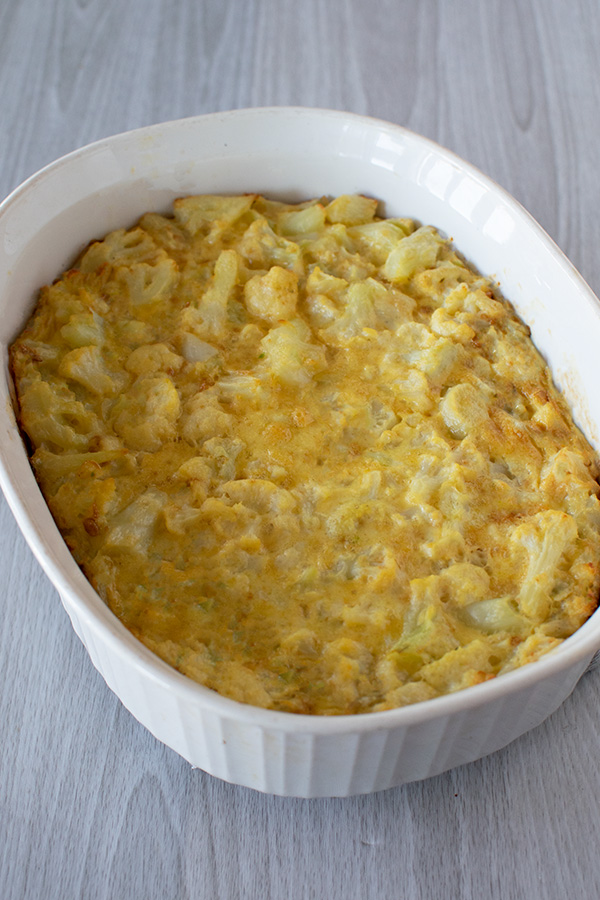
- Easy Vegetarian Crustless Cauliflower Quiche Recipe
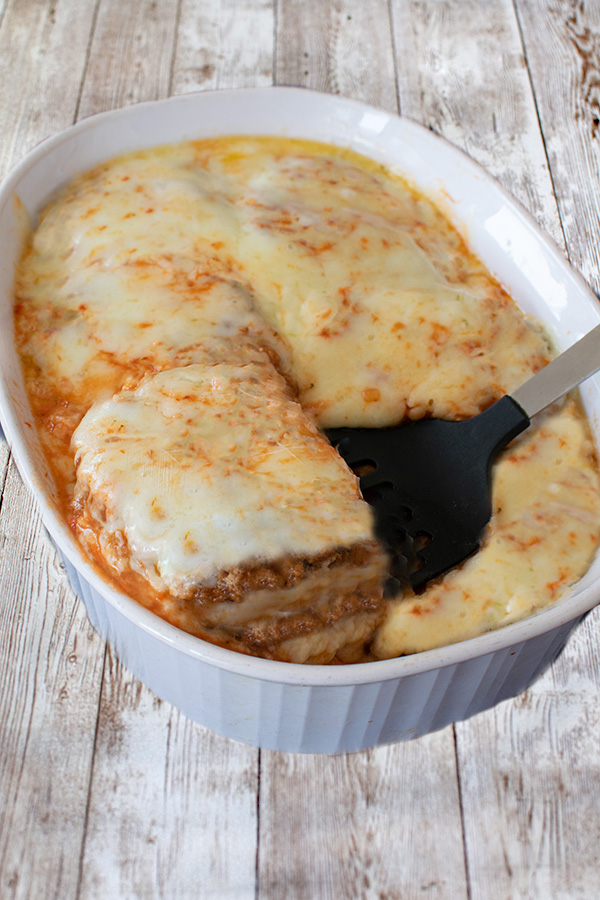
- Easy Vegetarian Zucchini Parmesan Recipe
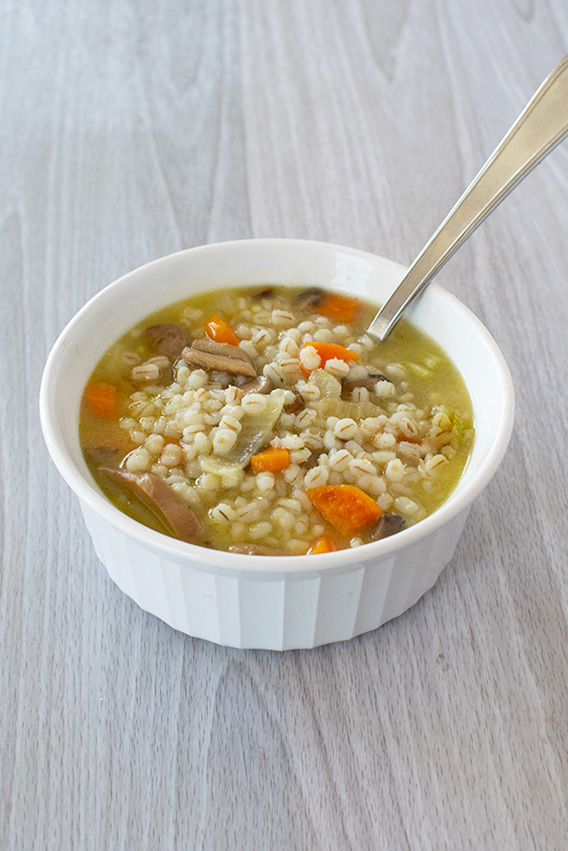
- Easy Vegetarian Mushroom Barley Soup Recipe
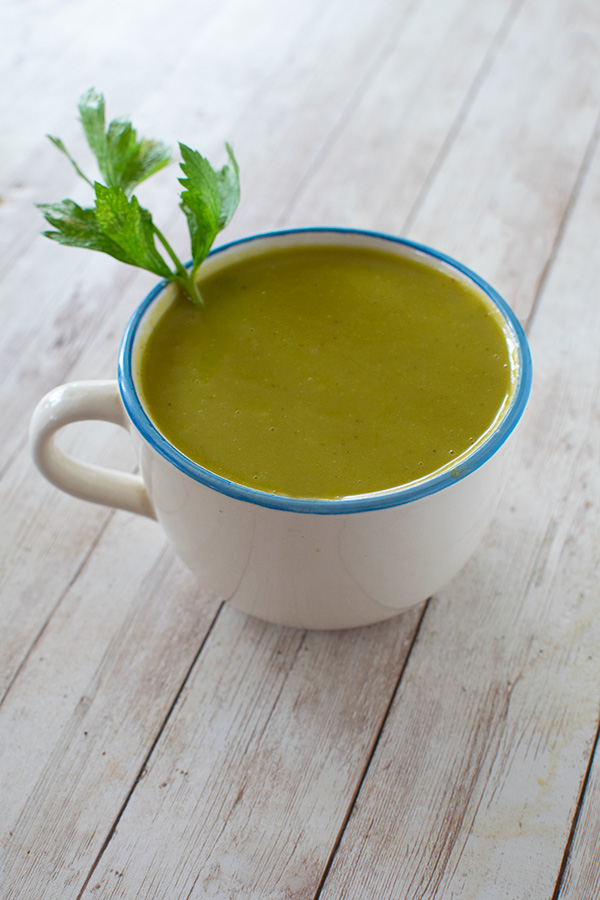
- Easy Vegetarian Split Pea Soup Recipe
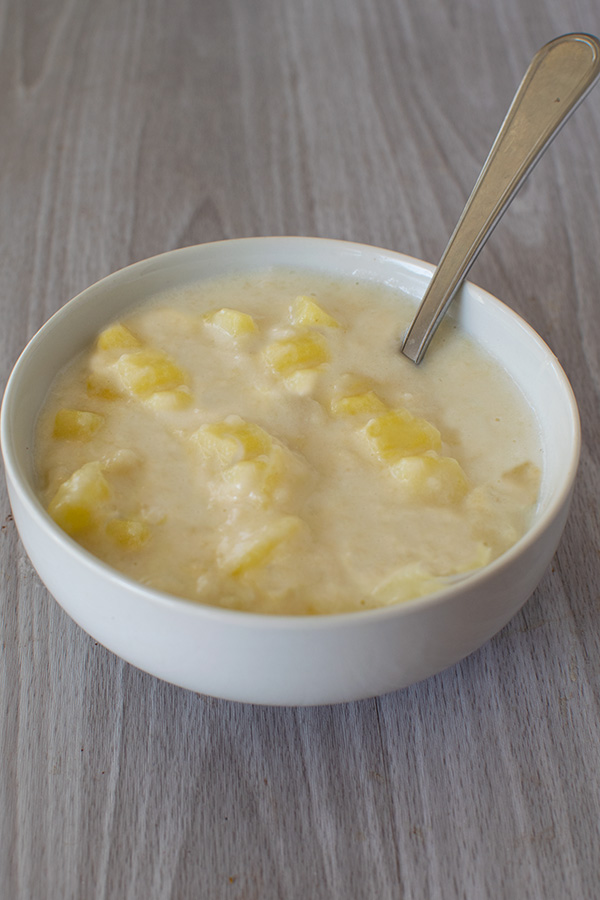
- Easy Creamy Vegetarian Potato Soup Recipe
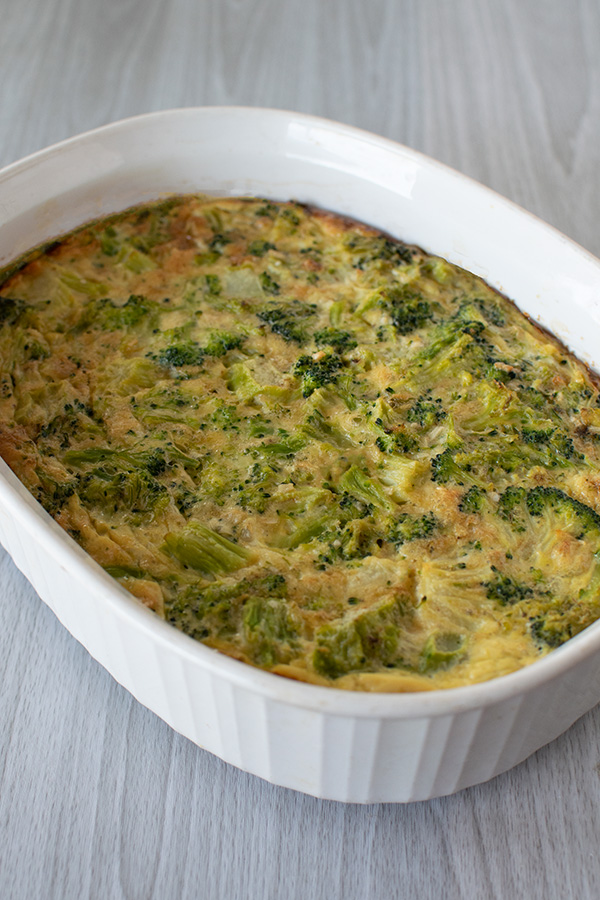
- Easy Vegetarian Crustless Broccoli Quiche Recipe
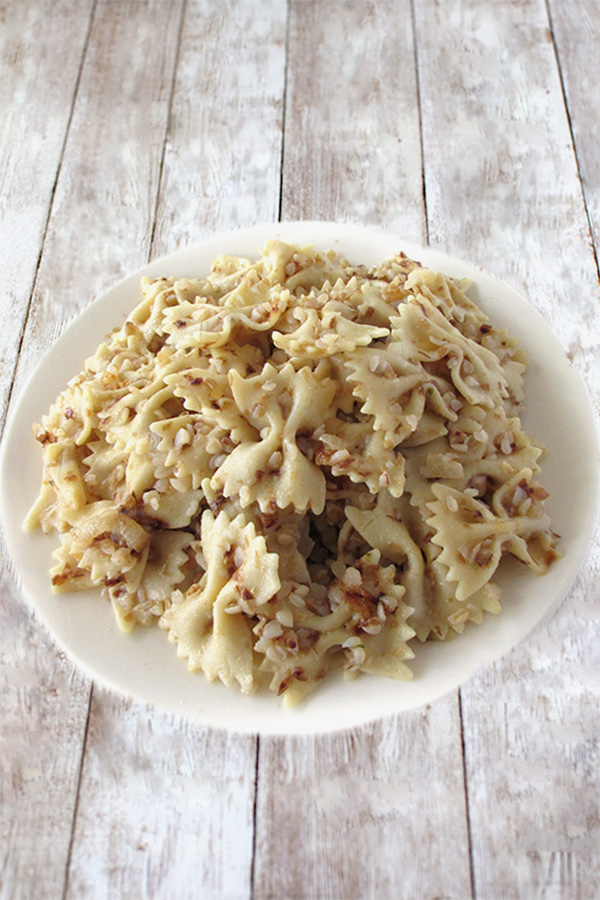
- Easy Classic Vegetarian Kasha Varnishkes Recipe
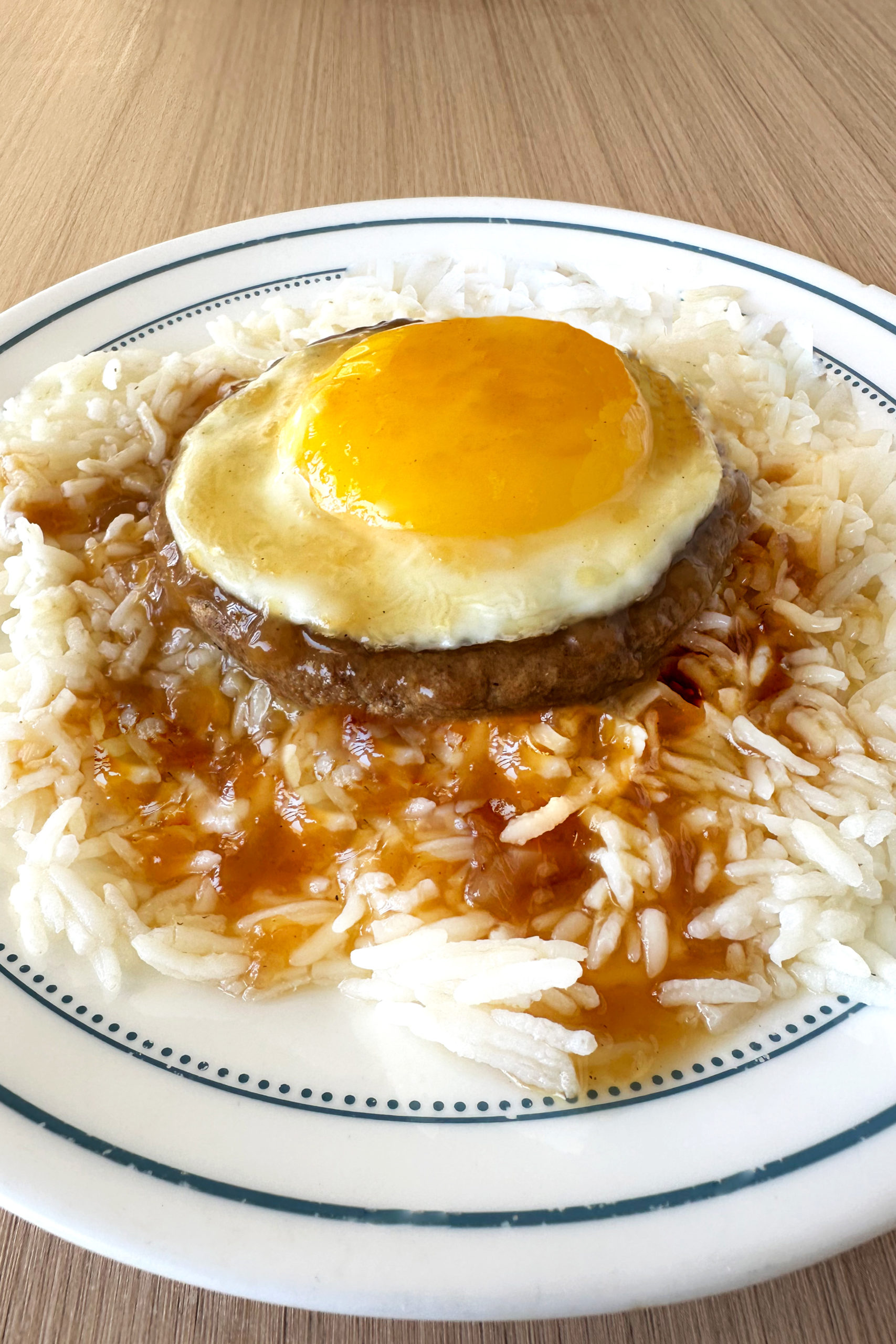
- Vegetarian Loco Moco
Prefer stuffed peppers with meat?
Try Meat-Stuffed Peppers!
Easy Vegetarian Stuffed Peppers Recipe
Red peppers stuffed with onions, rice, and flavor. Vegetarian, dairy-free, and vegan!
Ingredients
- 4 large bell peppers, any color, cleaned
- 2 medium-large onions (one of them is optional)
- 3 - 3 ½ cups cooked rice
- 1 teaspoon granulated garlic
- ¼ cup tomato paste
- soy sauce
- oil
Instructions
- Slice off the top of the peppers, just enough to level off the base.*
- Place the peppers upside down in a pan with a little water at the bottom and bake on 350° for around 10-15 minutes, just to soften up a little.
- While the peppers are in the oven, dice an onion and also the good part of the peppers from the top that you cut off (unless you want to put the pepper tops back on before cooking)* and lightly sauté on medium heat.
- Add the cooked rice, tomato paste, and a splash of soy sauce (or to taste) to the pan.
- Cook on medium heat, mixing occasionally, until everything is mixed well and hot.
- Remove peppers from the oven and fill them equally with the mixture from the pan.
- Then, either slice the second onion and put a slice on top of each of the peppers or put the top of the pepper back on (this whole step is optional).
- Bake at 350° for approximately ½ hour or until the peppers look soft or slightly brown (or the onion, if you placed one on top, is slightly brown).
Notes
* The sliced onion goes on top of the filling, but you can also leave it off and just put the pepper top back on. Or you can leave the top of the stuffed pepper with nothing on it. Alternately, you can slice a tomato and put that on top.
Nutrition Information:
Yield:
4Serving Size:
1Amount Per Serving: Calories: 641Total Fat: 5gSaturated Fat: 1gTrans Fat: 0gUnsaturated Fat: 4gCholesterol: 0mgSodium: 238mgCarbohydrates: 133gFiber: 4gSugar: 7gProtein: 14g