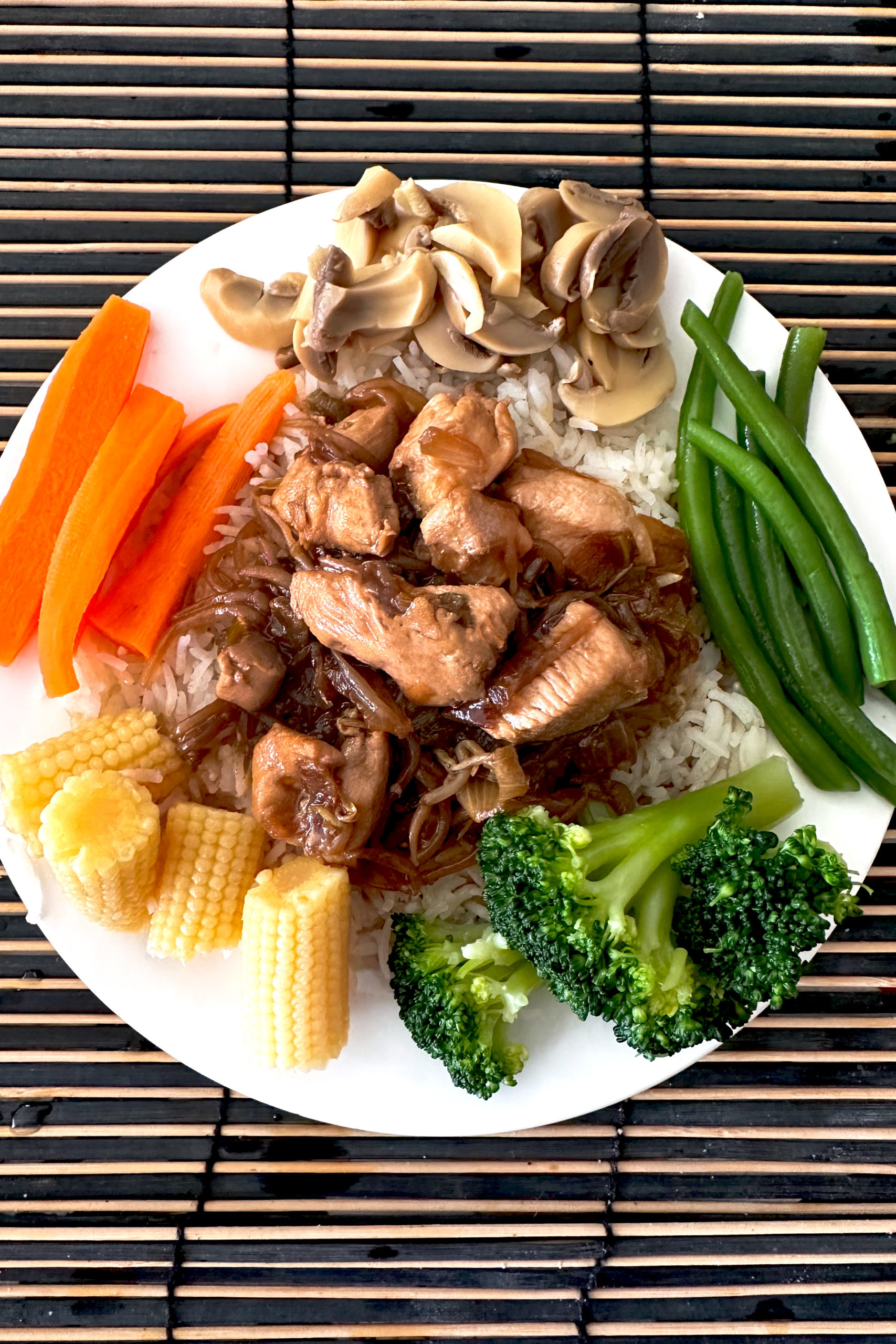
Easy Mongolian Chicken is a budget-friendly Chinese-American-style recipe of tender pieces of chicken breast in a flavorful, savory-sweet sauce, made without pork, dairy, or oyster sauce (so, no shellfish).
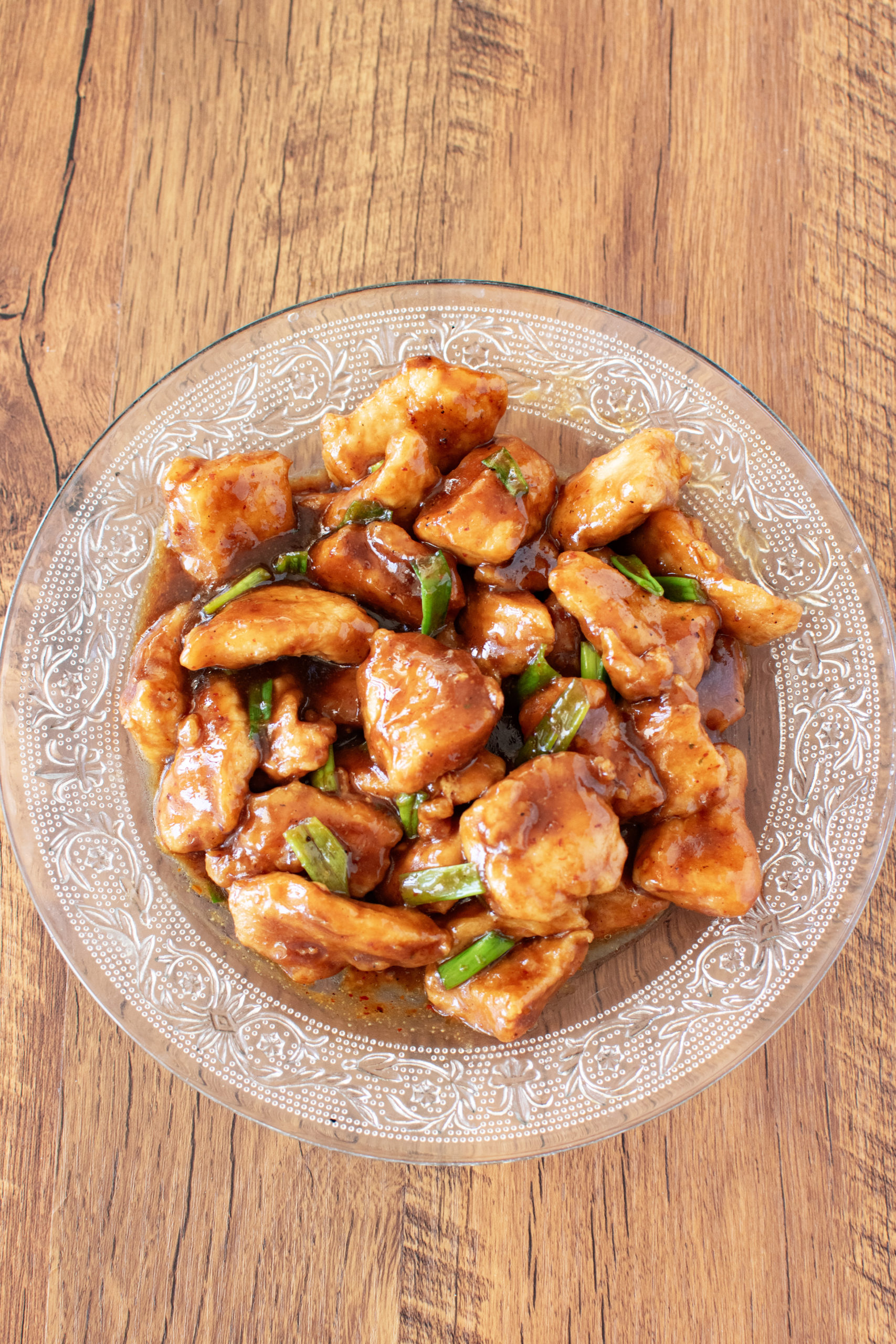
Chinese-American style chicken dinner!
Mongolian chicken is a delicious Chinese-American style dish and a quick, simple homemade dinner that takes less time than it normally takes for takeout delivery.
And this recipe is made without pork, dairy, or oyster sauce (no shellfish) in the ingredients, so it's perfect for people avoiding those ingredients. And it's kosher too!
Serve it plain, or enjoy it over rice for a more filling meal.
Also, chicken has health benefits!
What do you need to make this Mongolian chicken recipe?
I hardly ever meal plan, so I like to keep a cupboard full of seasonings, spices, veggies, and canned goods in my kitchen to use whenever the mood strikes.
And this is certainly true for Chinese-American homemade takeout recipes, and these are the ingredients you need to have on hand to make this recipe even last-minute!
For the chicken:
chicken breast
flour or corn starch
salt
green onions
black pepper (optional)
Oil for frying
For the sauce:
soy sauce
brown sugar
granulated or powdered garlic
ginger powder
chicken consommé powder
pepper flakes (optional)
sesame oil or cooking oil
A little about Chinese-American Food
Chinese-American cuisine is a style of Chinese cuisine that was developed by Chinese immigrants. These dishes significantly differ from traditional Chinese dishes because Chinese-American dishes were adapted to suit American tastes.
Chinese immigrants arrived in the United States in large numbers in the mid-19th century in order to escape the economic difficulties in China, hoping to find work during the California Gold Rush and on the Central Pacific Railroad.
They mostly settled together in ghettos, individually known as Chinatowns, and-since there were laws preventing them from owning their own land-they opened their own businesses, such as laundry services and restaurants.
Initially, the family-owned businesses catered to miners and railroad workers, and restaurants were set up in places where Chinese food was unknown. Food was based on the requests of the customers, and recipes were created to suit American tastes using whatever ingredients were available.
One major difference between traditional Chinese cuisine and Chinese-American cuisine is in the use of vegetables. Chinese-American recipes will use raw or uncooked ingredients and those not native to China. Traditional Chinese cuisine, on the other hand, rarely contains raw or uncooked ingredients and often uses Asian leaf vegetables.
While the new dishes were not traditional Chinese, these restaurants were responsible for the development of the ever-popular Chinese-American cuisine.
The little history of kosher Chinese-American Food
It is well known that Jews (especially those with ties to New York) love Chinese food.
Jews as a group were probably first introduced to Chinese food in the Lower East Side of Manhattan, where immigrants of various cultures settled in their own neighborhoods in the late 1800s and early 1900s.
By the early 1900s, approximately one million Jews from Eastern Europe and half a million Italians from Southern Italy shared the Lower East Side of Manhattan with only approximately 7,000 Cantonese Chinese, most of whom had moved from California after the gold rush.
Due to anti-Chinese laws and acts, which prevented them from competing with whites, many Chinese opened restaurants, first in California to serve the miners and then again when they moved to New York.
Many Jews who immigrated from Eastern Europe lived with the Chinese immigrants in the Lower East Side, and those who no longer kept the laws of kashrut (at least out of the house) would often go to the Chinese restaurants, which were open on Sundays.
But the Jews who still kept kosher had to wait for decades until Sol Bernstein, a creative deli owner, decided to create kosher Chinese dishes.
Using Cantonese Chinese recipes and substituting kosher veal, beef, and chicken livers for pork, he began selling the first kosher Chinese food in his deli (Schmulka Bernstein's, named after his father).
Sol continued to sell deli while he incorporated Chinese foods into the menu and did very well. The restaurant continued to prosper until he died in 1992, when it was sold.
Frequently Asked Questions (FAQs) about Easy Mongolian Chicken
1. Is this Mongolian chicken a stir-fry dish?
This recipe uses a pan-searing and coating technique that achieves the classic crispy texture of Mongolian-style dishes. It is a simplified, one-pan method that provides that signature "takeout" flavor without the complexity of traditional high-heat wok stir-frying.
2. What is the best part of the chicken to use?
Boneless, skinless chicken breasts or thighs are ideal. Slicing them into thin, uniform strips is essential for ensuring the meat cooks quickly and remains tender.
3. Can I adjust the level of spiciness?
Yes. The pepper flakes are optional, allowing you to control the spice level. You can reduce or omit them for a milder version or add more if you prefer a spicier dish.
4. Why do I coat the chicken in flour or cornstarch?
Coating the chicken is the secret to achieving that signature crispy texture. It helps the protein brown beautifully while creating a slightly thicker, clingy sauce that holds all the flavors together.
5. How do I prevent the chicken from sticking?
Ensure your oil is hot before adding the chicken and avoid overcrowding the pan. Frying in batches if necessary will help maintain the pan's temperature and ensure every piece gets that perfect golden crisp.
6. Is this recipe dairy-free and pork-free?
Yes. This recipe is strictly dairy-free, fish-free, and pork-free, making it perfectly suited for those who are avoiding those food and people who follow kosher dietary laws.
7. Can I freeze leftovers?
Yes, you can freeze Mongolian chicken in an airtight, freezer-safe container for up to 2 months, but allow the dish to cool completely before freezing.
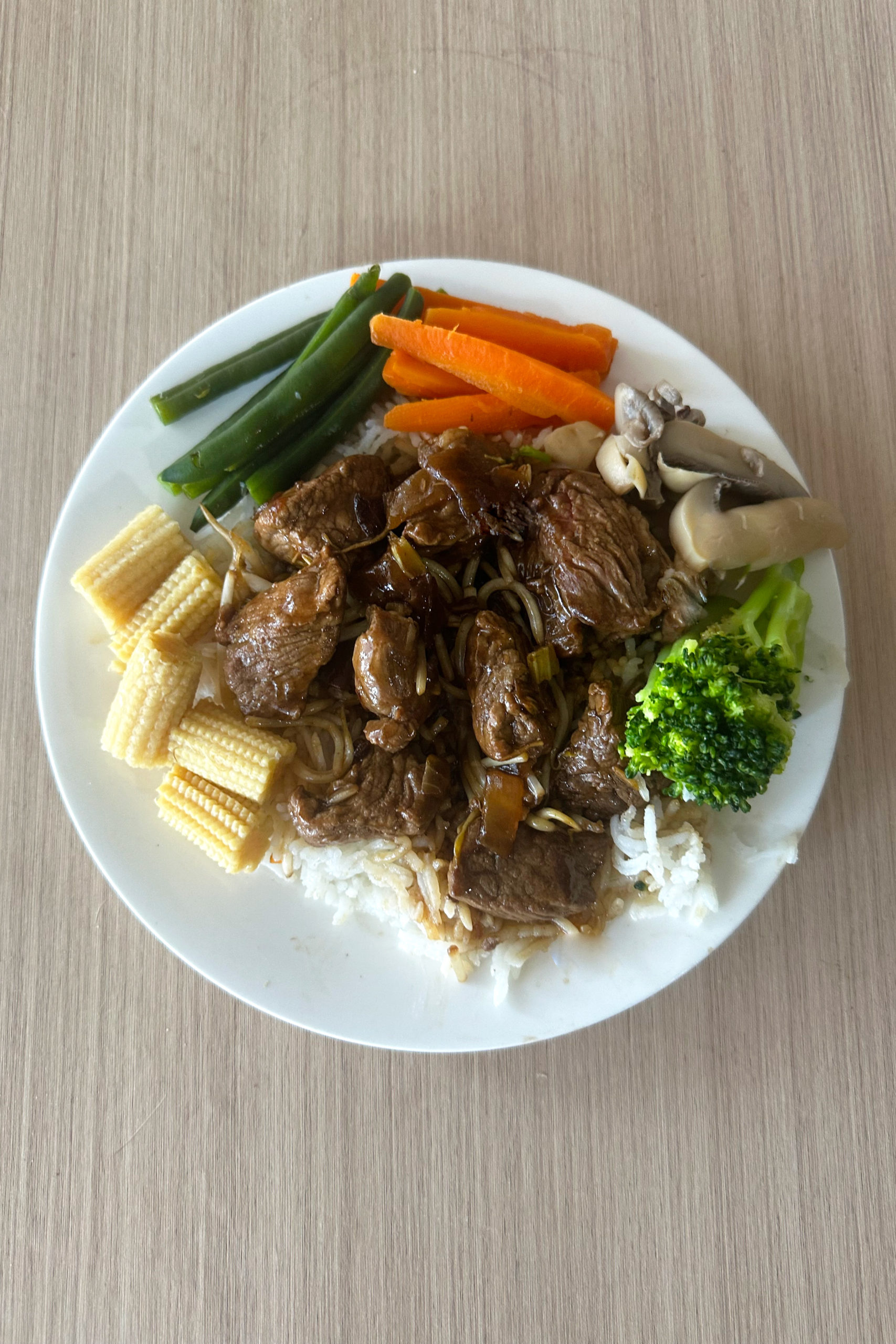
To reheat, thaw in the refrigerator overnight and warm it in a wok or frying pan over medium heat; this helps thicken the sauce and keeps the chicken tender. While it can be warmed in the oven, a pan is preferred to maintain the signature texture of the sauce and beef.
Make Chinese-American takeout at home!
If you love Chinese-American food, but keep kosher or otherwise don't eat pork or shellfish and don't have a suitable restaurant or takeout place near you, or if you just don't want to pay the high prices they charge, then you should totally try these other homemade kosher Chinese-American recipes!
- Corned Beef & Cabbage Egg Rolls
- Chicken Chop Suey
- Chicken Lo Mein
- General Tso's Chicken
- Chicken Fried Rice
- Chicken Chow Mein
- Vegetarian Egg Drop Soup
- Chicken and Broccoli
- Honey Garlic Chicken and Broccoli
Easy Mongolian Chicken Recipe
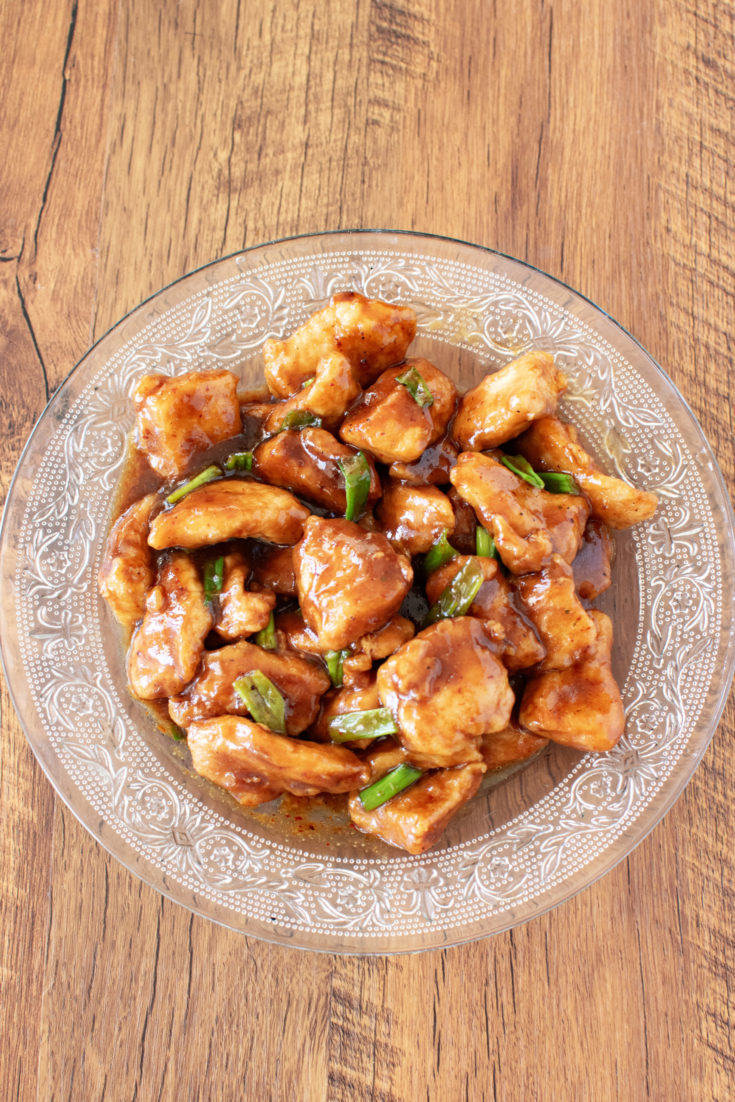
Easy and delicious Chinese-American chicken dish made without pork, dairy, or oyster sauce.
Ingredients
Chicken
- 1 pound chicken breast
- ½ cup flour or corn starch
- ½ tablespoon salt
- 2 green onions, sliced into 1 inch pieces
- 1 teaspoon black pepper (optional)
- Oil for frying
Sauce
- 3 tablespoons soy sauce
- ½ tablespoon brown sugar
- ¾ teaspoon granulated garlic or ½ teaspoon powdered garlic
- ½ teaspoon ginger powder
- 1 teaspoon chicken consume powder
- ¼ cup water
- 1 ½ teaspoons pepper flakes (optional)
- 1 teaspoon sesame oil or cooking oil
Instructions
- Slice chicken breast into strips of approximately 1 inch x 1.5 inch strips, ¼ inch thick (they do not have to be exact).
- Mix together flour or corn flower, salt, and pepper (optional)
- Place chicken pieces in mixture and coat very well.
- Pour oil into a frying pan just to cover the bottom and heat on medium heat.
- Fry coated chicken pieces on medium heat until they have browned and are crispy. Do not crowd the pan - fry in batches if necessary. Set aside prepared pieces.
- In a separate frying pan, mix soy sauce, brown sugar, garlic, ginger, chicken consume powder, water, oil, and chili peppers flakes (optional),
- Cook on a medium heat just until the mixture becomes a thick sauce (approximately a minute or so). If it is too watery, add a little flour or corn starch to thicken.
- Turn off heat.
- Add chicken pieces and cut green onions.
- Toss or gentle stir until evenly coated.
Nutrition Information:
Yield:
2Serving Size:
1Amount Per Serving: Calories: 705Total Fat: 12gSaturated Fat: 3gUnsaturated Fat: 9gCholesterol: 197mgSodium: 2690mgCarbohydrates: 68gFiber: 3gSugar: 4gProtein: 74g