Easy Homemade Dairy-Free Pumpkin Pie is a simple recipe for delicious and sweet pumpkin pie with the warm and cozy flavor of autumn, but made without condensed or evaporated milk.
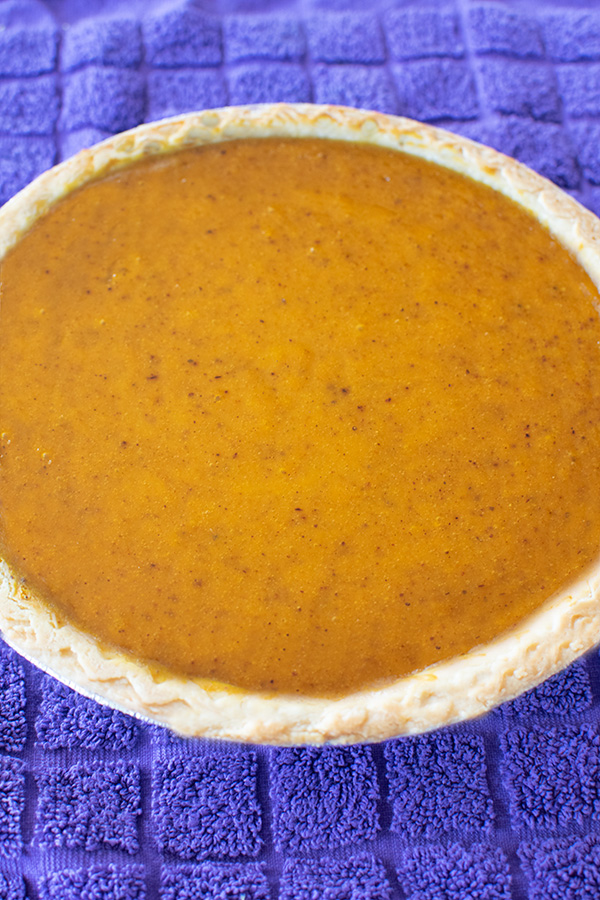
Pumpkin pie is a classic dessert at traditional Thanksgiving dinners in American households.
It's the warm and cozy flavor of the holiday, and it's so ingrained in the season of autumn that there is pumpkin spice everything.
Since pumpkin pie is typically made using evaporated milk, this can make it difficult for people who don't eat dairy or who eat kosher and won't have milk right after eating meat.
This homemade dairy-free pumpkin pie recipe is made without evaporated milk, and it's absolutely delicious. It's even a little sweeter than traditional pumpkin pie, so you might not even need whipped cream to balance out the sweetness.
Tradition or not, this pie is also perfect for dessert any time of the year, and you can even prepare the pumpkin pie spice ahead of time and use it as you need it. Just 3 ½ teaspoons per 29 ounces of canned pumpkin.
Frequently Asked Questions (FAQs) about dairy-free pumpkin pie
Is this pumpkin pie sweeter than traditional recipes?
Yes. This version is slightly sweeter than standard pumpkin pie, which means you can enjoy it without needing extra whipped cream on top.
I keep kosher. Can I serve this pie after a meat meal?
Yes, because it uses a dairy-free alternative to the evaporated milk typically used in pumpkin pie recipes.
How do I store homemade pumpkin pie?
Store the baked pie covered in the refrigerator for up to 3 to 4 days.
Can I use fresh pumpkin puree instead of canned?
Yes, you can use homemade fresh pumpkin puree. Just make sure to strain out any excess moisture so the pie sets properly.
Can I use butternut squash puree instead of canned or fresh pumpkin?
Yes. Butternut squash puree is an excellent alternative to pumpkin for baking pies. Libby's uses Dickenson pumpkins, and butternut squash is very similar for use in baking, especially pumpkin pies.
How do I prevent the pie crust from burning?
You can cover the edges of the pie crust with a shield or aluminum foil during the first half of baking to prevent over-browning.
Can I freeze this dairy-free pumpkin pie?
Yes, you can freeze the baked pie for up to 1 month; let it thaw completely in the refrigerator before serving.
General FAQs and information about baking:
Why do recipes have salt in the ingredients of baked goods?
Even though salt tends to make foods, well, salty, it actually plays other roles in baking as well.
For example, the right amount of salt balances flavors in baked goods; it can bring out the sweetness of sugar and, at the same time, prevent them from tasting overly sweet. It also can help dull the bitterness of cocoa.
Salt prevents baked goods from tasting bland, while it balances the richness of the fats. It also helps develop flavor in yeast breads and works with proteins to strengthen gluten and make it more elastic.
Salt also slows down yeast fermentation because it prevents the yeast from eating up the sugars too quickly, which otherwise would cause the dough to rise too fast and then ultimately collapse, causing bread to come out flat instead of fluffy.
Salt helps baked goods stay a little fresher for a little longer and helps delay mold from growing on them.
What is the difference between white granulated sugar and brown sugar?
The short answer is that while white granulated sugar is just pure sweetness, brown sugar is white sugar with molasses mixed into it.
Here is how that change affects your baking:
- White sugar is neutrally sweet. Brown sugar tastes like rich caramel or toffee.
- White sugar makes things crisp and light. Brown sugar traps moisture, making baked goods (like brownies) dense, soft, and extra chewy.
- Brown sugar is dark and wet; white sugar is dry and clear.
Tip: If a recipe calls for brown sugar and you're completely out, you can make your own by thoroughly mixing a tablespoon of molasses into a cup of regular white granulated sugar, and that will give you light-brown sugar. If you want dark brown sugar, you need to mix in more molasses.
What do eggs do in baking?
Eggs are made up of two parts: the whites and the yolks (the yellow).
Egg whites are made up of protein that sets when heated and helps baked goods hold their structure. The yolks are made up of fats and vitamins and help ingredients bond.
Eggs also help baked goods rise as well as keep them moist.
It is important to have the right amount of eggs when baking, because if there are too many eggs in a recipe, this can cause a rubbery, dense texture, and if there are too few eggs, this can cause a crumbly, dry texture.
The different parts of the egg will provide different textures to baked goods; using the entire egg in baking will provide moisture and help the baked good rise evenly, using extra yolks will create richer, denser textures, and extra whites will add fluffiness but may create a drier texture.
What if I don't want to use eggs in my baking?
There is food science that one can research to replace eggs in baking, but the substitutions will change from item to item.
What equipment is good to have in my kitchen to bake on short notice?
- a stand mixer, which I use mostly for dough and sometimes for whipping
- a hand mixer (for things that aren't dough and I don't want to mix manually)
- a kitchen scale
- different sizes and shapes of baking pans, including loaf pans
- mixing bowls (or just large bowls-I have plastic, glass, and metal)
- cookie sheets
- pie dishes
- dry measuring cups
- liquid measuring cups
- measuring spoons
- whisks
- rubber spatulas (really good for when you don't want to leave anything in the bowl)
- rolling pins
- a baking mat for rolling out dough
- baking strips
- a good supply of baking (or parchment) paper (also round for layer cakes)
A little about pumpkins
"Pumpkin" is another term for winter squash. It's low in calories but has nutritional benefits, such as vitamin A and beta-carotene, which is an antioxidant.
Pumpkins are used to make soups, salads, baked goods, desserts, and more. Some people even use it as a substitute for butter or margarine.
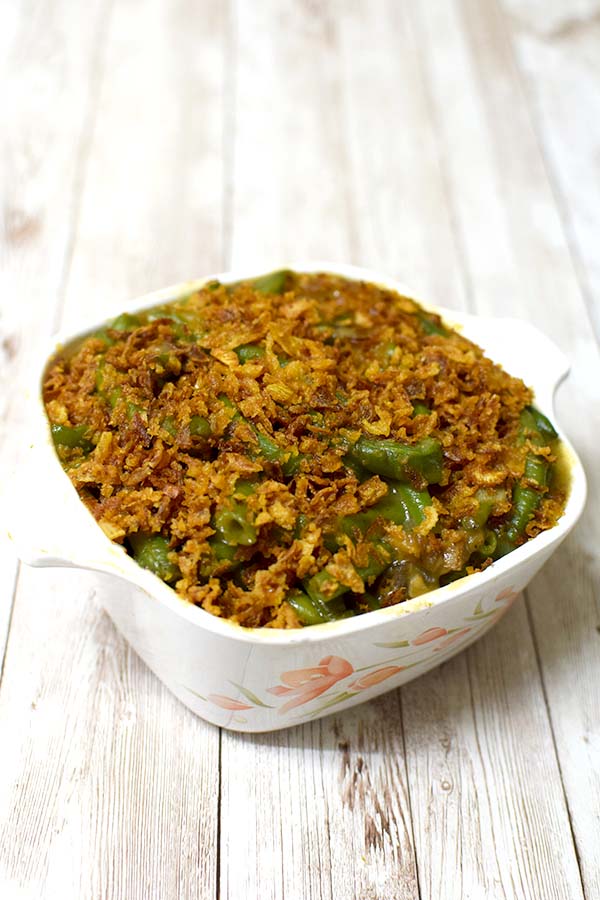
A dairy-free side for your Thanksgiving meal
Love baked goods with pumpkin?
Try
Dairy-Free Pumpkin Loaf Cake
Dairy-Free Pumpkin Muffins
Easy Homemade Dairy-Free Pumpkin Pie Recipe
Delicious and sweet dairy-free pumpkin pie.
Ingredients
- 1 29-ounce can of pumpkin puree
- 24 ounces of sweet dairy-free whipping cream (or non-dairy heavy whipping cream and an additional ⅓-1/2 cup of white granulated sugar, or as desired to taste), NOT whipped
- 4 large eggs
- 1 ½ cups white granulated sugar
- 2 teaspoons ground cinnamon*
- 1 teaspoon ground ginger*
- 1 teaspoon salt
- ½ teaspoon ground cloves*
- 2 9-inch deep dish pie crusts
Instructions
- Pour pumpkin puree into a large mixing bowl.
- Add the whipping cream and eggs and mix.
- Add the sugar, cinnamon, ginger, cloves, and salt and mix well.
- Pour equally into the two pie crusts.
- Place in oven that has been pre-heated to 350°F on the middle rack.
- Cover the edges of the pie crust with aluminum foil or pie crust protectors so they don't cook faster than the pie itself.
- Bake for 45 - 50 minutes or until the middle of the pie has set become solid (depends on your oven - keep an eye on the pie from 45 minutes on, checking occasionally).
- Remove from oven and let cool. Chill if desired.
Notes
* If you made Homemade Pumpkin Pie Spice ahead of time, just use 3 ½ teaspoons for this recipe.
Nutrition Information:
Yield:
8Serving Size:
1Amount Per Serving: Calories: 786Total Fat: 51gSaturated Fat: 26gTrans Fat: 1gUnsaturated Fat: 21gCholesterol: 194mgSodium: 528mgCarbohydrates: 76gFiber: 5gSugar: 44gProtein: 10g