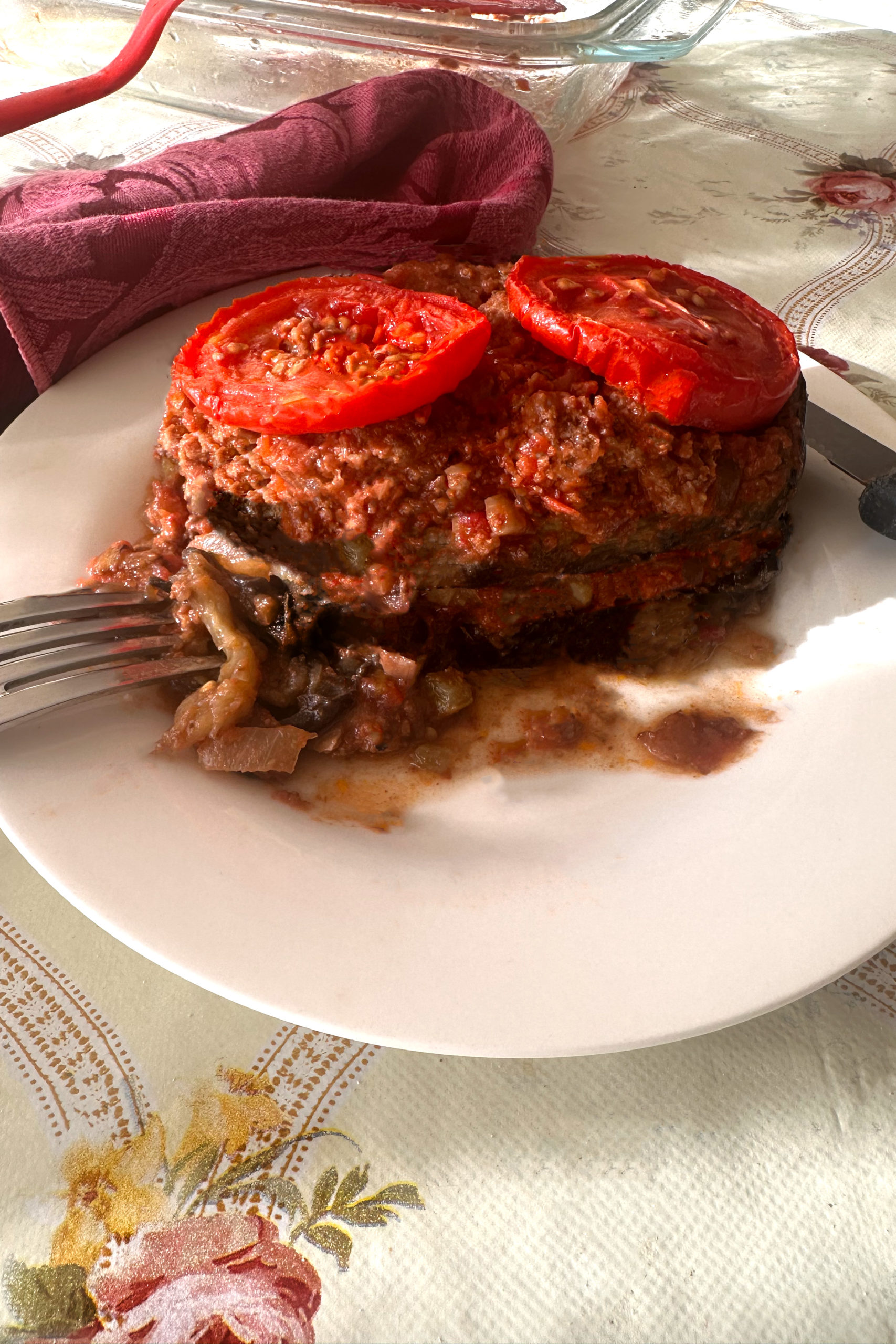
Turkish Moussaka is an easy recipe for a delicious and savory Mediterranean dish made with tender eggplant, juicy tomatoes, and seasoned ground beef, all cooked in one pan on the stovetop.
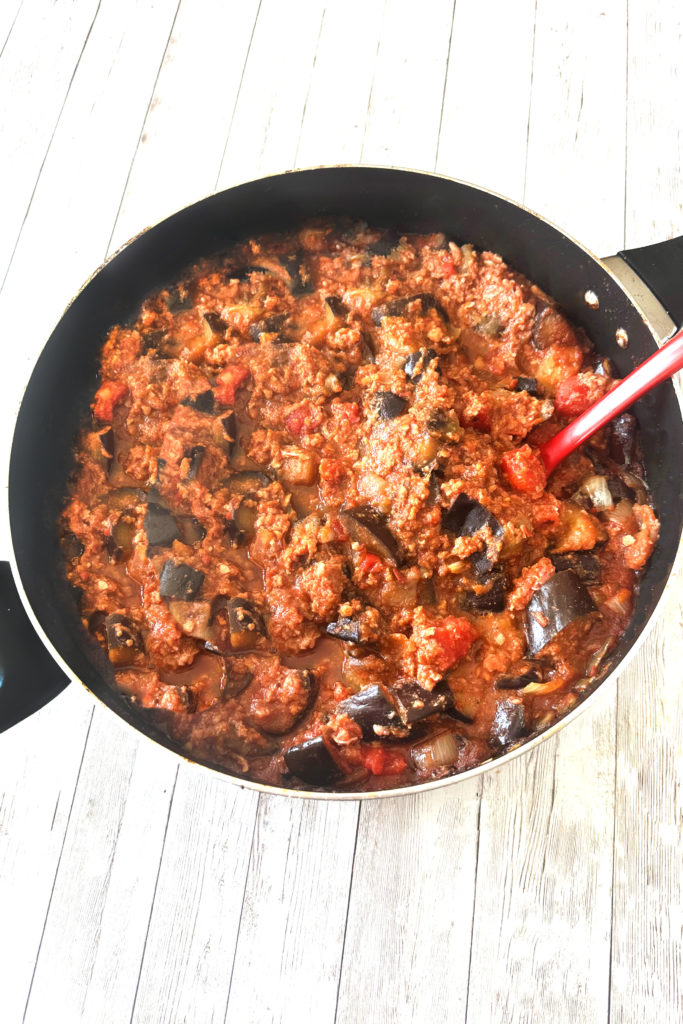
This warm and hearty Mediterranean dish is similar to Israeli moussaka but is made in one pan for an even simpler recipe.
And, since it skips the traditional béchamel sauce made with dairy found in Greek moussaka, this flavorful recipe is dairy-free.
It makes a terrific family dinner for busy weeknights or a simple meat dish for a potluck with friends.
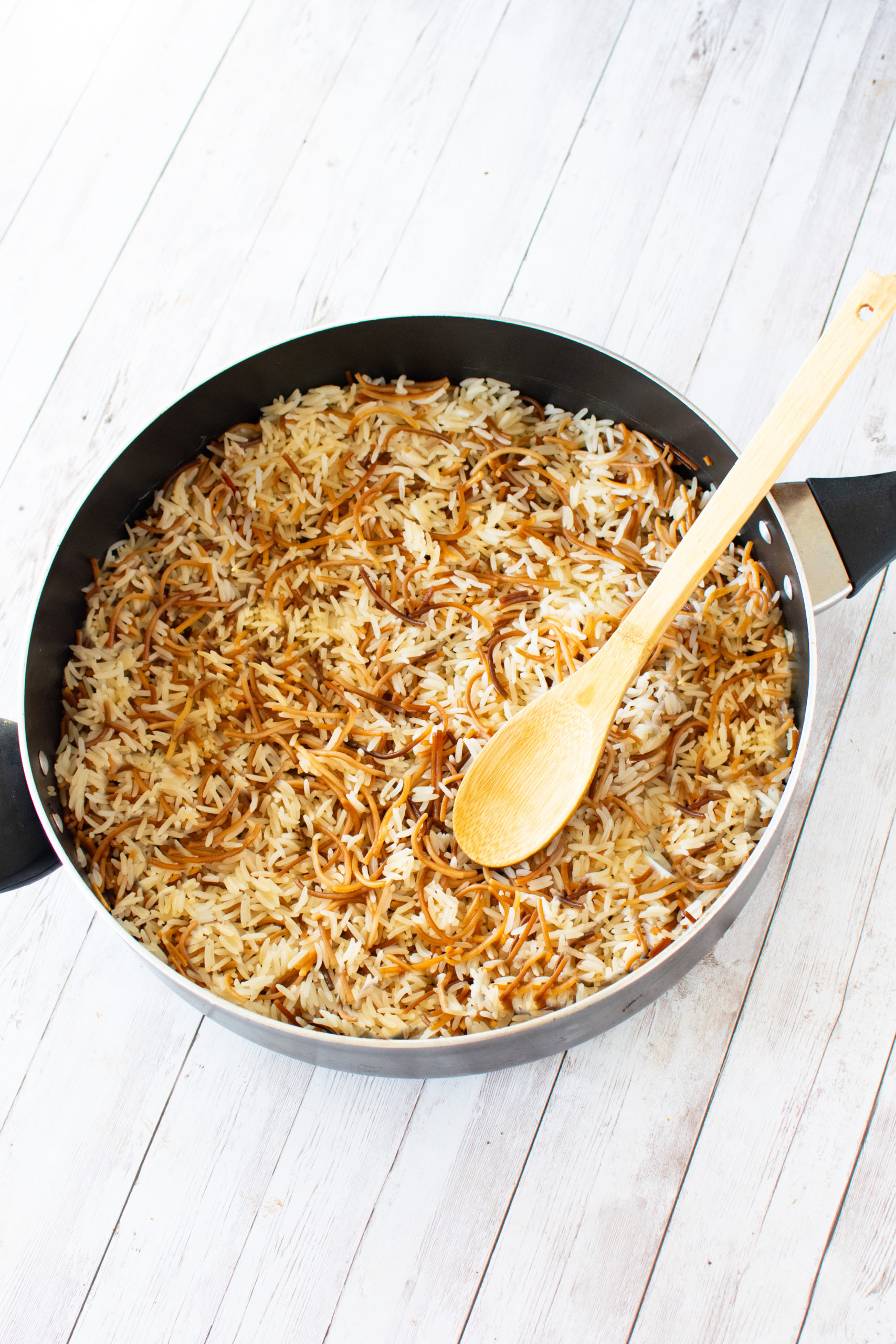
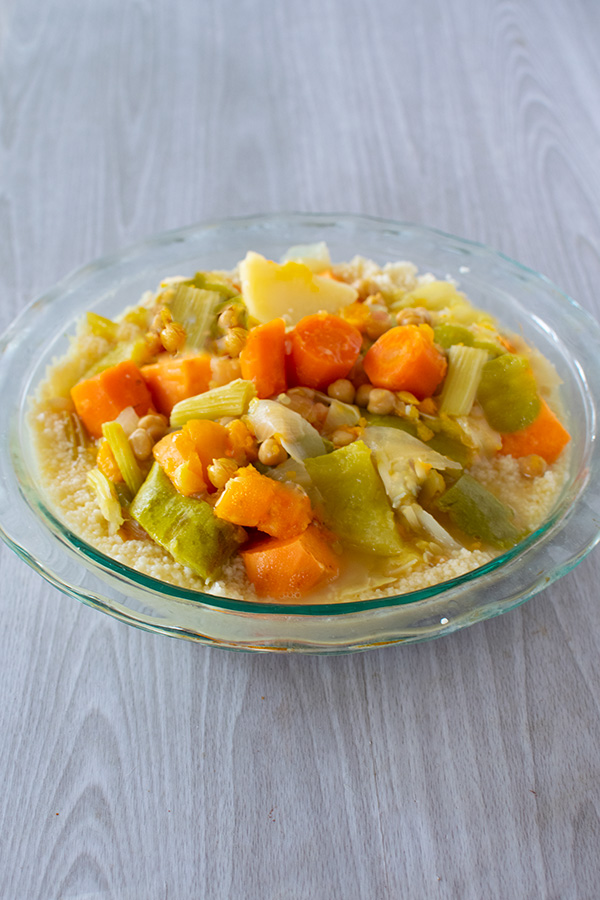
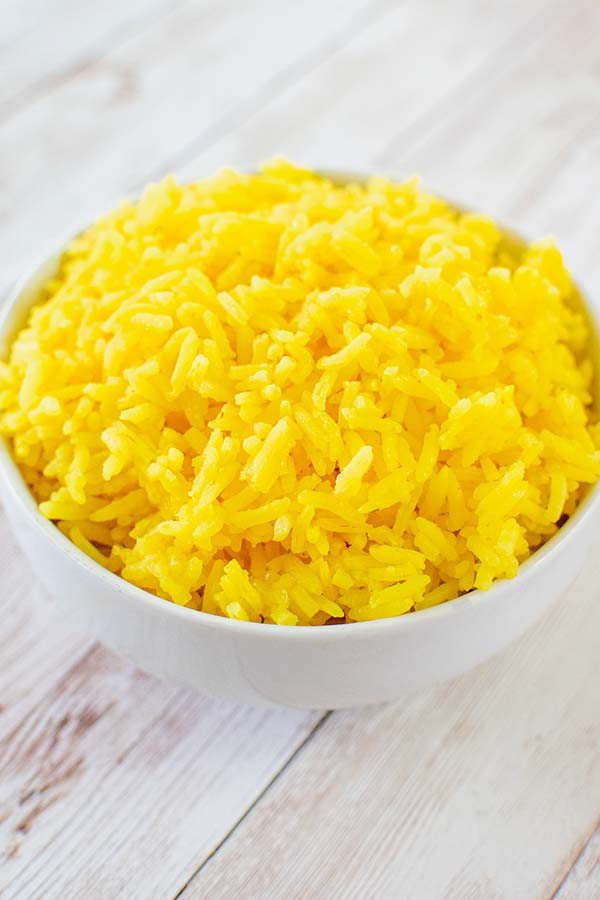
It's especially delicious served over a warm bed of white or yellow rice or fluffy couscous!
It also refrigerates well, so you can make it ahead and have it ready and waiting when you come home from work or school. Just warm it up!
Jump to:
What Is Moussaka?
Moussaka is an eggplant-based dish popular across the Balkans, the Middle East, and the Mediterranean, with different countries having their own versions.
The most internationally well-known version is Greek moussaka, which is typically made with layers of fried sliced eggplant, ground lamb or beef with onions, tomatoes, herbs, and spices.
The top layer is usually a béchamel sauce, a classic French white sauce traditionally made with butter, milk, and flour. The assembled moussaka is then baked until the top is golden brown.
Other Mediterranean and Balkan versions use different ingredients and sauces, and some may include grated cheese or breadcrumbs. There are also versions made with zucchini, carrots, or potatoes. In Bulgaria, Serbia, Bosnia, and other countries, potatoes may be used instead of eggplant.
Turkish moussaka is prepared differently from Greek moussaka. It's made in a single pan with chunks of eggplant, tomatoes, and seasoned ground beef and is cooked on the stovetop rather than layered and baked.
What is needed to make Turkish-style moussaka?
- eggplant
- onion
- diced tomatoes or equivalent
- green pepper (optional)
- ground beef (or other ground meat)
- chicken consommé powder or beef bouillon powder
- white granulated sugar
- black pepper
- oil
Frequently Asked Questions (FAQs)
Do I need to salt the eggplant before frying?
No. Salting the eggplant isn't required for this recipe. If you're concerned about bitterness, you can salt it before cooking, but I don't find it necessary for this dish.
What is the role of sugar in this recipe?
The sugar helps balance the acidity of the canned tomatoes. It rounds out the flavor of the tomato-based sauce and complements the savory eggplant and beef.
Can I make Turkish moussaka ahead of time?
Yes. Turkish moussaka is an excellent make-ahead dish. The flavors have time to meld as it rests, and you can gently reheat it in the pan when you're ready to serve.
What should I serve with Turkish moussaka?
Turkish moussaka is hearty and flavorful, so it pairs well with simple sides such as white or yellow rice or fluffy couscous.
Can I freeze Turkish moussaka?
Yes. You can freeze leftovers in an airtight, freezer-safe container for up to 3 months. Keep in mind that eggplant can become softer after freezing and reheating. Thaw before reheating and warm gently in a pan or oven for the best texture.
Does this dish have nutritional value?
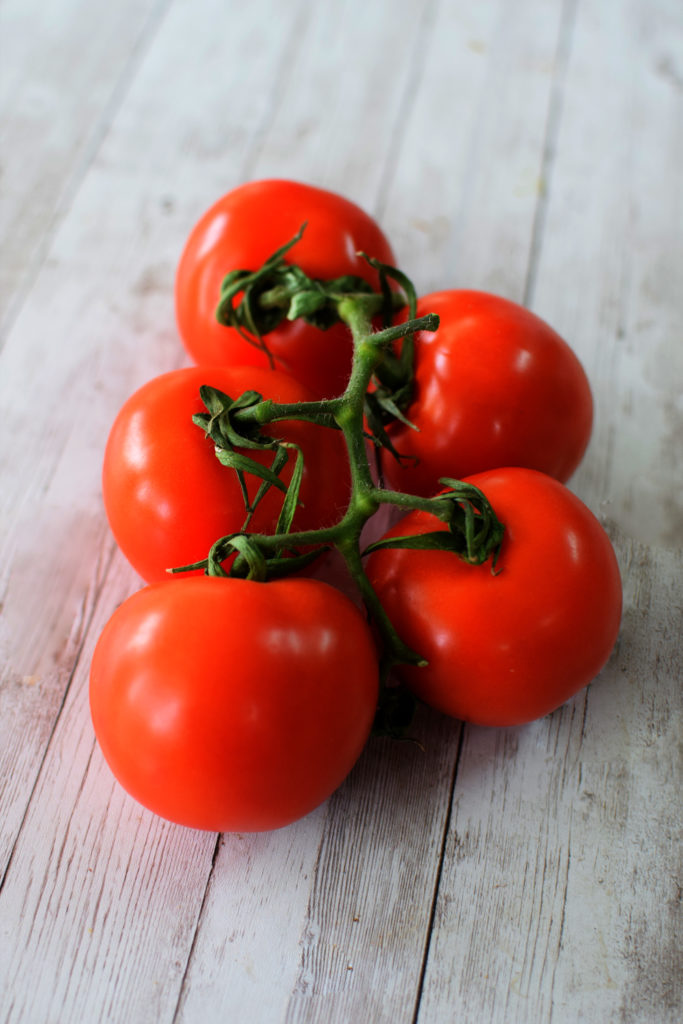
The tomatoes have nutritional benefits.
What about the eggplants?
The eggplant is native to India and Asia, where it can be found growing wild, and it is believed that eggplants were brought to Europe sometime during the 7th or 8th century.
Australians and Americans call the vegetable eggplant, while in England it is called an aubergine, from the French word for this vegetable.
Because of its meaty texture, eggplant is used instead of meat in some vegetarian versions of meat recipes.
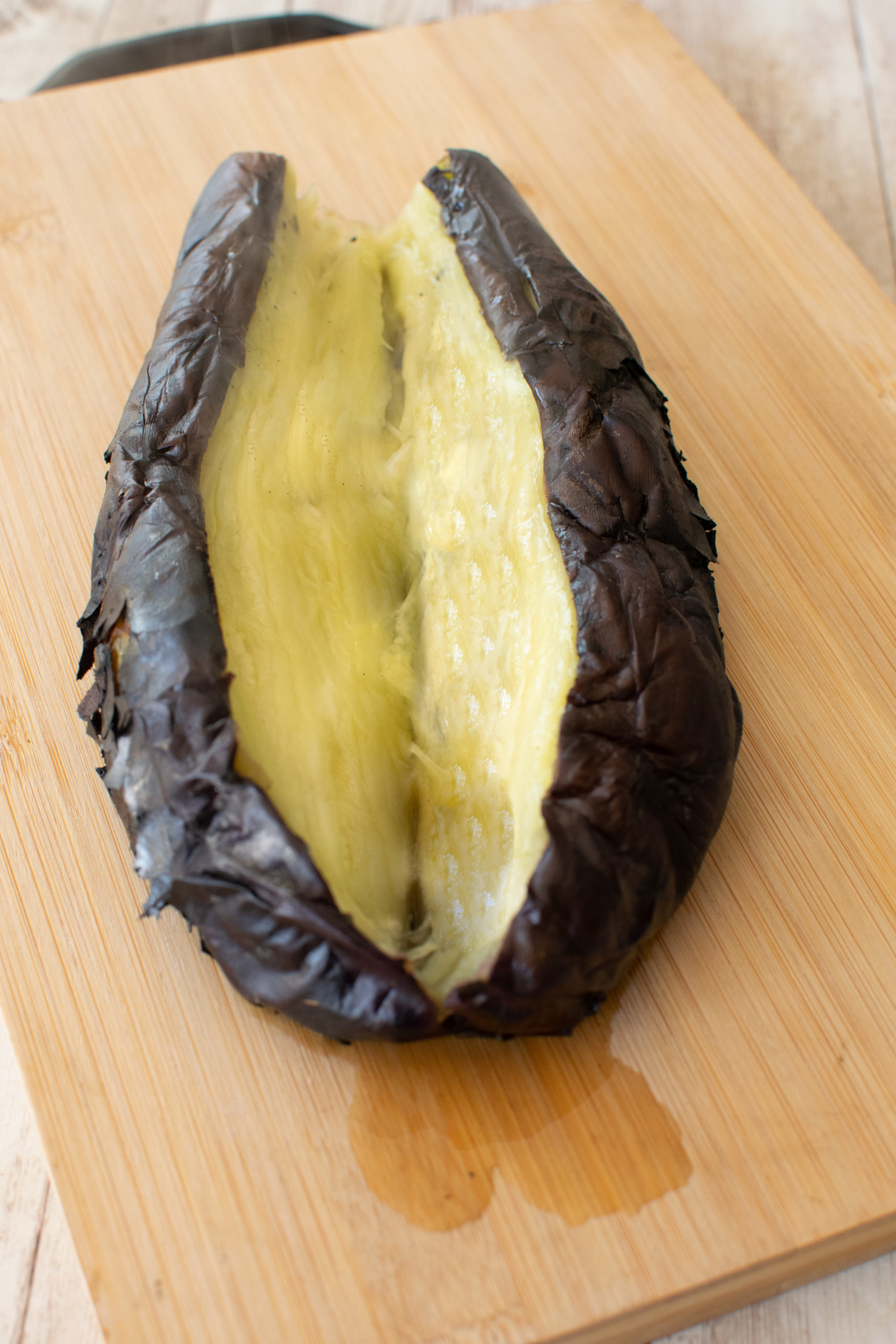
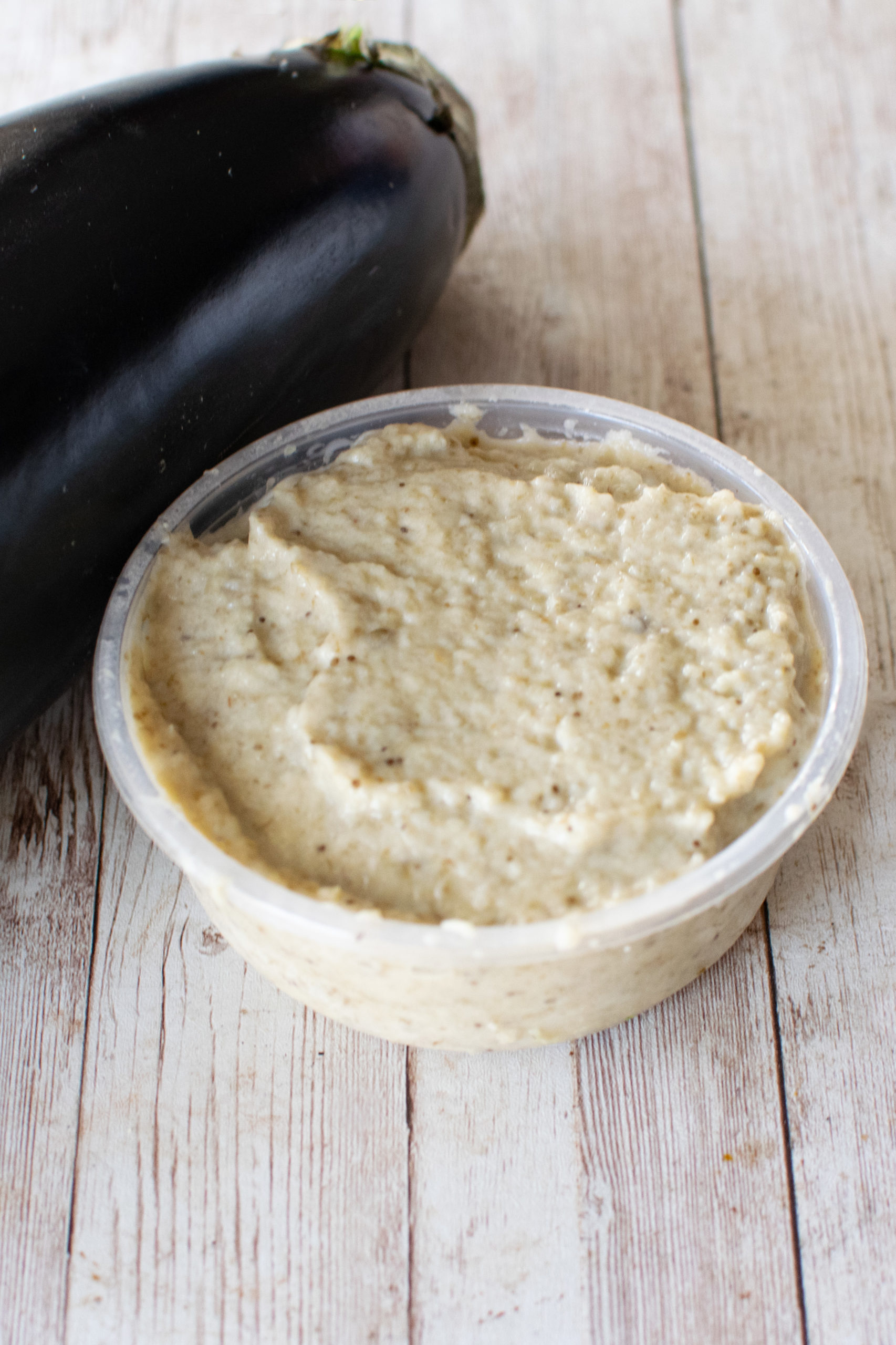
While there are a variety of types of eggplants, the one for this recipe is the large, egg-shaped (or teardrop-shaped), blackish-purple one with the meaty inside.
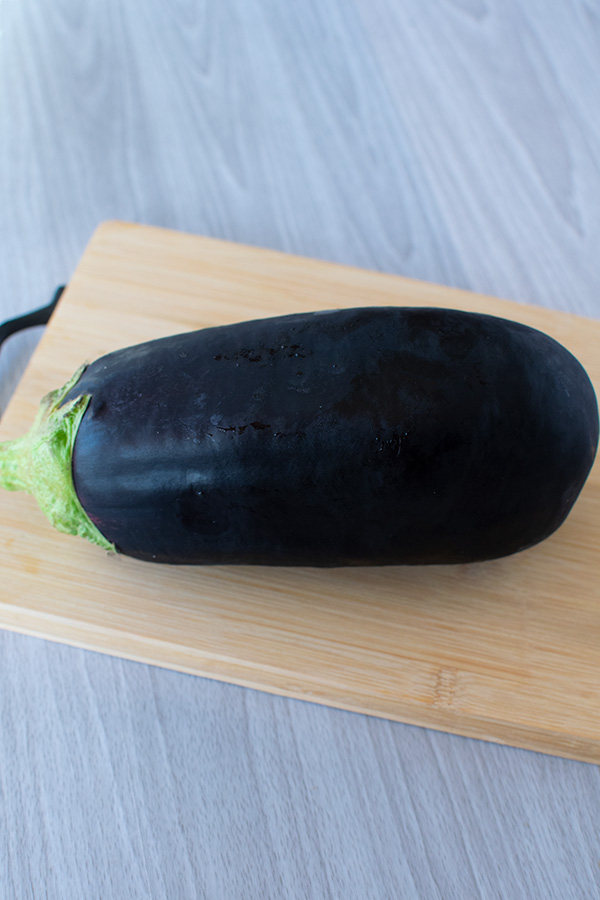
Eggplants have health benefits, as they contain antioxidants like vitamins A and C, which help protect your cells against damage, and are low in calories.
How do I prepare the eggplant?
This recipe can use either peeled eggplants or eggplants with the skin. Having the skin on will not ruin the recipe, but it must be cooked well. Otherwise, it may come out chewy.
Eggplant is naturally a little bitter. If you find that to be the case, you can draw out the bitterness by sprinkling it with a little bit of salt after you slice it and letting it sit for around 15 minutes or so. Afterward, pat dry before using.
Using salt before cooking can help prevent the eggplant from absorbing too much oil and becoming greasy if using oil with the eggplant recipe (I normally just pat the pieces with a paper towel if need be).
If you do use salt, MAKE SURE to rinse it off before cooking the eggplant, or the salt will become a part of your dish!
Personally, I've never had to do this.
Like Middle Eastern and Mediterranean food?
- Easy Moroccan Eggplant and Pepper Salad Recipe
- Easy Moroccan-Israeli Vegetable Soup with Couscous Recipe
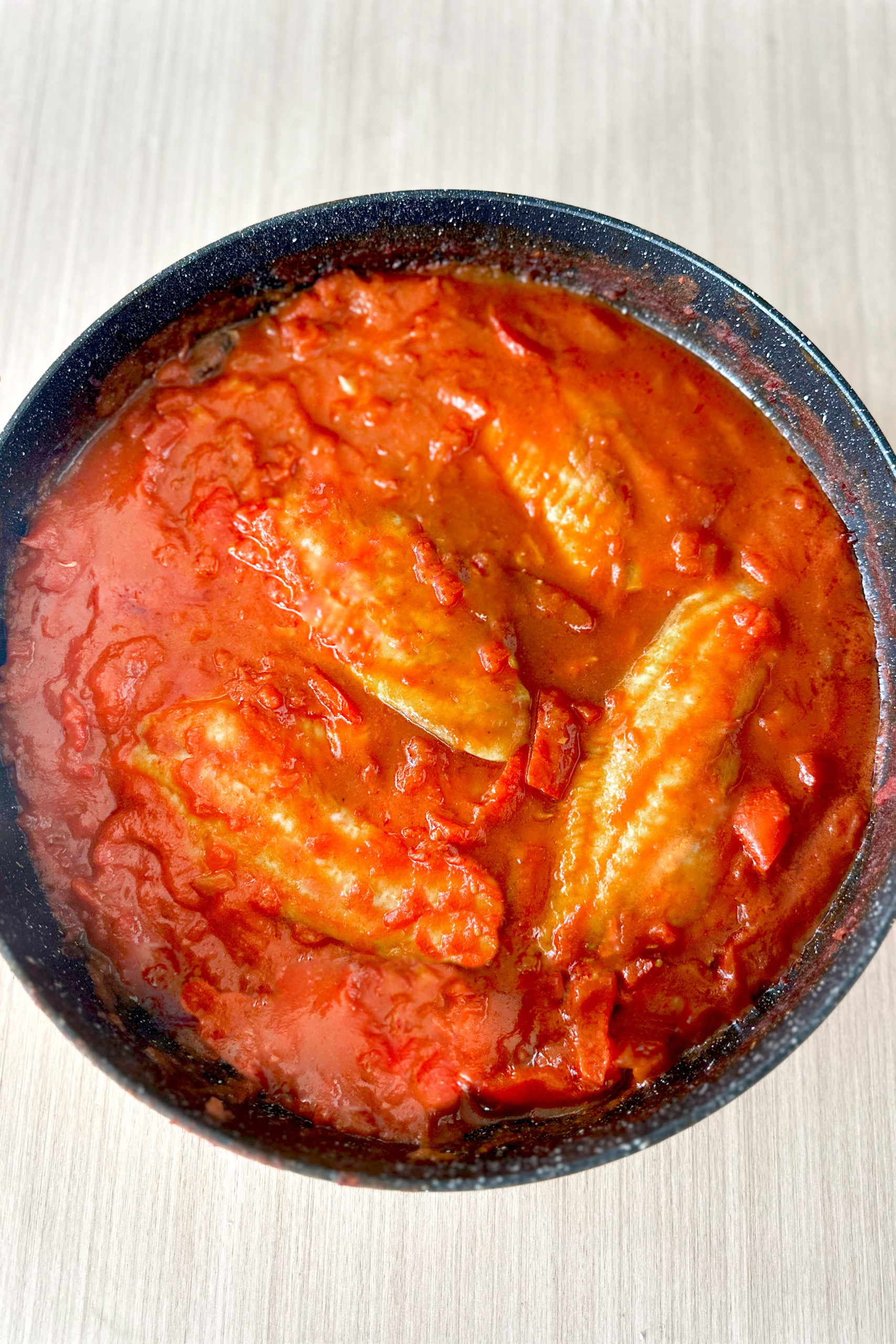
- Easy Moroccan Fish Recipe
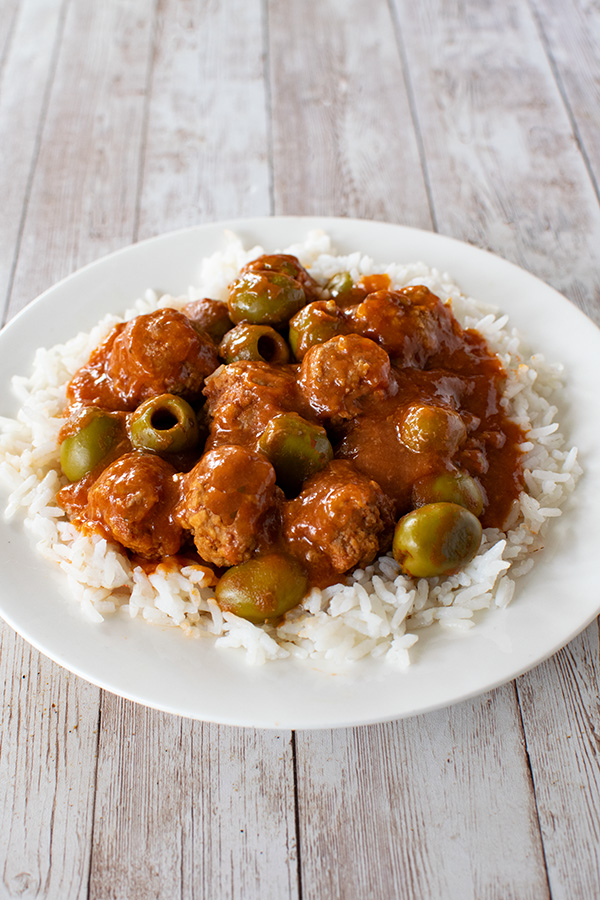
- Easy Moroccan-Israeli Meatballs and Olives Recipe
- Easy Israeli Yellow Rice Recipe
- Easy Israeli-Style Moussaka Recipe
- Easy Sabich Recipe (Israeli Street Food)
- Easy Classic Israeli Shakshuka Recipe
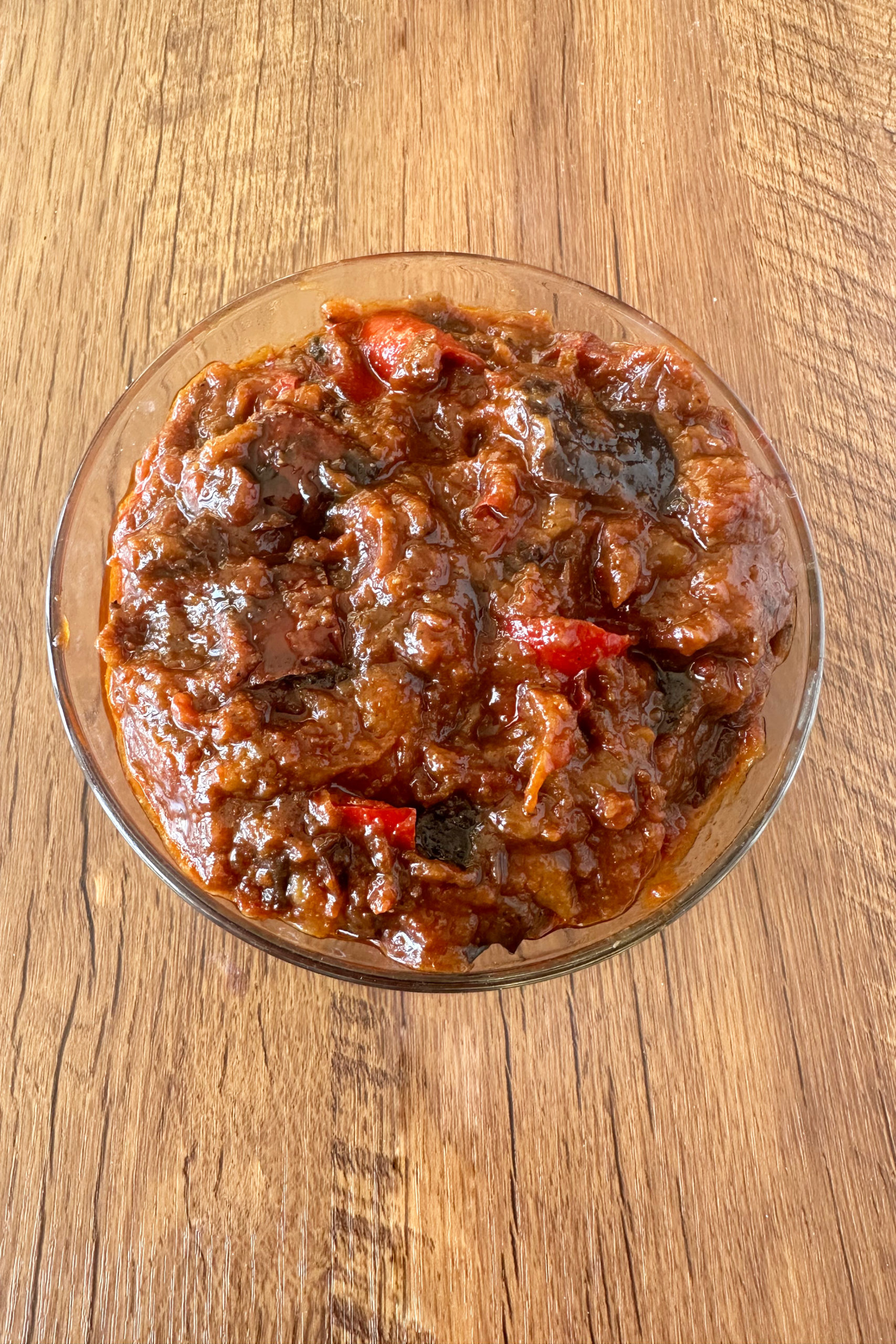
Turkish Moussaka
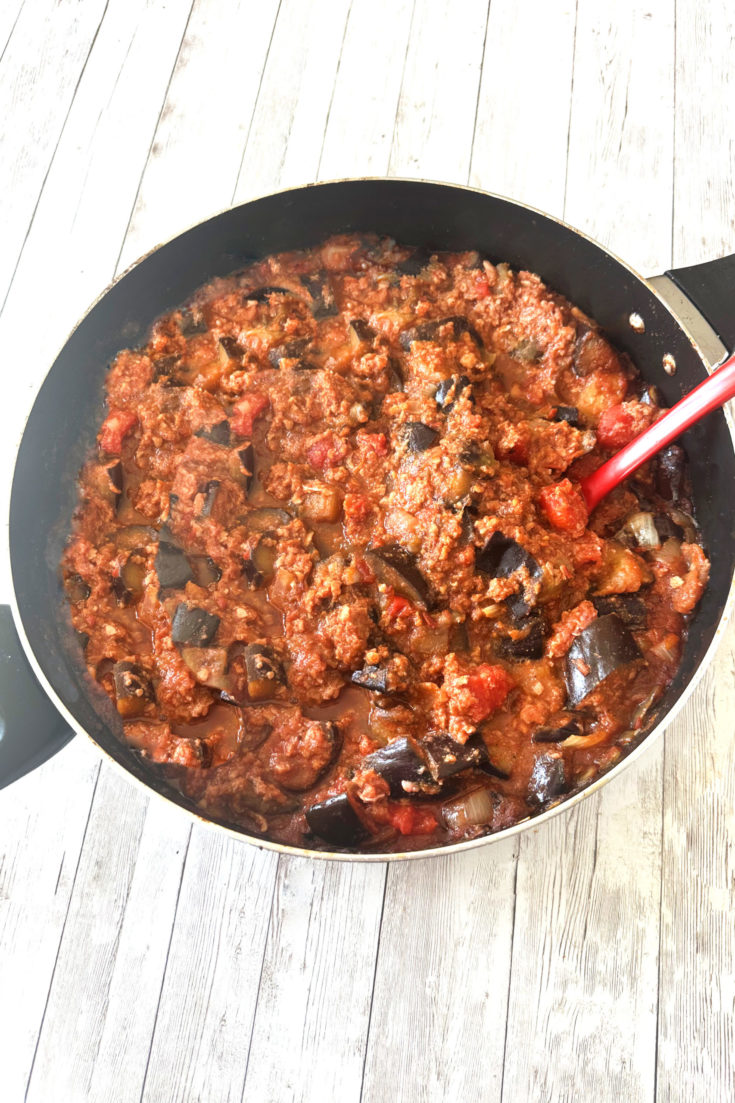
Easy, delicious, and savory, dairy-free Middle Eastern dish of eggplant and ground beef in a delicious tomato sauce.
Ingredients
- 2 medium eggplants (approximately 9 inches long)
- 1 medium onion, diced or chopped
- 1 - 28 oz can diced tomatoes or equivalent, drained
- 1 small or medium green or red bell pepper (optional)*
- 1 ½ pounds ground beef (or other ground meat)
- 2 tablespoon chicken consommé powder or beef bouillon powder
- 1 ½ tablespoons white granulated sugar
- ½ teaspoon black pepper
- oil for frying
Instructions
- Dice the eggplant into approximately 1" pieces (you can peel first or not, as desired).
- Dice or chop the onion and the pepper (if you are using them—see the notes). *
- Pour oil to approximately ⅛" high in a large pan and heat on medium. **
- Add the eggplant and onion (and pepper, if using) to the pan and sauté them together, mixing occasionally, until they turn a light brown.
- Add the diced tomatoes, ground beef, consommé or bouillon powder, sugar, and pepper and mix well.
- Continue to cook on medium heat until the meat has cooked and all the vegetables are soft (approximately 20 minutes). Add water, a little at a time, if needed. ***
Notes
*Chopped green peppers are traditionally part of this dish, but you can leave them out if you want to. Bell pepper is often overpowering, so use a small one or a half of a larger one, diced small. The traditional peppers used are usually mild sivri or çarliston peppers, which are smaller with thinner skins, so you would use 3-4 of those.
** Toss a piece of onion into the oil, and the oil will be ready when the onion begins to fry.
***The mixture should be thick, but if it becomes thick before the vegetables are completely cooked, then add water, a little at a time as needed.
Nutrition Information:
Yield:
6Serving Size:
1Amount Per Serving: Calories: 433Total Fat: 23gSaturated Fat: 9gUnsaturated Fat: 14gCholesterol: 104mgSodium: 79mgCarbohydrates: 23gFiber: 5gSugar: 11gProtein: 33g