Deli-Style Tuna Salad is a simple, 3-ingredient, dairy-free recipe just like the classic one served in iconic New York delis and Jewish bagel shops!
And you can almost always find it on any table at catered events and buffets.
Made with tuna, small crispy pieces of celery, and your favorite mayo, it’s perfect on a roll or bagel, or served as a side on a deli plate!
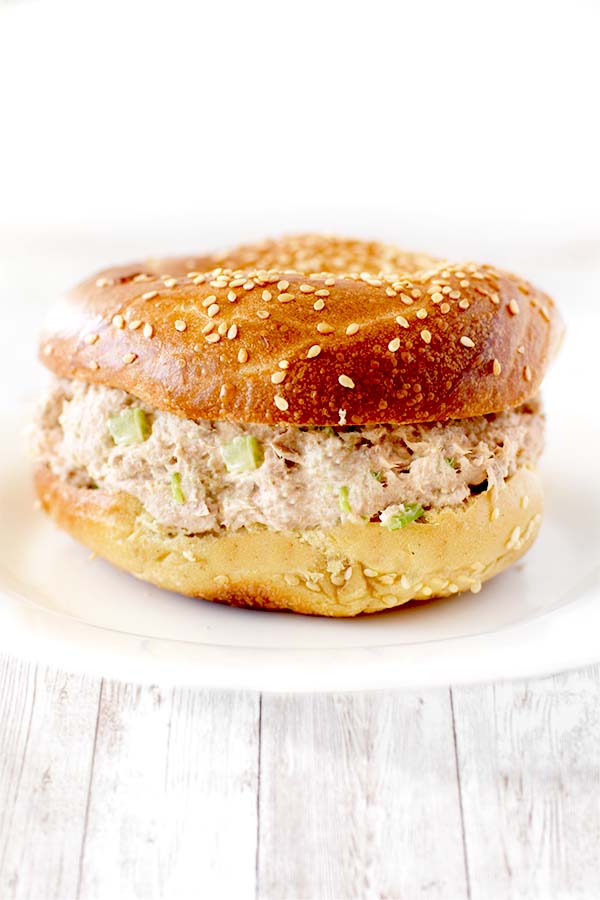
Deli-style tuna is a classic at deli and bagel shop counters! And catered meatless events wouldn’t be the same without it!
But why stand in line or pay deli prices when you can simply make it at home? Especially since it’s budget friendly!
It refrigerates well, so make it ahead and use it for days. And it’s terrific for school or work, so you can save your lunch money!
Personally, I don’t have much patience or time for complicated meals and I love simple recipes like this one. It’s a great light, dairy-free meal for kids and adults alike. It takes little effort, and everyone loves it.
Deli-style tuna salad is great anytime for a light, quick, and easy-to-make meal. Eat it alone on a plate, in a sandwich, or with a leafy salad It’s terrific on rye bread, white bread, in a roll, in a pita, in a bagel…you name it.
Variations
While I like to keep it basic and simple, there are several additional diced vegetables that can be added to this simple recipe.
These include onions (red, yellow, or green), pickles, relish, diced bell peppers, hard-boiled eggs, etc.
Some people spice up their tuna salad with salt, pepper, onion powder, garlic powder, etc. or add lemon juice, mustard, or minced garlic for flavoring. All to taste.
And celery has nutritional benefits too!
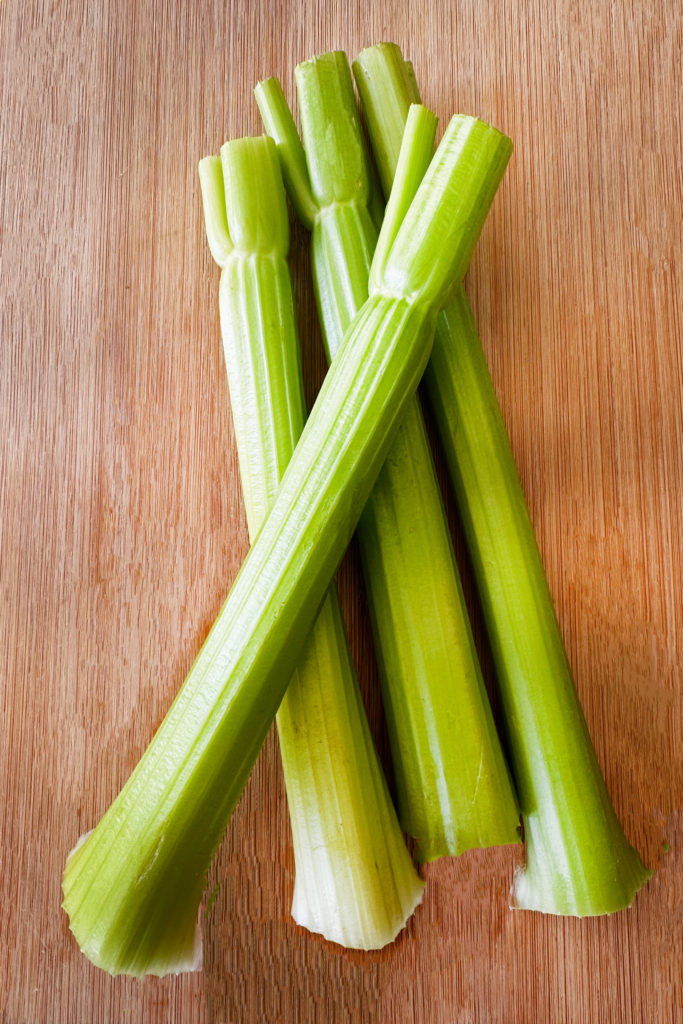
So does tuna!
My deli-style tuna salad story
My kids always liked the tuna salad that was sold in the New York bagel shops and delis and that was served at catered events. It was expensive though, and I had no idea how to make it. One day, deciding I had nothing to lose, I a local caterer and asked how they made their plain tuna (I don’t like celery).
“It’s tuna and mayo,” the guy told me.
Yeah right. “No, really. What else?”
“That’s it. Tuna and mayo.”
That’s how I made mine. Tuna and mayo. Maybe he used a different mayo than I did (Best Foods/Hellman’s)? I was at a loss and gave up.
One day, my youngest son (who was 15 at the time) decided he wanted a tuna sandwich like he got at the bagel store, and that was that. Instead of coming to me to ask, he went to my daughter, Elissa (our family foodie).
Together, they figured out how to make it perfectly. And they even added little pieces of diced celery like the delis and caterers do.
What the caterer hadn’t told me was that they made sure there were no chunks in the tuna and they used plenty of mayo. Mystery solved!
Tuna on a bagel immediately became my son’s favorite meal.
At first, he made it every…single…day. Then, he realized that it was easier to make a large batch all at once to last him all week. We bought him those Costco-sized cans of tuna and he spent a lot of time mashing the tuna, dicing the celery very small, and putting in just the right amount of mayo.
After several days, he noticed that the quantity of tuna he’d prepared was a lot lower than it should’ve been for the amount he was eating. He decided that someone was eating his tuna, so he went on a mission to find the culprit.
When the search was over, he announced to me (with quite a bit of pride, I might add) that the culprit was… everyone!
FAQs
What does it mean when recipes say “to taste” about an ingredient?
When recipes say “to taste,” it means that you can put in as little or as much as you like to your own taste. Some recipes have many ingredients that a cook can adjust to their own taste when cooking (not so much when baking though).
The best way to calculate what your taste is with a recipe that you are not yet familiar with is to first taste the dish and then add the “to taste” ingredient GRADUALLY, a little at a time—a splash of this or a pinch of that—until the dish is just the way you like it. Make sure to stir the ingredient after each time you add it so that the flavor will distribute evenly and become part of the dish. Then taste again. Repeat until you reach your personal preference.
Note: If you plan on using the recipe again, it is highly recommended to make a note of what and how much you added so that you can refer to it next time.
What does it mean when a recipe says that an ingredient is “optional”?
If an ingredient is “optional,” it means that you can add it in or not based on your own preference. An optional ingredient can be flavor related (i.e., salty, sweet, spicy, etc.), appearance related (garnish), or even something like nuts or chocolate chips in baking.
What is needed for this recipe?
I hardly ever meal plan, so I like to keep a cupboard full of seasonings, spices, veggies, and canned goods in my kitchen to use whenever the mood strikes.
But these are all you need to have on hand to make this recipe even last minute!
10 ounces (2 5-ounce cans) tuna in water
mayonnaise (preferrably Best Foods/Hellman’s)
celery stick
What other deli salad recipes do you have?
Just put “deli-style” in the search bar to find several delicious easy to make deli-style salads. In the meantime, try these!
- Deli-Style Cucumber Salad
- Deli-Style Red Cabbage Salad
- Deli-Style Broccoli Salad
- Deli-Style Potato Salad
Easy Deli-Style Tuna Salad
Delicious and easy, 3-ingredient tuna salad like in NY delis and bagel shops!
Ingredients
- 10 ounces (2 5-ounce cans) tuna in water, drained well
- 1/2 cup mayonnaise (for less calories, use less mayonnaise or low fat mayonnaise)*
- 1 celery stick, diced very small
Instructions
- Put tuna in blender or food processor or mash well with a fork.**
- Place in a bowl, combine well with mayonnaise.
- Mix in the celery.
- If you are going to want to serve cold, chill for a little while before serving.
Notes
*The best mayonnaise to use is Best Foods or Hellman's (they are the same, just with different names depending on where you live in the US).
**Deli tuna salad uses very fine tuna pieces, but how you prepare yours depends on how fine you want your tuna. For more fine, use the blender. For less, use a fork.
Nutrition Information:
Yield:
2Serving Size:
1Amount Per Serving: Calories: 377Total Fat: 41gSaturated Fat: 6gTrans Fat: 0gUnsaturated Fat: 34gCholesterol: 23mgSodium: 413mgCarbohydrates: 1gFiber: 0gSugar: 1gProtein: 1g