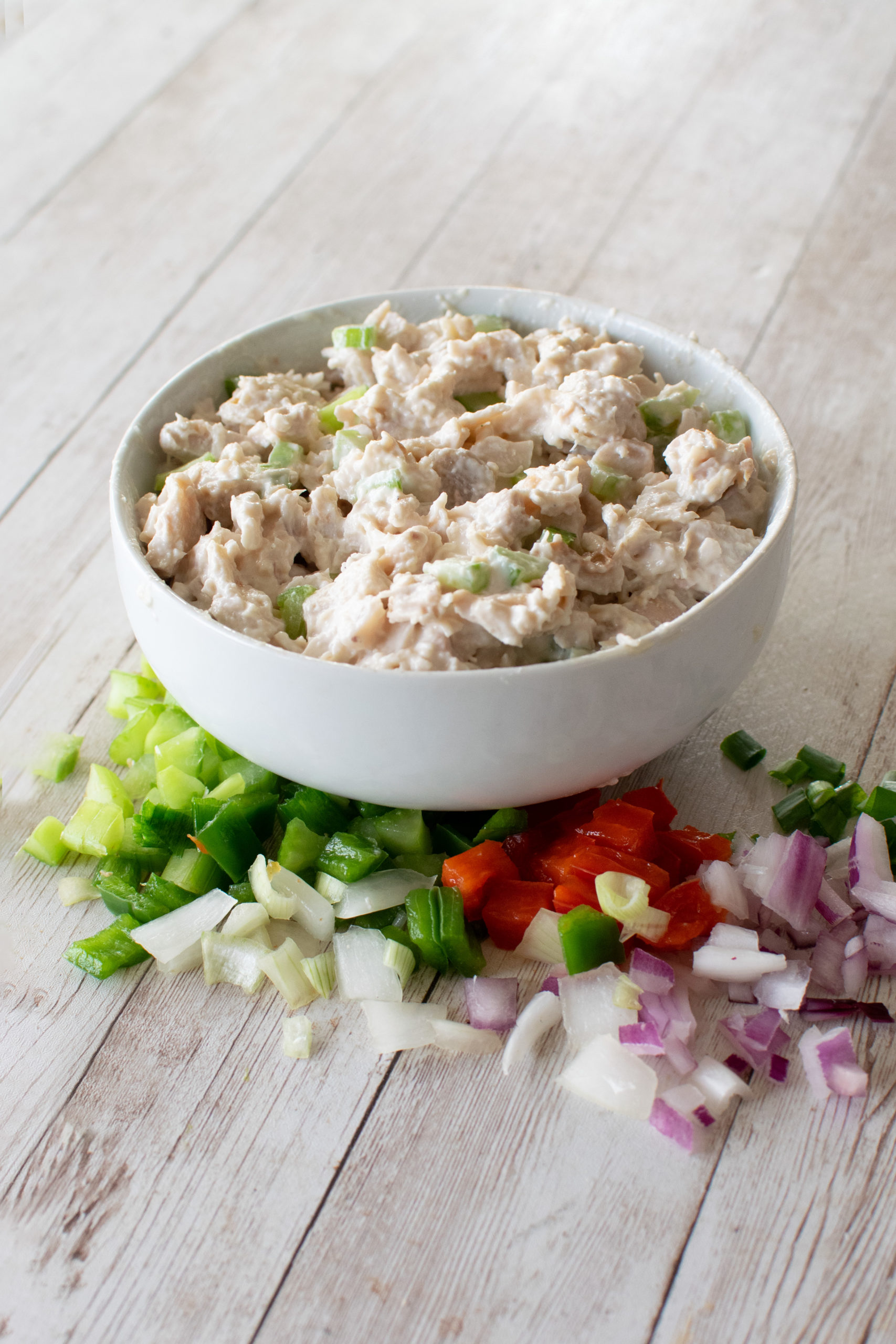
Easy New York Deli-Style Tuna Salad is a simple, 3-ingredient, dairy-free recipe like the classic served in iconic New York delis and Jewish bagel shops.
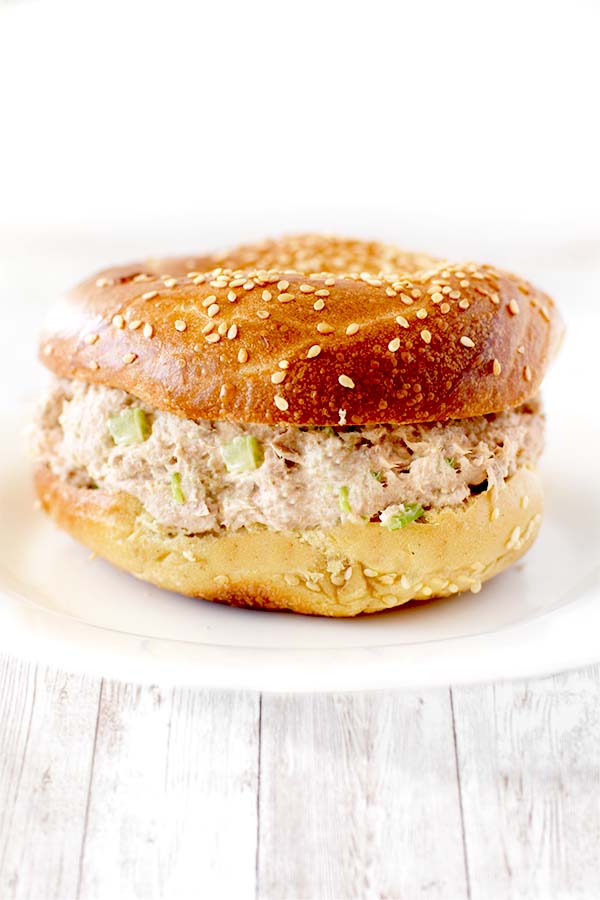
Deli-style tuna is a classic at deli and bagel shop counters in New York.
And you can almost always find this tuna salad on any table at vegetarian catered events and buffets, especially in New York City and Long Island.
But if you want some for home, why stand in line or pay deli prices when you can simply make it?
It's a budget-friendly, dairy-free recipe that's great anytime for a quick, easy-to-make meal.
You can eat it alone on a plate, as a side, or with a leafy salad. It's also terrific in a sandwich on rye bread, on white bread, in a roll, in a pita, or on a bagel.
It's the perfect light dinner after a busy day, and since it refrigerates well, you can easily make it to take for lunch to work or school and save money!
Variations
While I like to keep it basic and simple, there are several additional diced vegetables that can be added to this simple recipe.
These include onions (red, yellow, or green), pickles, relish, diced bell peppers, hard-boiled eggs, etc.
Some people spice up their tuna salad with salt, pepper, onion powder, garlic powder, etc. or add lemon juice, mustard, or minced garlic for flavoring. All to taste.
And celery has nutritional benefits too!
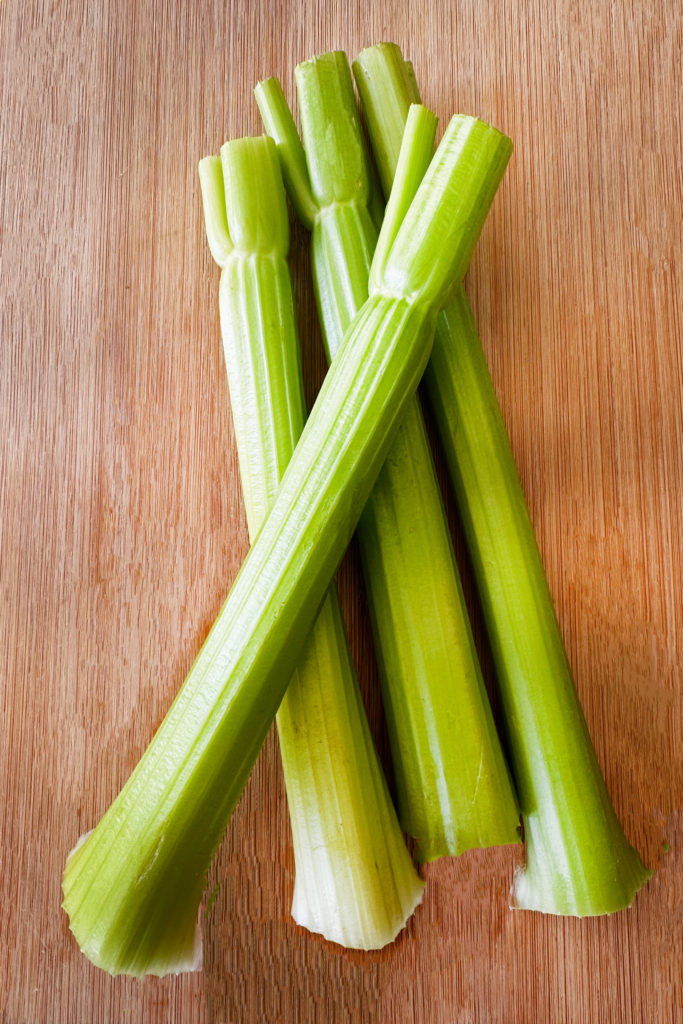
And tuna has nutritional value as well!
Frequently Asked Questions (FAQs) about tuna
1. What is the difference between albacore and chunk light tuna?
Albacore (often labeled "white" tuna) has a firmer texture, lighter color, and milder flavor. Chunk light tuna is usually made from skipjack, which is darker, has a stronger, more pronounced fish flavor, and a softer texture that flakes easily.
2. Is canned tuna healthy to eat every day?
While tuna is an excellent source of protein and omega-3 fatty acids, moderation is recommended due to potential mercury levels. Most health experts suggest that adults can safely consume canned tuna 2-3 times per week, rotating with other low-mercury fish options.
3. What does "packed in water" versus "packed in oil" mean?
Tuna packed in water contains fewer calories and lets the natural flavor of the fish shine, making it ideal for recipes with heavy dressings. Tuna packed in oil is richer, more moist, and has a softer texture, which can improve the mouthfeel of simple preparations or salads.
4. How should I store canned tuna once opened?
Once opened, canned tuna should be transferred to a clean, airtight glass or plastic container. It should not be stored in the original metal can, as the metal can affect the taste. Keep it refrigerated and consume it within 1-2 days for best quality.
Frequently Asked Questions (FAQs) about Tuna Salad
1. What is the best type of tuna to use for deli-style salad?
For a classic deli-style texture, solid white albacore packed in water is typically preferred. It provides firm flakes that hold their shape well when mixed with dressing, whereas chunk light tuna tends to become mushy.
2. How do I prevent tuna salad from becoming watery?
The most important step is to drain the tuna thoroughly before mixing. After opening the can, press the lid down firmly against the tuna to squeeze out all excess liquid. You can also place the drained tuna on a paper towel for a minute to absorb any remaining moisture.
3. How long does tuna salad last in the refrigerator?
Tuna salad should be stored in an airtight container and consumed within 3 to 4 days. Always keep it refrigerated at or below 40°F (4°C) and avoid leaving it at room temperature for more than two hours.
4. Can I make this tuna salad ahead of time?
Yes, it actually benefits from resting in the refrigerator for about 30 minutes before serving. This allows the flavors of the celery, onions, and seasonings to fully meld with the tuna and dressing.
5. Which is the best mayonnaise to use for tuna salad?
Like many things, your choice of mayo is, well, your choice. I personally prefer to use Hellmann's/Best Foods (same mayo, different name, depending on where you are in the US) mayo.
Some useful cooking terms
What does it mean when recipes say "to taste" about an ingredient?
When recipes say "to taste," it means that you can put in as little or as much as you like to your own taste. Some recipes have many ingredients that a cook can adjust to their own taste when cooking (not so much when baking though).
The best way to calculate what your taste is with a recipe that you are not yet familiar with is to first taste the dish and then add the "to taste" ingredient GRADUALLY, a little at a time-a splash of this or a pinch of that-until the dish is just the way you like it. Make sure to stir the ingredient after each time you add it so that the flavor will distribute evenly and become part of the dish. Then taste again. Repeat until you reach your personal preference.
Note: If you plan on using the recipe again, it is highly recommended to make a note of what and how much you added so that you can refer to it next time.
What does it mean when a recipe says that an ingredient is "optional"?
If an ingredient is "optional," it means that you can add it in or not based on your own preference. An optional ingredient can be flavor-related (i.e., salty, sweet, spicy, etc.), appearance-related (garnish), or even something like nuts or chocolate chips in baking.
What is needed for this recipe?
I hardly ever meal plan, so I like to keep a cupboard full of seasonings, spices, veggies, and canned goods in my kitchen to use whenever the mood strikes.
But these are all you need to have on hand to make this recipe even last minute!
10 ounces (2 5-ounce cans) tuna in water
mayonnaise (preferably Best Foods/Hellman's)
celery stick
Love deli-style salads?
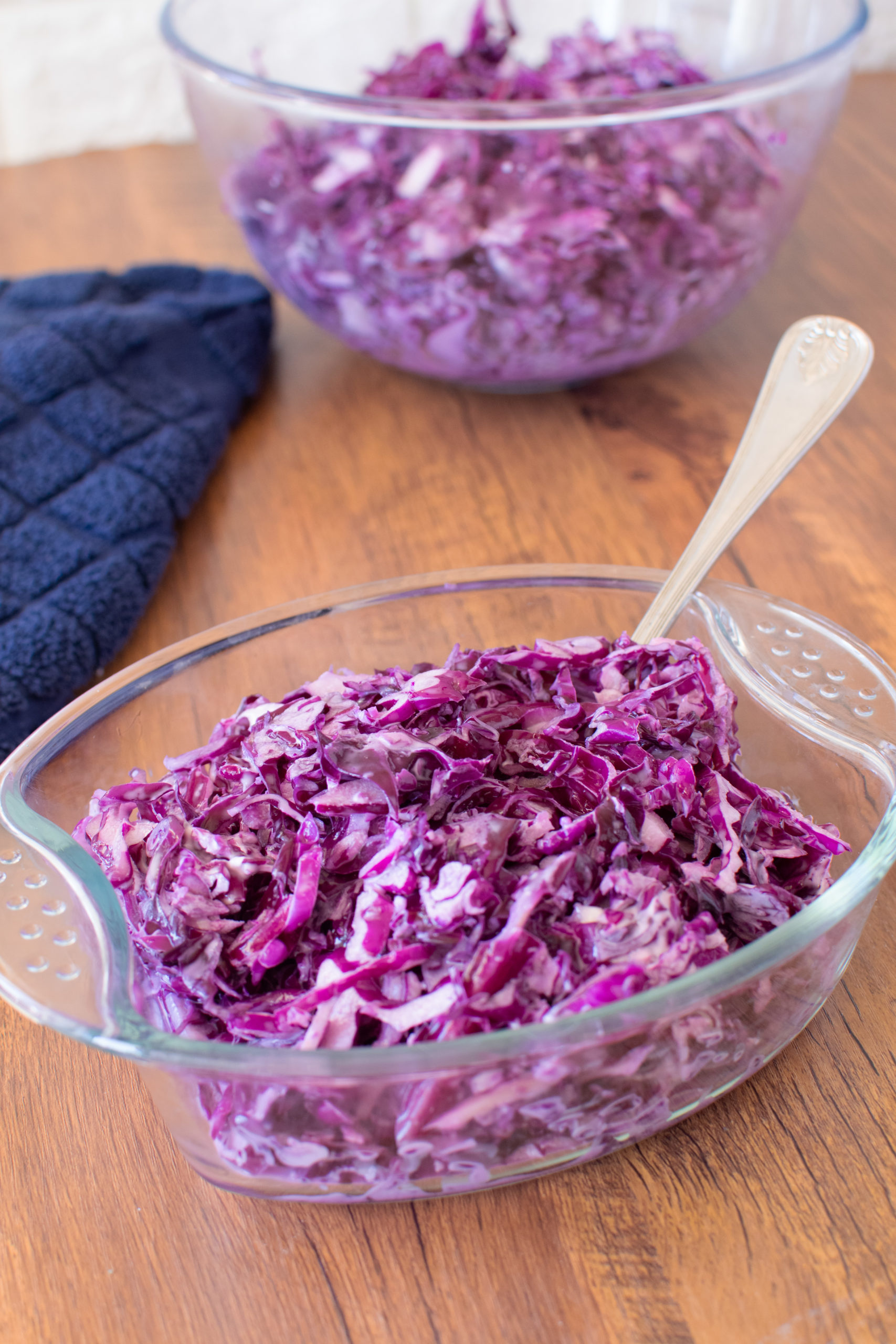
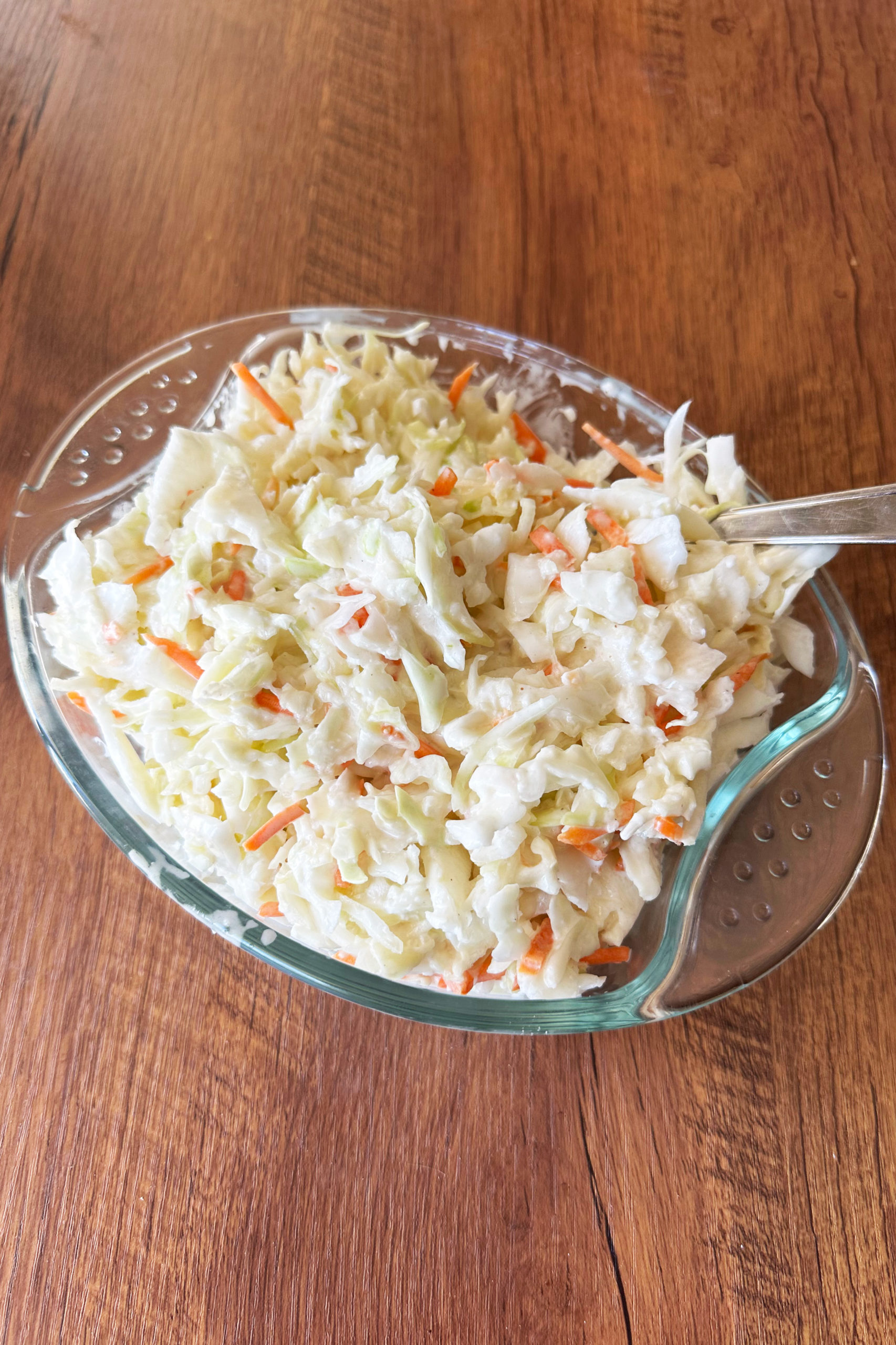
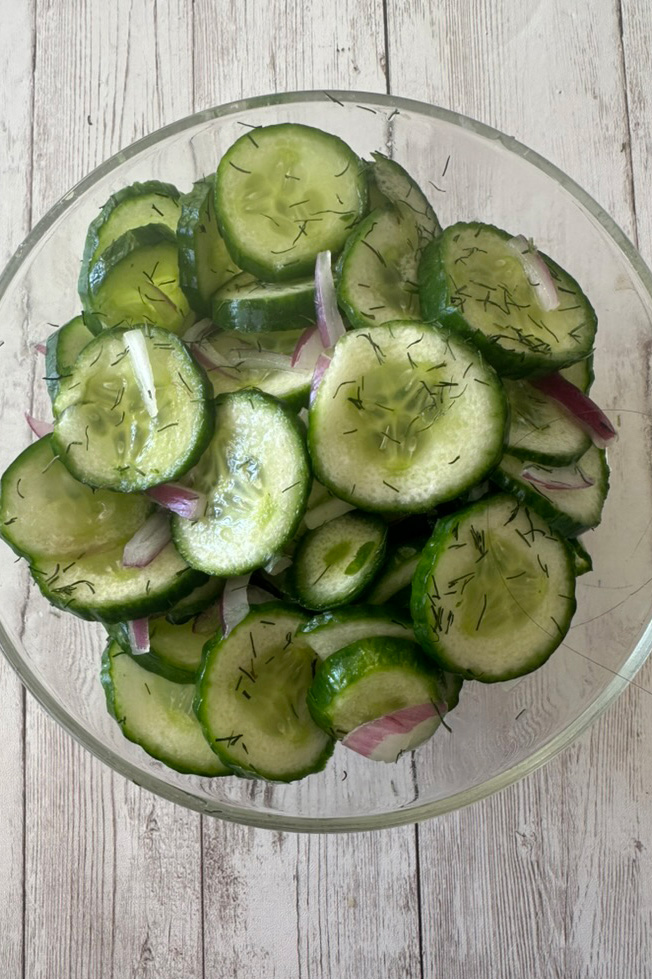
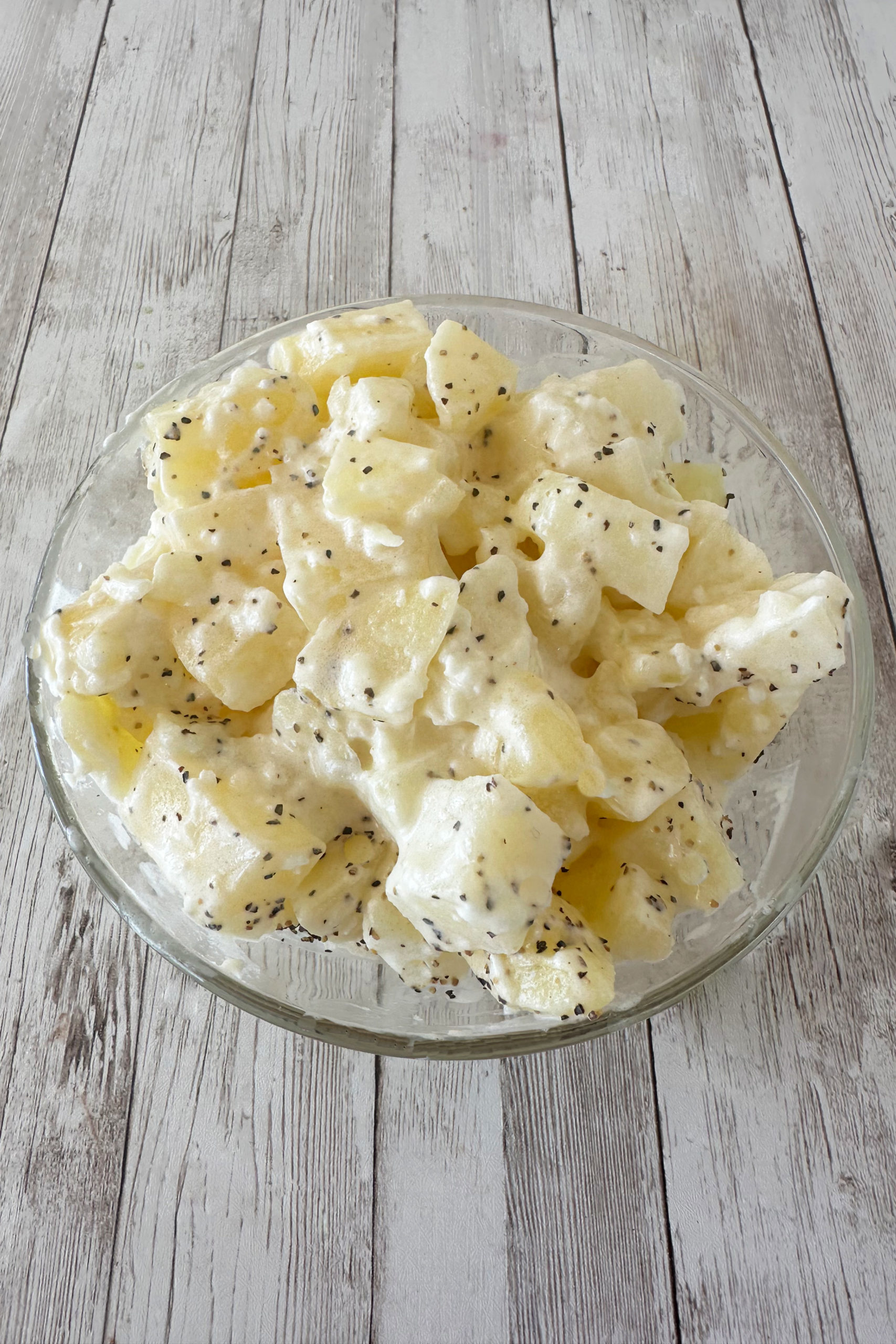
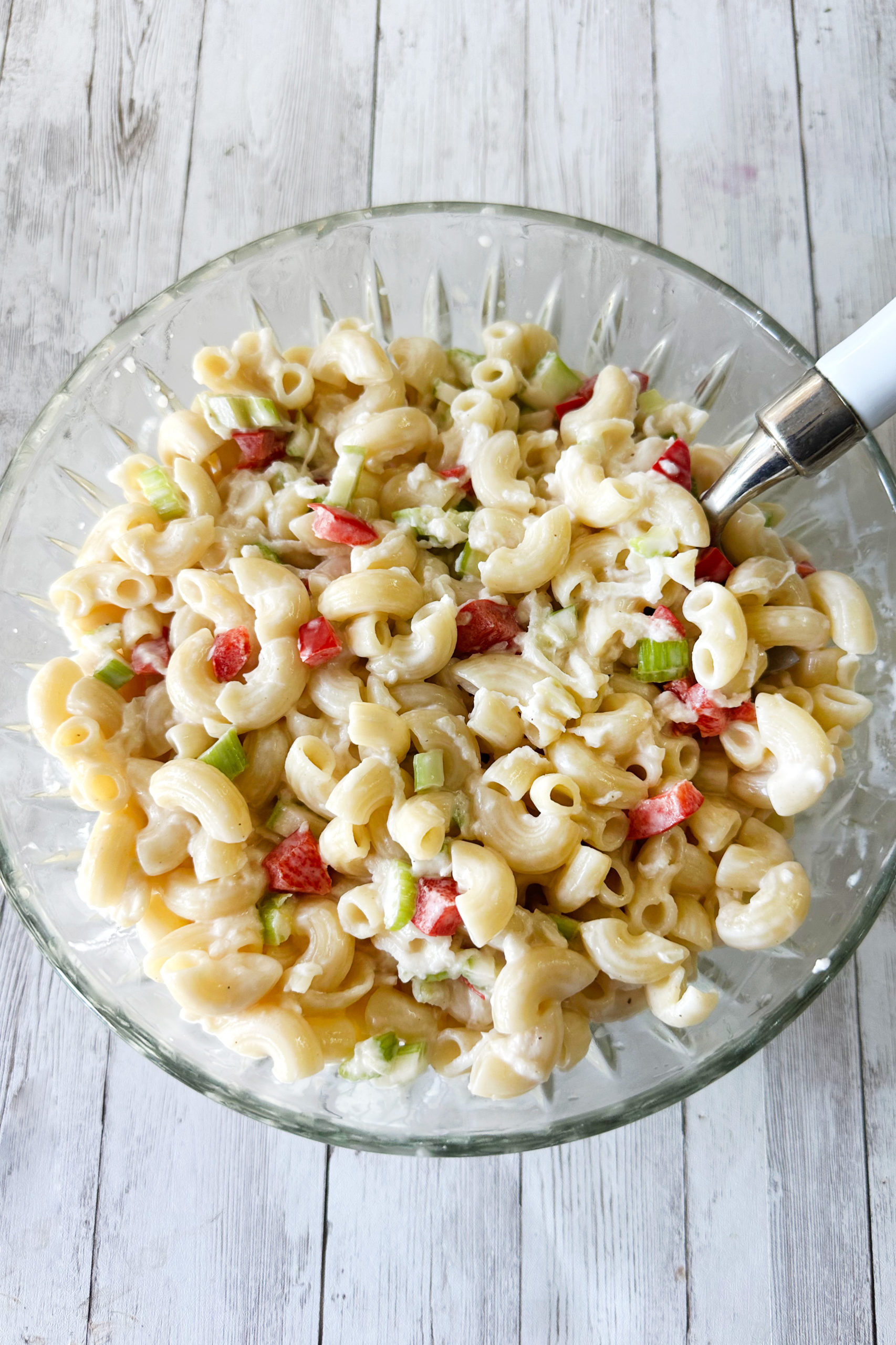
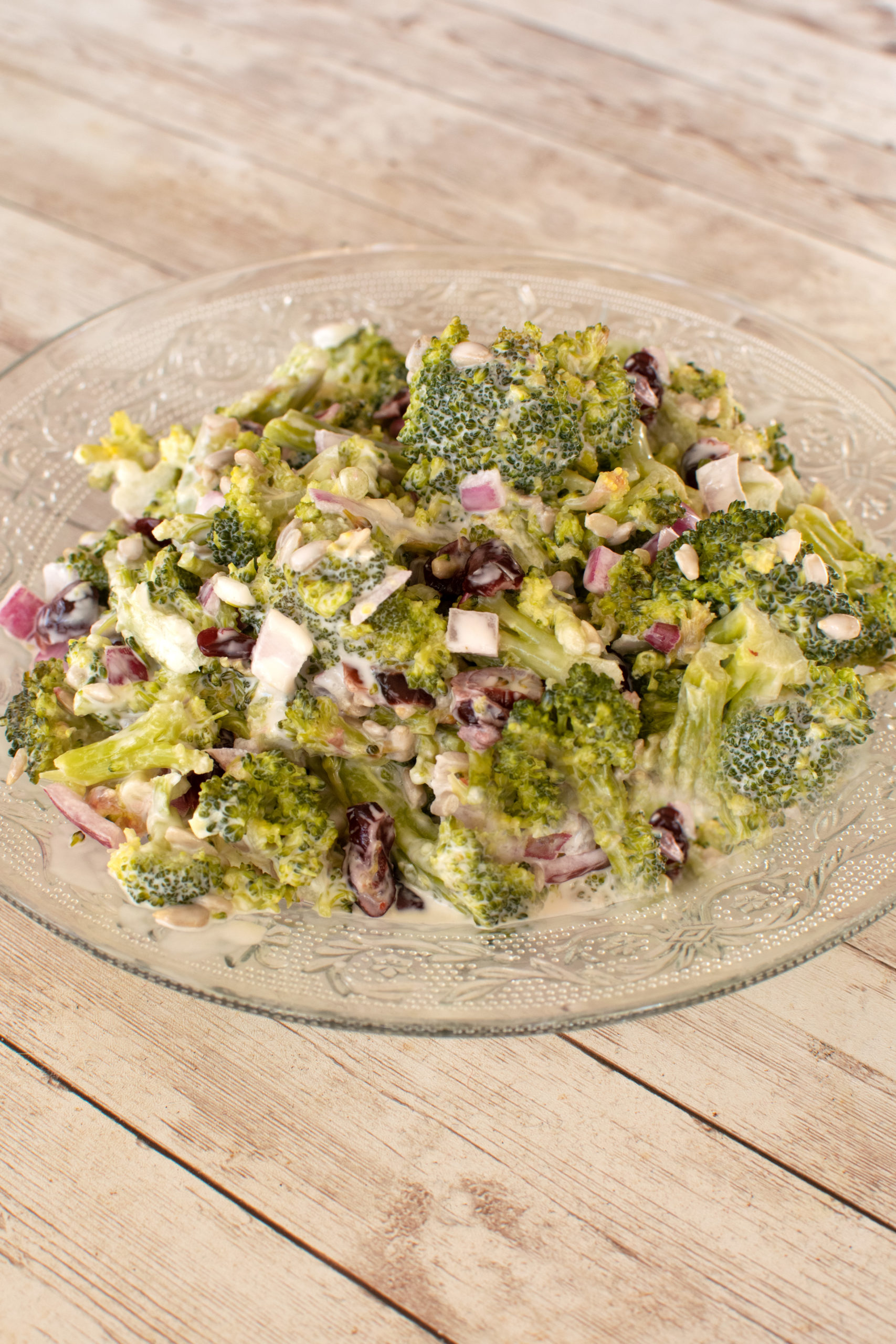
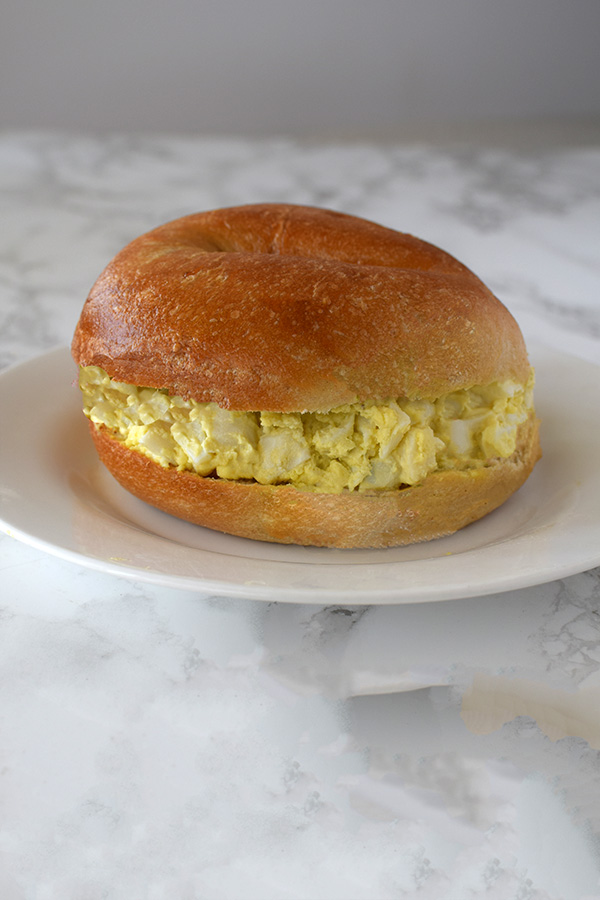
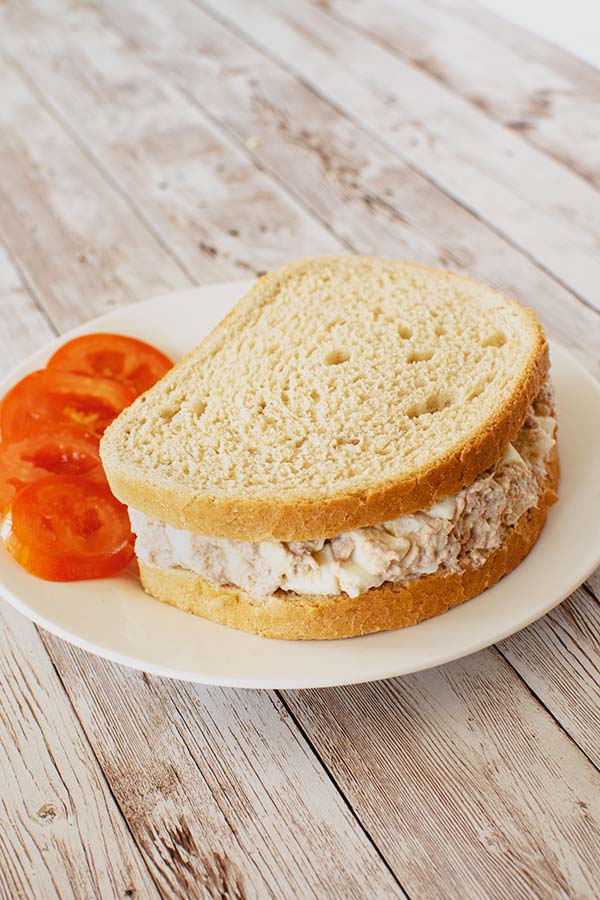
Potato chips and dip go great with a deli-tuna sandwich. So, try these terrific dips!
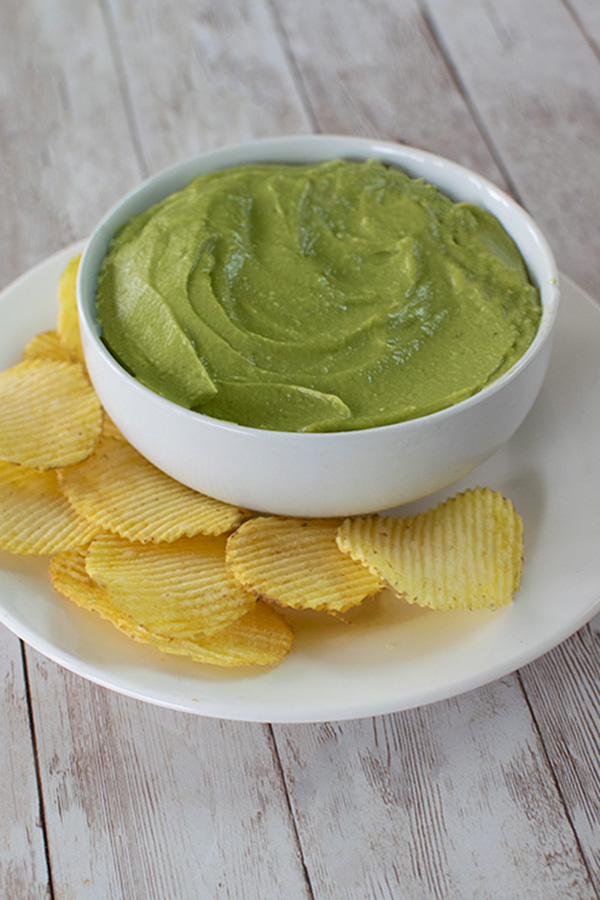
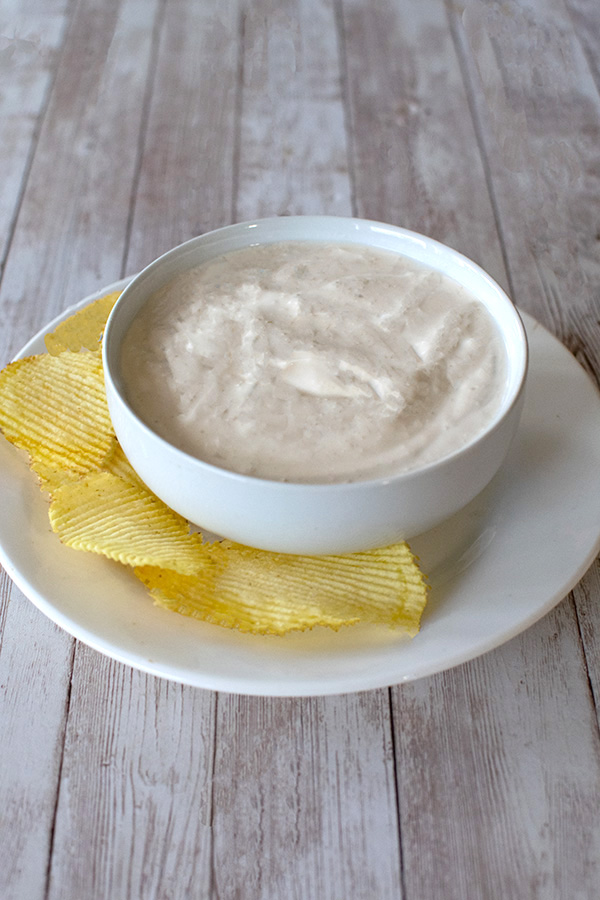
Easy New York Deli-Style Tuna Salad Recipe
Delicious and easy, 3-ingredient tuna salad like in NY delis and bagel shops! Terrific as a sandwich and perfect for picnics!
Ingredients
- 10 ounces (2 5-ounce cans) tuna in water, drained well
- ½ cup mayonnaise (for less calories, use less mayonnaise or low fat mayonnaise)*
- 1 celery stick, diced very small
Instructions
- Put tuna in blender or food processor or mash well with a fork.**
- Place in a bowl, combine well with mayonnaise.
- Mix in the celery.
- If you are going to want to serve cold, chill for a little while before serving.
Notes
*The best mayonnaise to use is Best Foods or Hellman's (they are the same, just with different names depending on where you live in the US).
**Deli tuna salad uses very fine tuna pieces, but how you prepare yours depends on how fine you want your tuna. For more fine, use the blender. For less, use a fork.
Nutrition Information:
Yield:
2Serving Size:
1Amount Per Serving: Calories: 377Total Fat: 41gSaturated Fat: 6gTrans Fat: 0gUnsaturated Fat: 34gCholesterol: 23mgSodium: 413mgCarbohydrates: 1gFiber: 0gSugar: 1gProtein: 1g