Easy 5-ingredient Charoset for Passover is a delicious recipe of apples, nuts, cinnamon, and wine.
It takes only around 10 minutes to prepare!
The hardest part of this recipe is peeling the apples! That’s how simple it is!
It’s perfect for your seder plate!
And it’s so good, you’ll want to eat it with a spoon, like dessert!
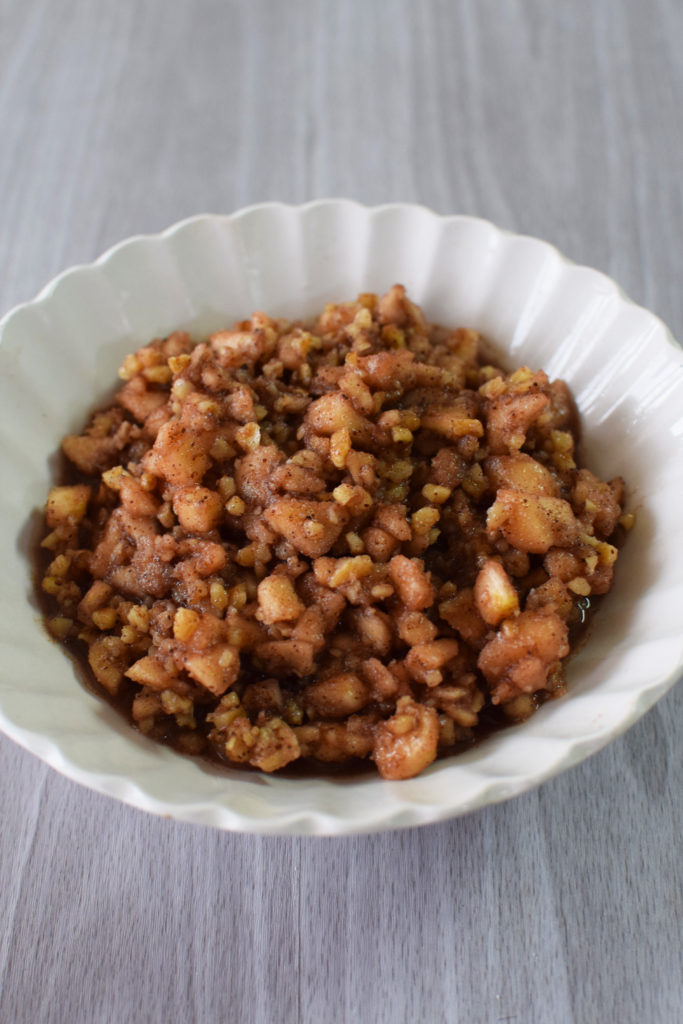
Passover is a lot of work with all of the cooking and cleaning and such. And that’s even if one doesn’t have guests!
So, why not make life a little easier and use simple recipes?
This Charoset for Passover recipe is and easy-to-make and delicious recipe that will enhance any seder, especially since it MUST be on the seder plate! It’s also great if you are a guest and want to bring a treat with you.
Charoset for Passover is SO good that my family doesn’t just dip in it. They eat it with a spoon!
And you know what? It can make a nice snack on the day of the seder because it contains no matza!
Eating on the day of the seder
Jews who keep the laws of Passover do not eat matzo or any foods that contain anything from matzo (such as matzo meal or matzo cake meal) the entire day before the seder, which is in the evening.
Some people even have the custom of not eating such foods for two weeks before, beginning on Rosh Chodesh Nissan or even as far back as Purim, which is a month before.
Besides the benefits listed above, there are nutritional benefits to apples and to walnuts!
And Easy Charoset is dairy-free and vegan!
Food on Passover
Torah-observant Jews do not eat chametz (the fermented products of five grains: wheat, spelt, barley, oats, and rye).
In addition, Torah-observant Ashkenazi Jews do not eat kitniyot (or kitniyos as pronounced in Ashkenazi Hebrew). These include legumes, corn, rice, and similar foods that were deemed forbidden to eat by rabbis in the medieval period and are still not eaten today. Sephardi and Mizrachi Jews do not follow this tradition.
Many observant Ashkenazi Jews will not even eat the derivatives of these kitniyot, while others do (each family holds their own traditions regarding this).
Then, there are Ashkenazim who don’t eat “gebrokts” (or gebrochts).
Gebrokts (gebrochts) means “broken” in Yiddish, and in this case refers to matzo that has absorbed liquid. Not eating gebrokts is observed by many in the Hasidic Jewish community and Ashkenazim who have taken on this tradition, where they basically don’t mix anything wet with matzo.
So, things like matzo sandwiches, fried matzo, and even matzo balls are a no-no for them.
There is a joke that sums it all up:
On Passover, we should remember people who have little to eat on this holiday. They are called Ashkenazim.
This charoset recipe is very simple and so good, you might want to have it for dessert!
And, later, having terrific matzo balls is one of the best parts of dinner!
Having pantry essentials in your Passover kitchen
As I learned to prepare more and more recipes for Passover, I also learned which basics and seasonings are good to have on hand to have the ability to make a dish on short notice—especially during the holiday—and not have to run out to the store or borrow from a neighbor.
While I will admit that I am not always prepared when one of my kids will ask for eggplant parmesan or something at the drop of a hat (which they have done), I dislike having to postpone making something just because the ingredients needed to make a reasonable meal were not readily available.
So, I maintain a selection of what I consider “kosher for Passover pantry essentials” in my refrigerator and on my shelves during the week of Passover (some of the dry goods I keep from year to year, stored well).
While, of course, most of the essentials will not be needed just for any one recipe, at least some of them are needed for most recipes, and you would be surprised how many recipes can be made just with this list. So, if you make sure to have whatever you use regularly on hand, it can really save you time and effort.
Everyone has their favorite recipes, preferred seasoning, and just whatever they like to use to cook. Your own list should certainly reflect your own cooking tastes and style. Just make sure that everything is Kosher for Passover (or KLP—Kasher L’Pesach, in Hebrew) and if you are Ashkenazi, that list will be shorter than if you are not.
Make sure to check with a qualified rabbi if you have any questions.
Why is it beneficial to have pantry essentials on hand?
Personally, having the above ingredients in my kitchen is very advantageous, as I make a variety of dishes and use most of the items on the list regularly.
Whether or not buying a bunch of herbs, spices, etc., before you know what you are going to make for the week is workable for you depends on your own personal preference.
Of course, the more you cook and the more varied your recipes, the more you will use, and the more you will need.
If you plan your meals ahead for the week, you will be prepared with whatever else you might need that you wouldn’t even normally keep in your Passover pantry.
Easy 5-ingredient Charoset for Passover (10 minutes)
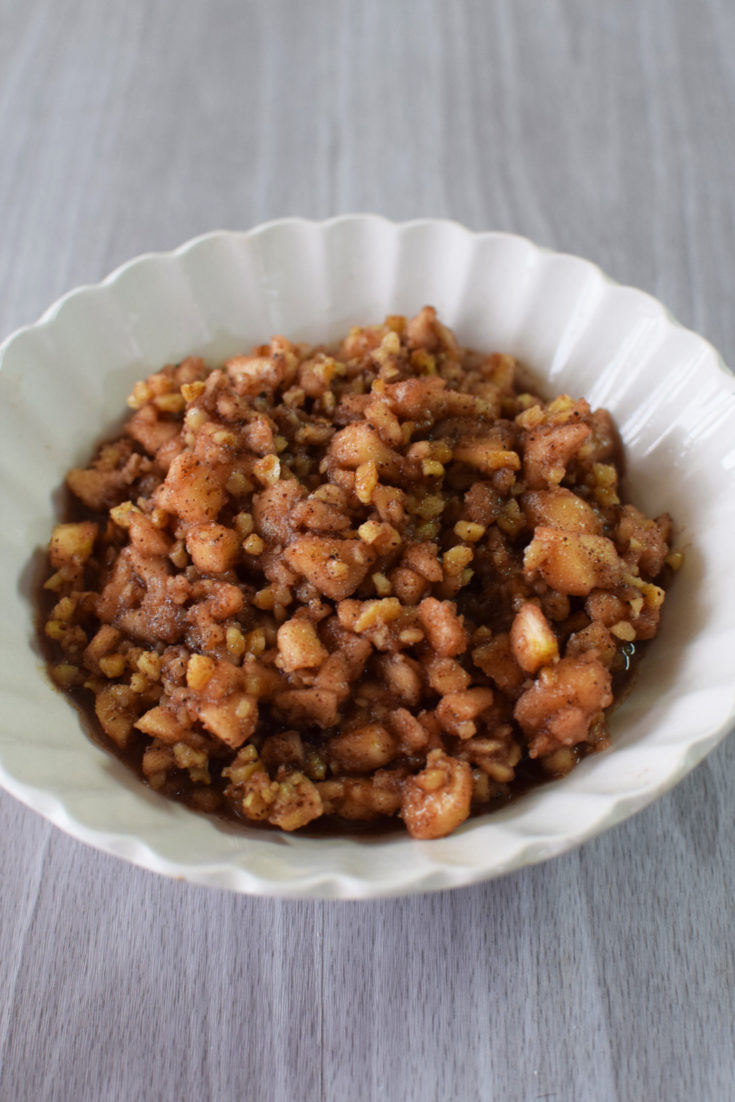
5-ingredient, 10-minute, charoset that's so good you'll want to eat it with a spoon!
Ingredients
- 2 medium apples, peeled, cored, and diced small (or very small, to your taste)
- 4 teaspoons cinnamon
- 1 cup ground or walnuts chopped small
- 1/2 cup white granulated sugar
- 1/2 cup sweet wine
Instructions
- Combine the diced apples, cinnamon, ground walnuts, and sugar in a medium or large bowl.
- Fold in the wine.
Nutrition Information:
Yield:
4Serving Size:
1Amount Per Serving: Calories: 345Total Fat: 17gSaturated Fat: 2gTrans Fat: 0gUnsaturated Fat: 15gCholesterol: 0mgSodium: 2mgCarbohydrates: 44gFiber: 5gSugar: 35gProtein: 4g