Apple cinnamon muffins topped with cinnamon sugar have the classic warm and cozy flavor of autumn. They're also dairy-free, made without milk or butter.
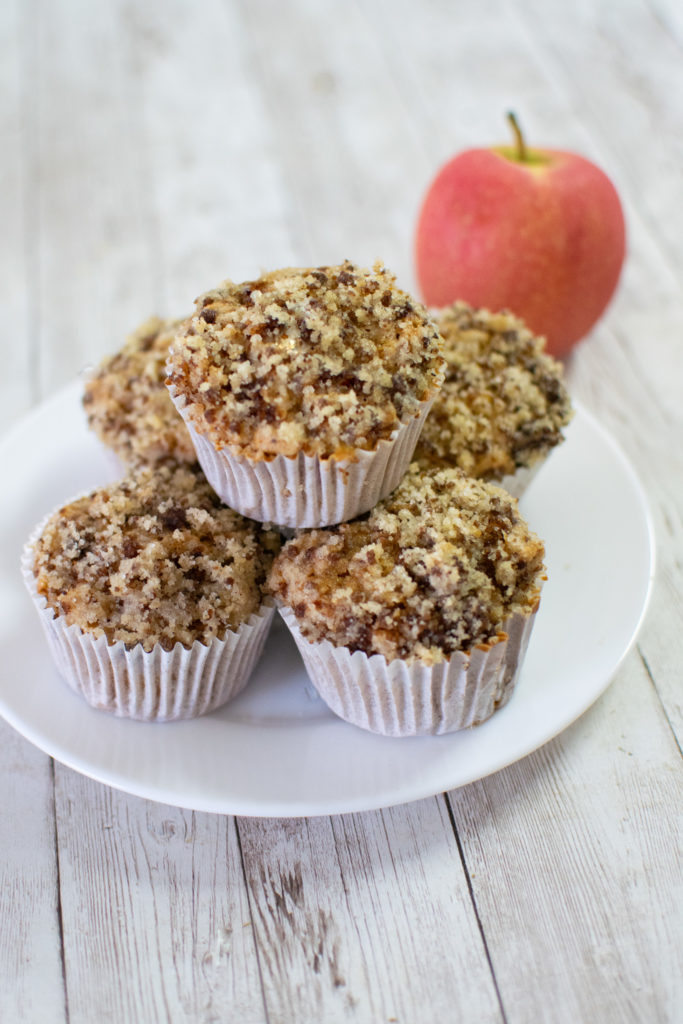
Dairy-free apple cinnamon muffins are a delicious baked treat that combines the best autumn flavors and smells of cinnamon and apples.
But they're a cozy treat any time of the year!
They're terrific with your morning coffee, as a snack at work or school, or as a comforting treat at the end of a busy day.
Plus, they're easy to make, and since they contain no milk or butter, they're terrific for anyone avoiding dairy.
And even though they are made without milk or butter, they still go great with your morning coffee, a cup of tea, or a cold glass of milk.
Dairy-free apple cinnamon muffins are also an excellent treat for get-togethers and guests!
Jump to:
What is needed to make cinnamon apple muffins?
all-purpose flour
apples (any kind) or applesauce
white granulated sugar
eggs
cooking oil
brown sugar
vanilla extract or a good imitation
ground cinnamon
baking soda
salt
Frequently Asked Questions (FAQs)
Are apple cinnamon muffins dairy-free?
Yes, these apple cinnamon muffins are dairy-free. They're made without milk or butter, making them a delicious option for anyone avoiding dairy.
What are the best apples for apple cinnamon muffins?
Firm apples such as Granny Smith, Honeycrisp, or Pink Lady work well in apple cinnamon muffins. They hold their shape during baking while adding plenty of fresh apple flavor.
Should I peel the apples for apple cinnamon muffins?
Yes, peeling the apples is recommended for these muffins. The peeled apples blend more smoothly into the tender muffin and give the finished texture a more consistent bite.
How do you keep apple cinnamon muffins moist?
The ingredients and baking time both help keep these apple cinnamon muffins moist. Be careful not to overbake them, as this can result in dry muffins.
Can I make apple cinnamon muffins ahead of time?
Yes, you can make apple cinnamon muffins ahead of time. Store them in an airtight container at room temperature so they're ready to enjoy for breakfast or a snack.
How should I store apple cinnamon muffins?
Store apple cinnamon muffins in an airtight container at room temperature for several days. For longer storage, you can freeze them and thaw them at room temperature before serving.
What's Interesting About Apples?
Apples are naturally fat-free and rich in nutrients, including fiber, vitamins, and antioxidants. They are also associated with several potential health benefits, including supporting heart health and digestion. Health benefits of apples
Apples originated in Central Asia, where wild apples grew thousands of years ago. They spread along trade routes such as the Silk Road and have since been cultivated into thousands of varieties around the world. Only a few dozen varieties are commonly found in grocery stores.
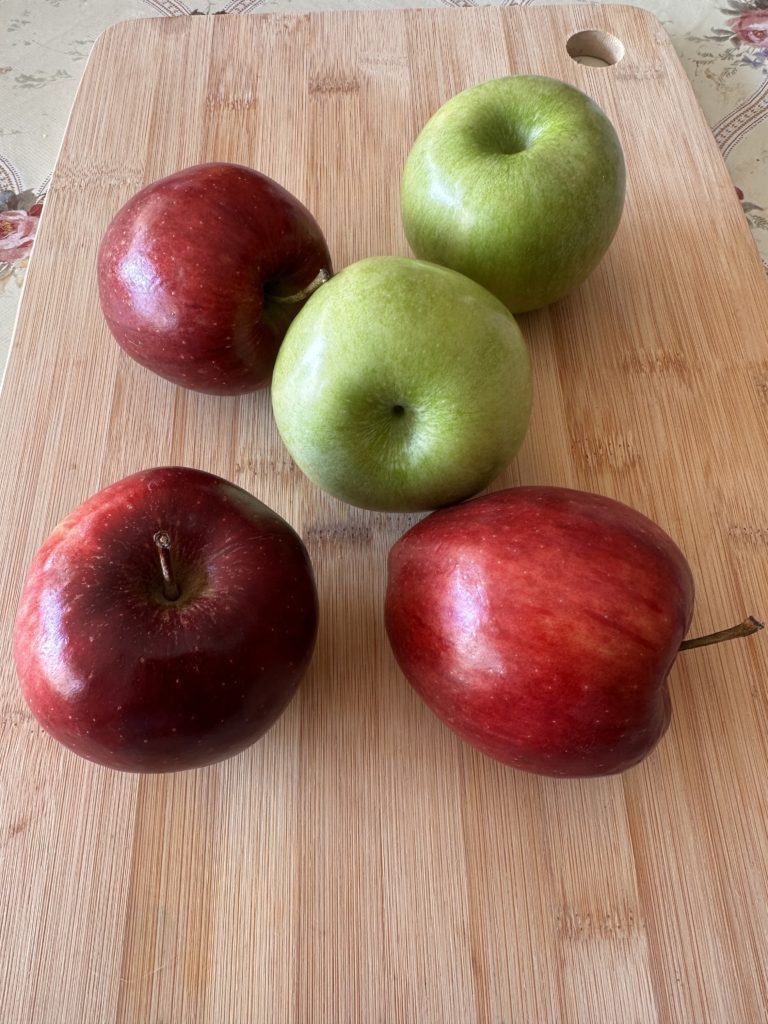
Some popular types include Granny Smith, Red Delicious, Honeycrisp, Gala, Pink Lady, and Jonathan. Different varieties have different flavors, textures, colors, and levels of sweetness.
Apples are delicious eaten fresh, but they're also used in countless recipes and products, including baked goods, salads, smoothies, and cider.
Which apples are best for baking?
Many apple recipes call for Granny Smith apples because they are tart, firm, and hold their shape well when baked instead of becoming overly soft. Pink Lady apples are another good choice because they are firm with a balanced sweet-tart flavor.
Honeycrisp is sweeter and very crisp, while Gala apples have a milder sweetness and softer texture. The variety you choose can change both the flavor and texture of an apple dessert.
Contrary to popular belief, apples are not native to North America. European colonists brought apple trees and seeds to North America, where apples became an important food crop. Apple orchards became widespread, and cider was a common drink among early settlers.
Who hasn't heard the legend of Johnny Appleseed? He was a real person named John Chapman, who became famous for planting and distributing apple seeds throughout parts of the United States. Many of the apples associated with his plantings were intended for making cider rather than for eating fresh.
Apples are also famous for their seeds, which contain a naturally occurring compound called amygdalin. When apple seeds are crushed and digested, amygdalin can release cyanide. Accidentally swallowing a few whole apple seeds is generally not considered a cause for concern, but apple seeds should not be intentionally eaten, especially by children or pets.
Do you love apple baked goods?
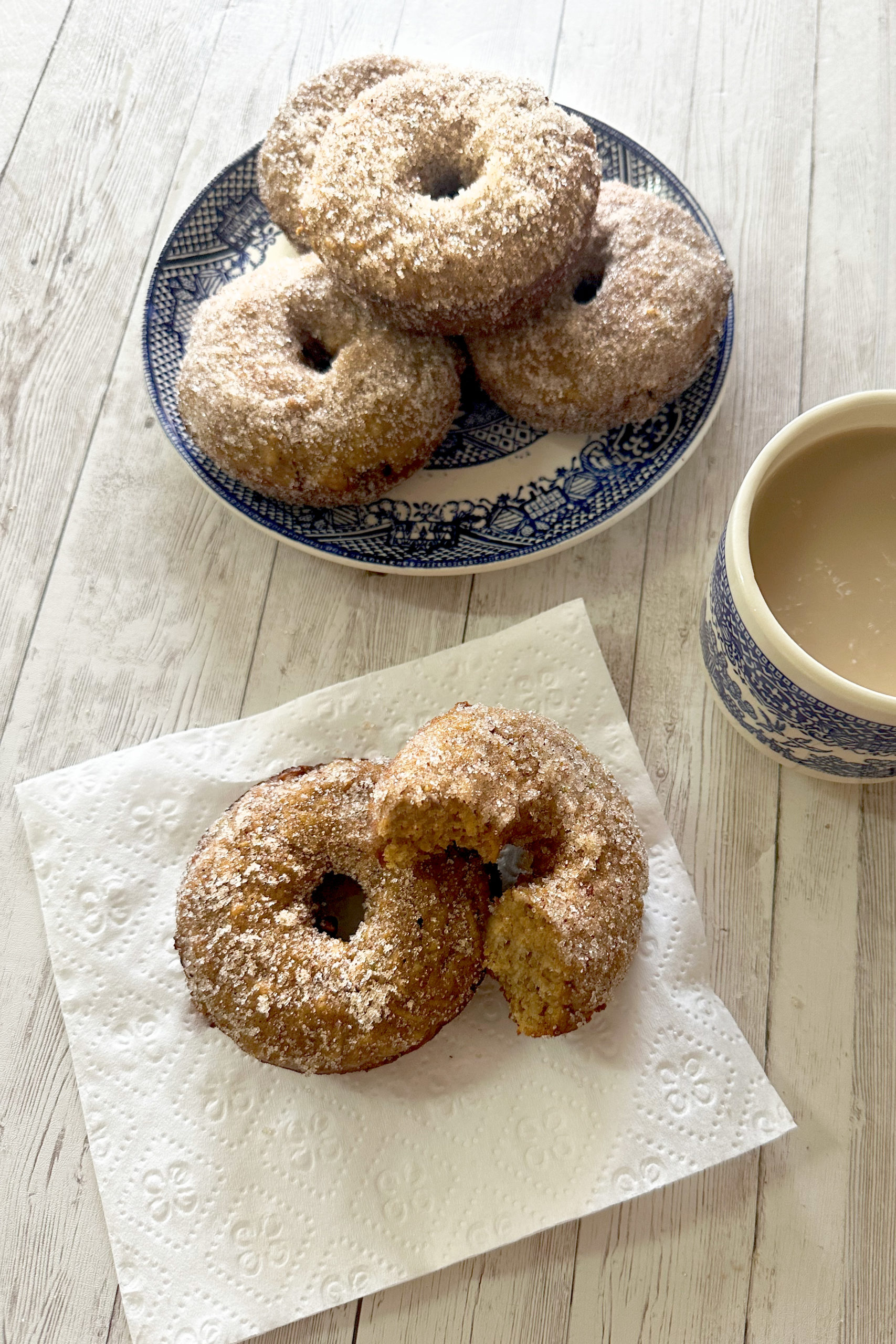
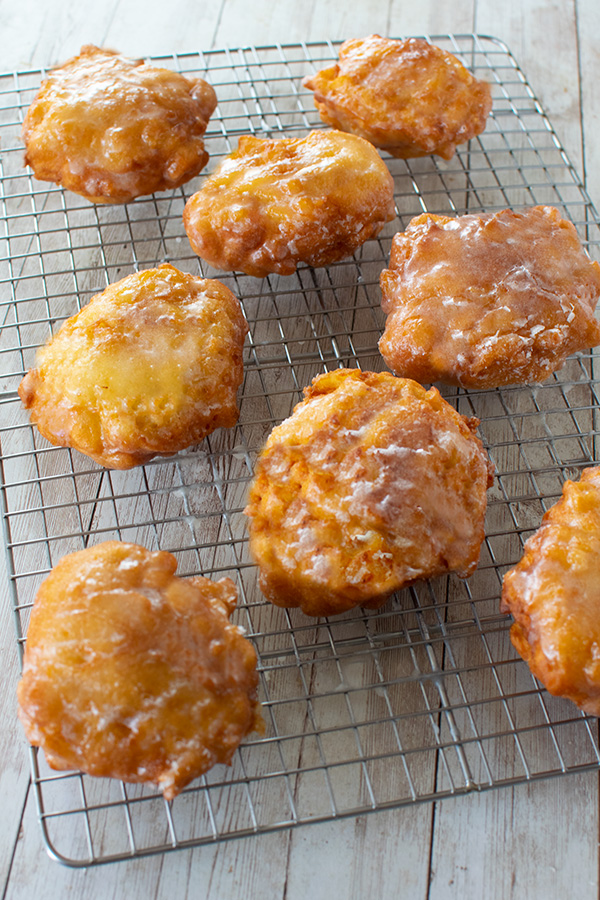
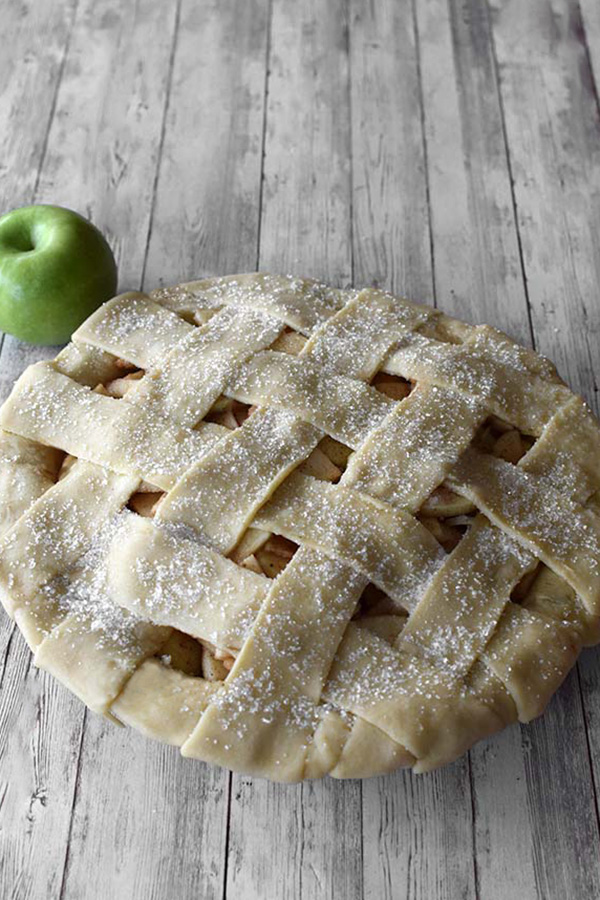
Love muffins?
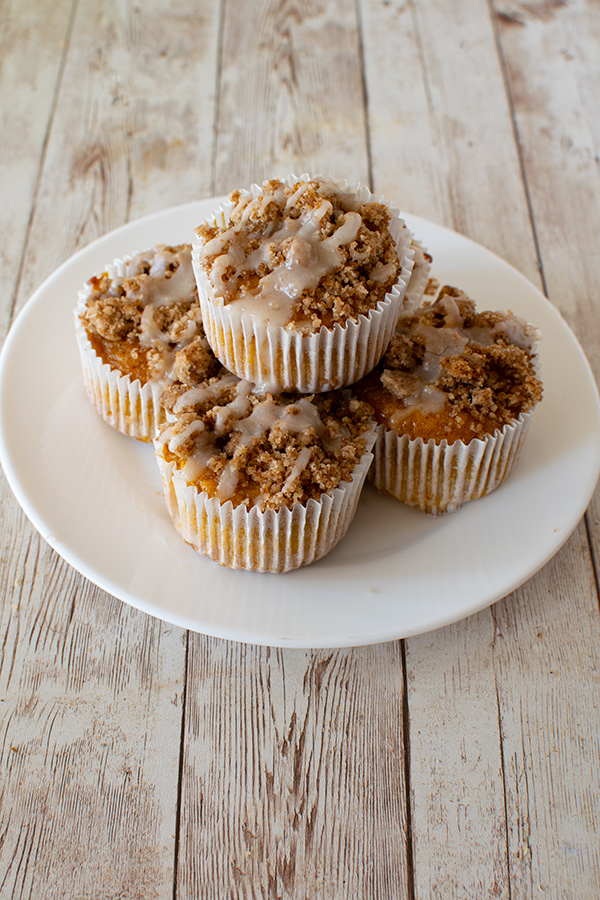
Apple Cinnamon Muffins Recipe
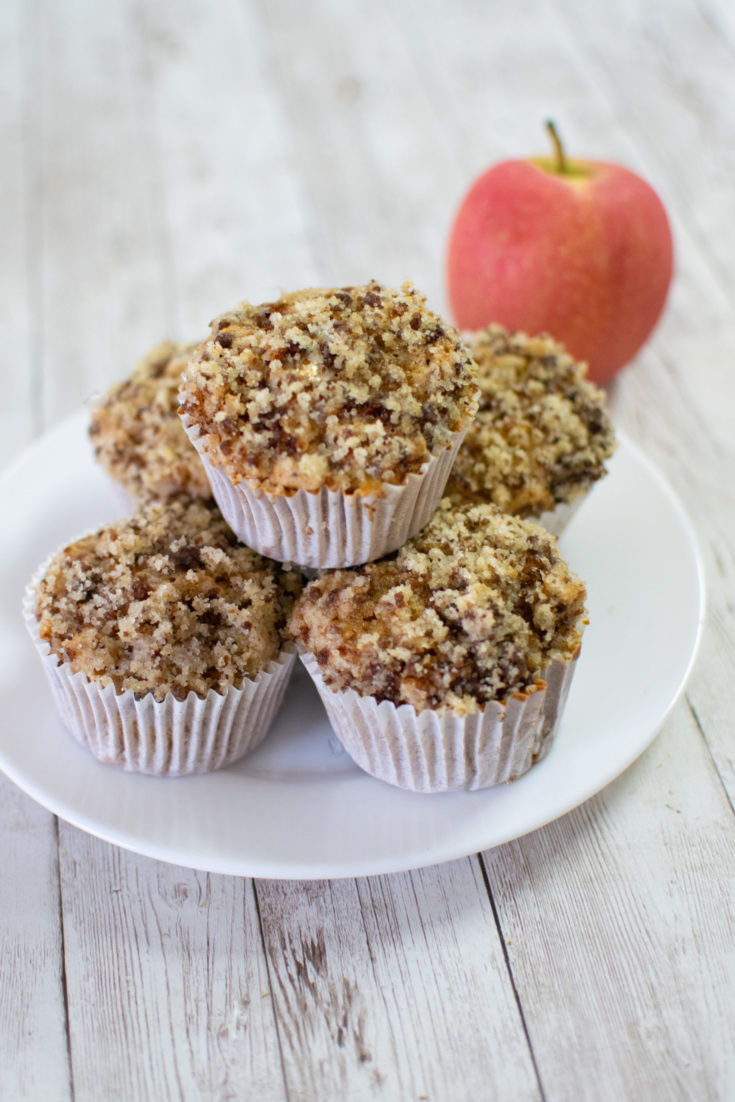
Delicious, easy, and dairy-free muffins with the warm flavor of apples and cinnamon, made without butter or milk.
Ingredients
Muffins
- 1½ cups of all-purpose flour
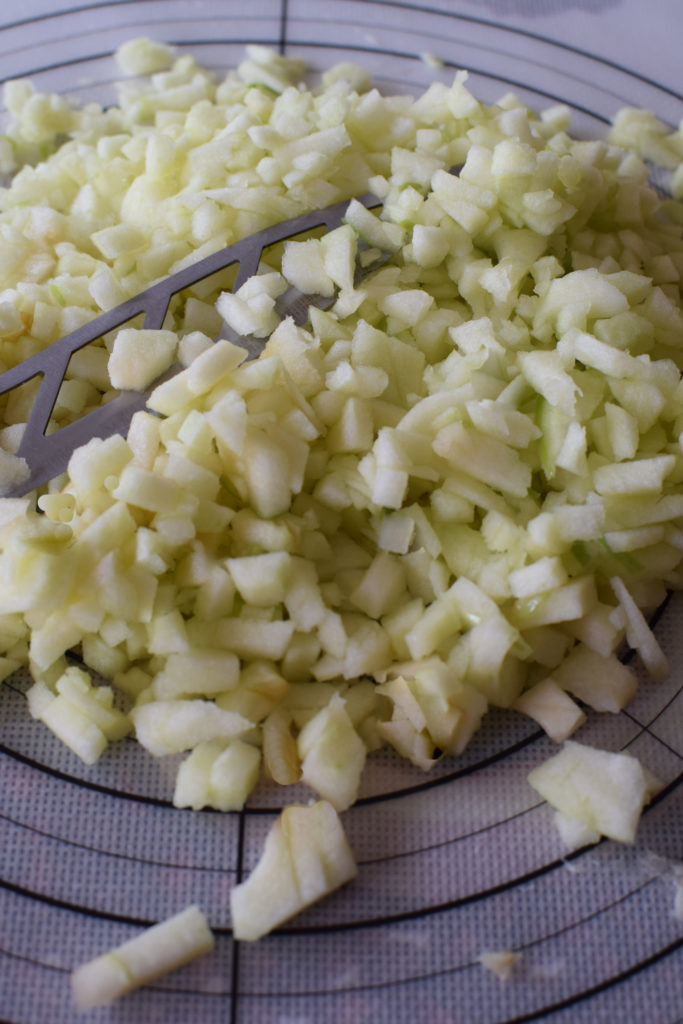
- 1 cup of peeled apples (any kind), diced small (or ½ cup applesauce)
- ¾ cup white granulated sugar
- 2 eggs
- ½ cup water
- ¼ cup cooking oil
- 1 tablespoon brown sugar
- 1 teaspoon of vanilla extract or good imitation
- 1 teaspoon ground cinnamon
- ½ teaspoon of baking soda
- ½ teaspoon of salt
Topping
- 2 tablespoons white granulated sugar
- 1 teaspoon ground cinnamon
- OR
- 2 tablespoons brown sugar
Instructions
- Combine flour, sugar, brown sugar, cinnamon, baking soda, and salt in a bowl.
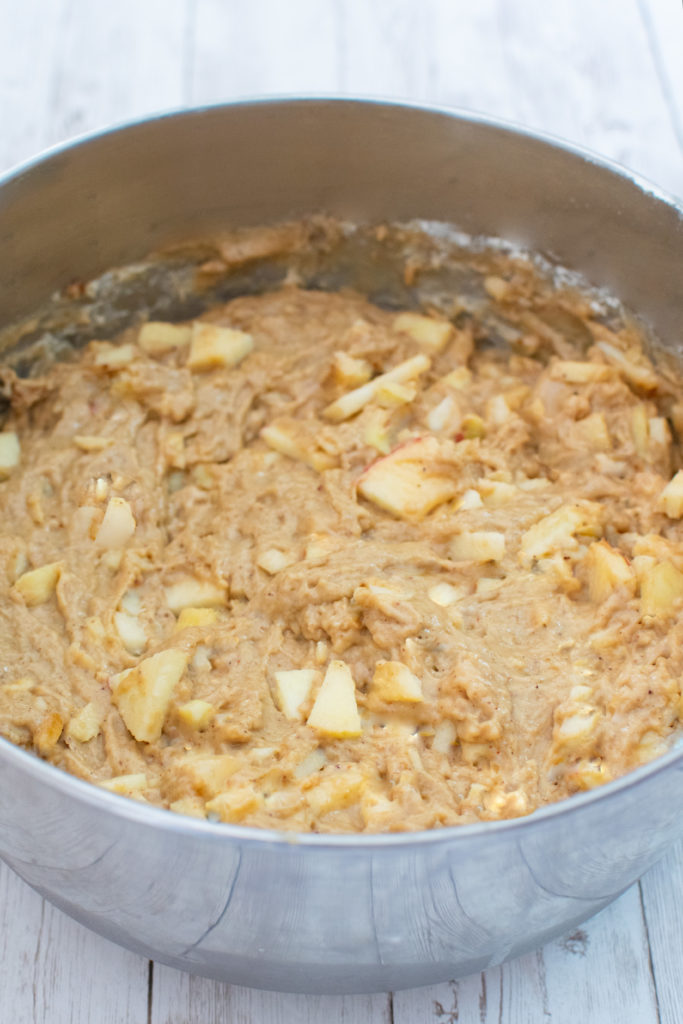
- Add the eggs, water (or milk substitute), oil, and vanilla extract and mix well.
- Fold in the diced apple or applesauce.
- Divide equally between the cups of a greased or papered muffin tin.
- Sprinkle on the combined sugar and cinnamon or brown sugar for the topping.
- Place in an oven that has been pre-heated to 350 °F and bake for 20-30 minutes or until a toothpick inserted to the center comes out clean.
Nutrition Information:
Yield:
12Serving Size:
1Amount Per Serving: Calories: 323Total Fat: 21gSaturated Fat: 3gTrans Fat: 3gUnsaturated Fat: 17gCholesterol: 31mgSodium: 164mgCarbohydrates: 31gFiber: 1gSugar: 18gProtein: 3g