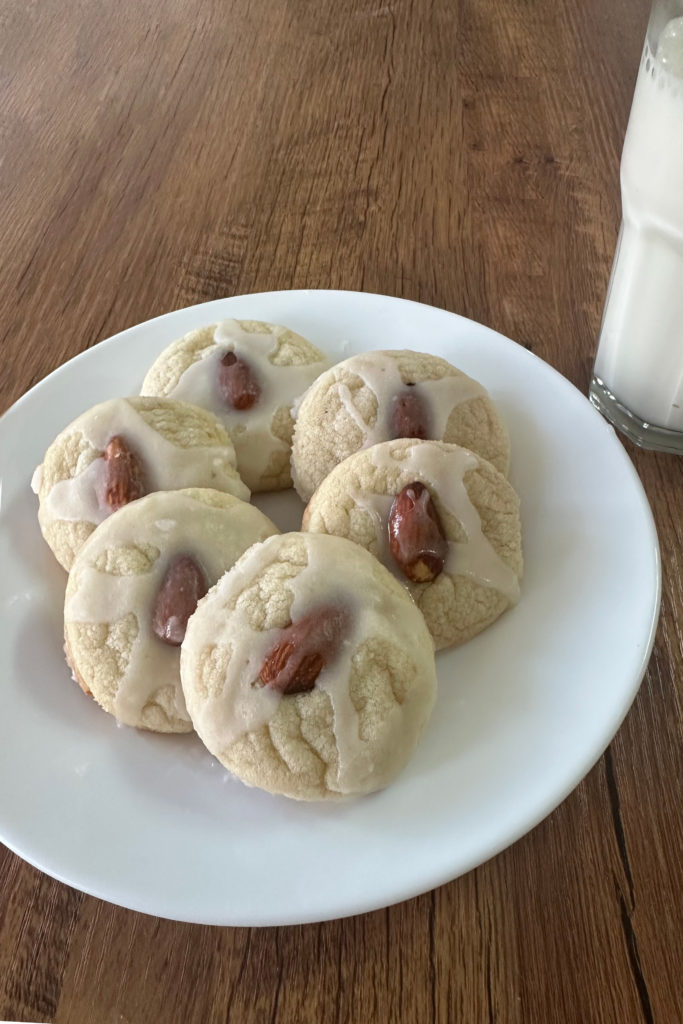
Chinese Almond Cookies are an easy, homemade, dairy-free version of the classic bakery and takeout almond biscuit treat. They're made without lard, butter, or eggs, making them vegan.
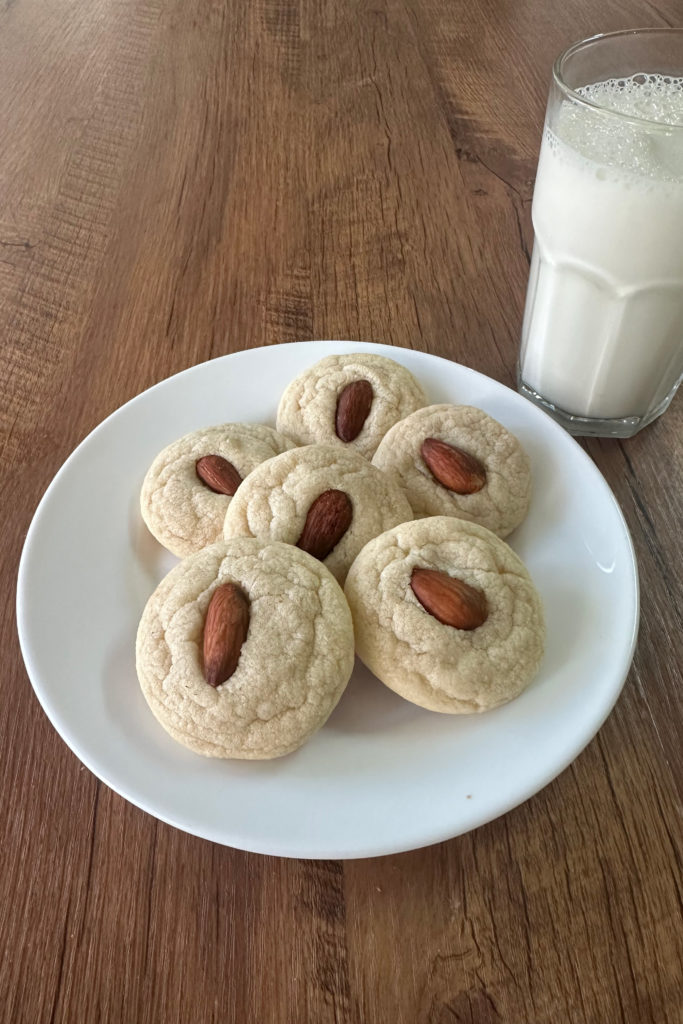
Chinese almond cookies are a sweet treat commonly sold at Chinese bakeries, served at Lunar New Year celebrations, and found on the dessert menu at traditional Chinese restaurants.
They may even show up as dessert alongside your takeout meal!
Traditional almond cookies are often made with butter or lard, but this version contains neither. And because they're also made without eggs, they're vegan.
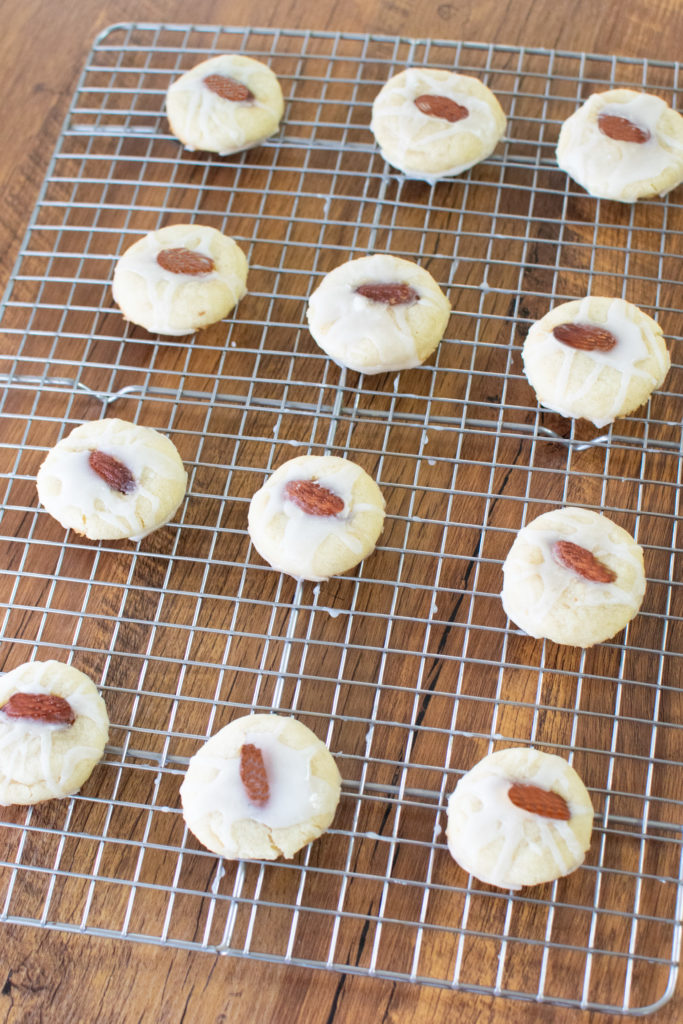
You can leave them plain or add a delicious glaze for a little extra sweetness.
Jump to:
What is needed to make Chinese almond cookies?
I hardly ever meal plan, so I like to keep a cupboard full of flour, seasonings, spices, veggies, and canned goods in my kitchen to use whenever the mood strikes.
But these are all you need to have on hand to make this recipe even last-minute!
all-purpose flour
confectioners' sugar (powdered sugar)*
cornstarch
salt
baking powder
dairy-free margarine or other dairy-free butter alternative
almond extract (a good imitation is fine)
whole almonds (half almonds is fine too-this is for the top)
Frequently Asked Questions (FAQs)
Can I make these almond cookies ahead of time?
Yes. You can bake these cookies in advance and store them in an airtight container at room temperature for up to 1 week, or freeze the baked cookies for up to 2 months.
Can I freeze the unbaked cookie dough?
Yes. Shape the dough into balls, place them on a baking sheet, and freeze until solid. Then transfer them to a freezer-safe bag and freeze for up to 3 months. You can bake the cookies straight from frozen, but add a couple of extra minutes to the baking time.
Can I freeze these almond cookies after they're baked?
Yes. You can freeze the baked cookies for up to 2 months. Let them cool completely, then store them in a freezer-safe airtight container with parchment paper between the layers. Thaw at room temperature before serving.
What kind of almonds should I use for the top?
Use whole, raw almonds pressed into the center of each cookie before baking. You can also use half-almonds split down the middle. Avoid salted or heavily roasted almonds, as they can burn or alter the traditional flavor.
What if I want wider, flatter cookies?
Using powdered sugar may produce a flatter cookie than using white granulated sugar.
how do I prevent the almond on top from falling off after baking?
If you press the almond lightly onto a dry cookie surface, it won't bond as the cookie expands in the oven.
Secure the almond by pressing it firmly into the center of the unbaked dough ball before baking.
What is Chinese-American food?
Chinese-American cuisine is a style of Chinese cuisine that developed in the United States as Chinese immigrants adapted their cooking to local ingredients and American tastes. As a result, many Chinese-American dishes differ significantly from traditional dishes of China.
Chinese immigrants began arriving in the United States in large numbers in the mid-19th century, including people who came during the California Gold Rush and to work on the Central Pacific Railroad. Many settled in Chinatowns and established businesses, including restaurants.
Early Chinese restaurants often served miners, railroad workers, and other American customers. As Chinese restaurant owners adapted their cooking to the ingredients available to them and the tastes of their American customers, new dishes and variations developed.
Over time, these adaptations became part of a distinct Chinese-American culinary tradition. Familiar dishes such as chop suey, chow mein, and American-style fried rice became popular in the United States.
Chinese-American cuisine isn't simply traditional Chinese food served in America. It grew from Chinese cooking while also reflecting the ingredients, tastes, and dining culture of the United States.
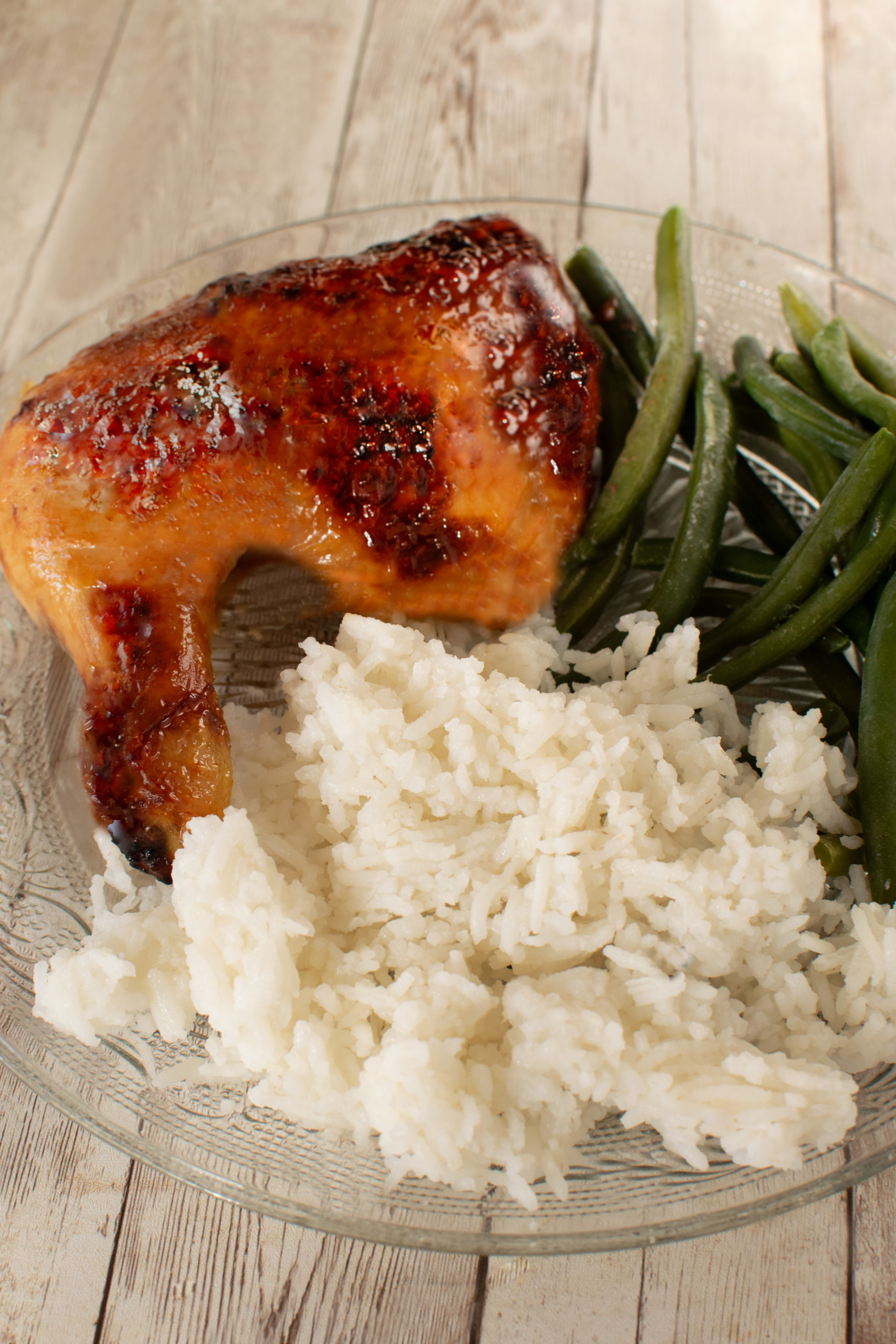
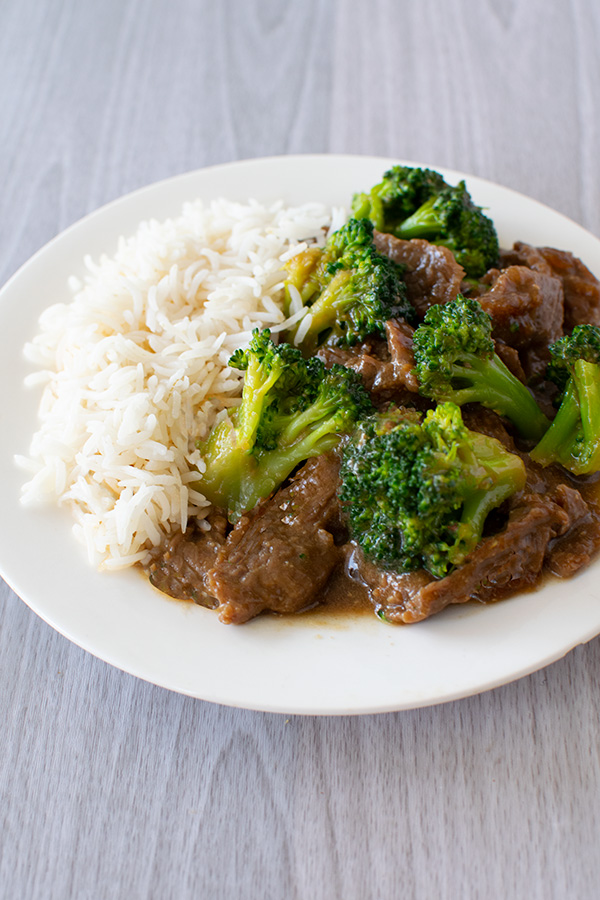
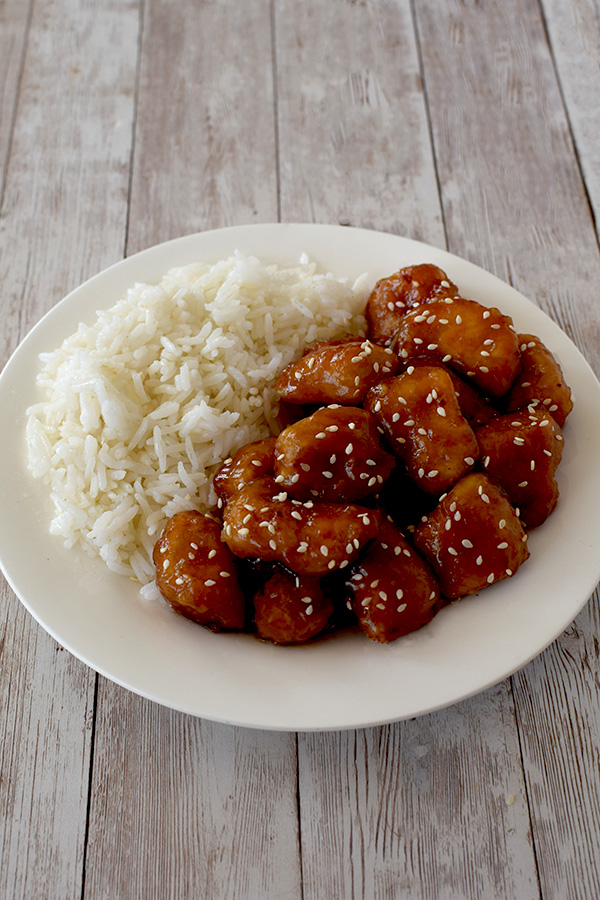
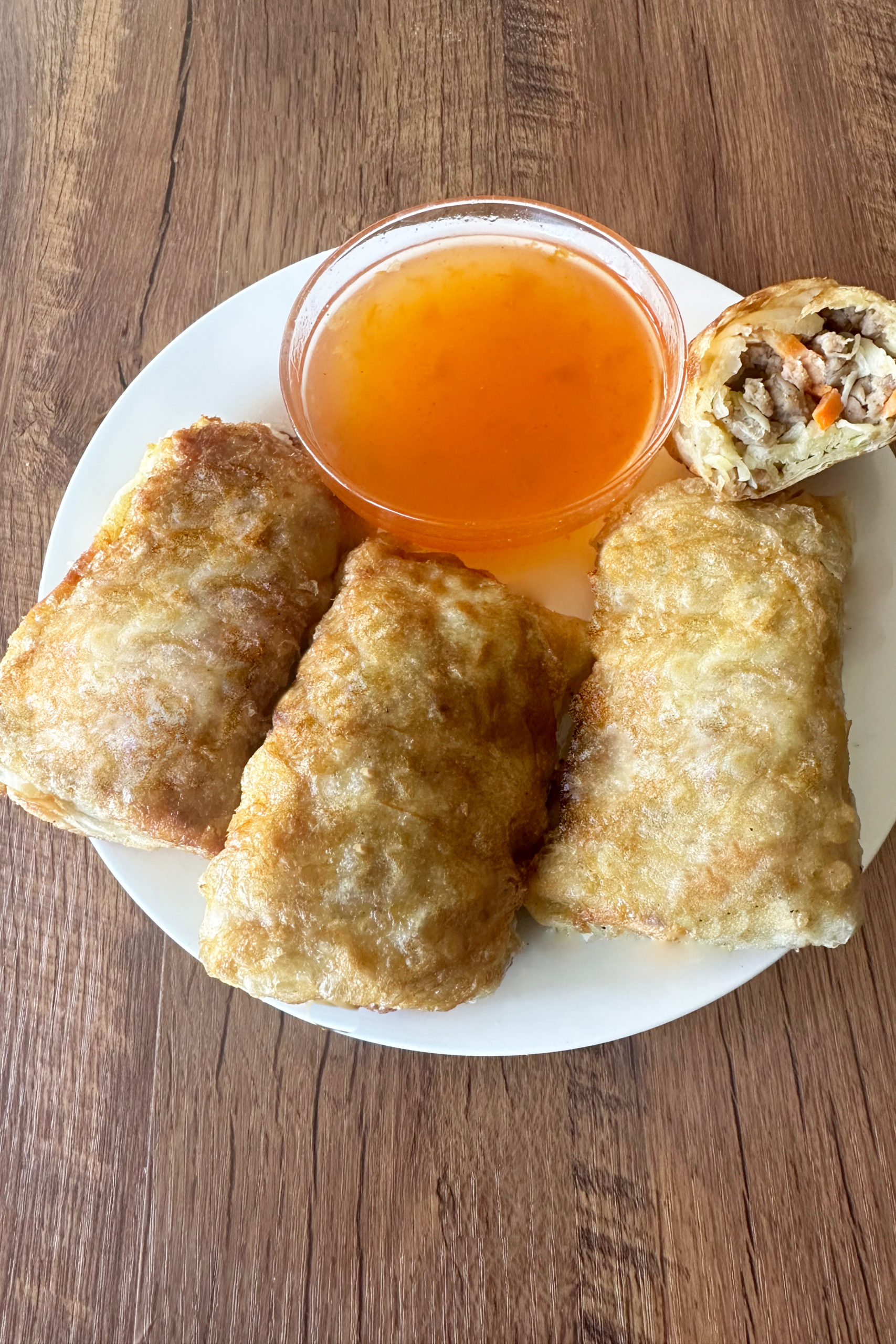
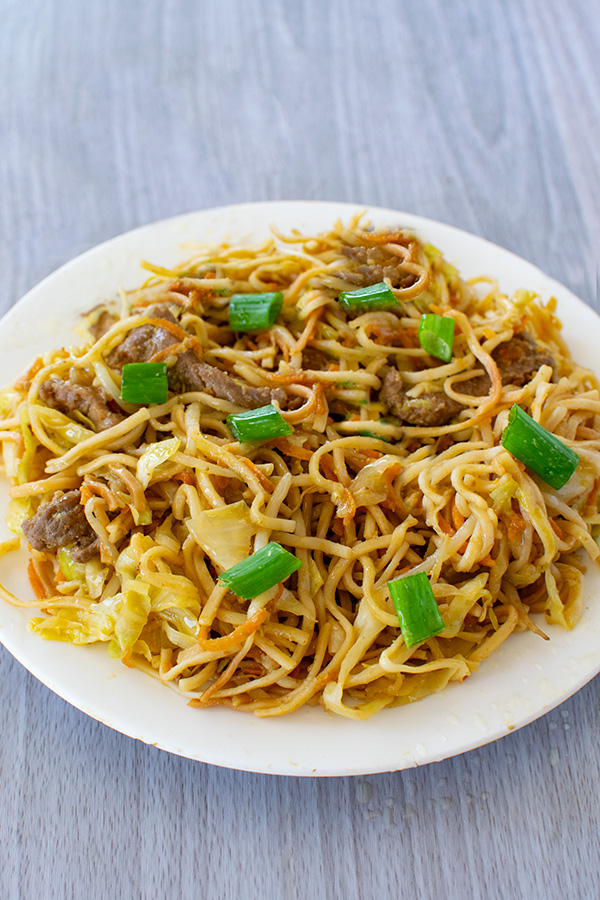
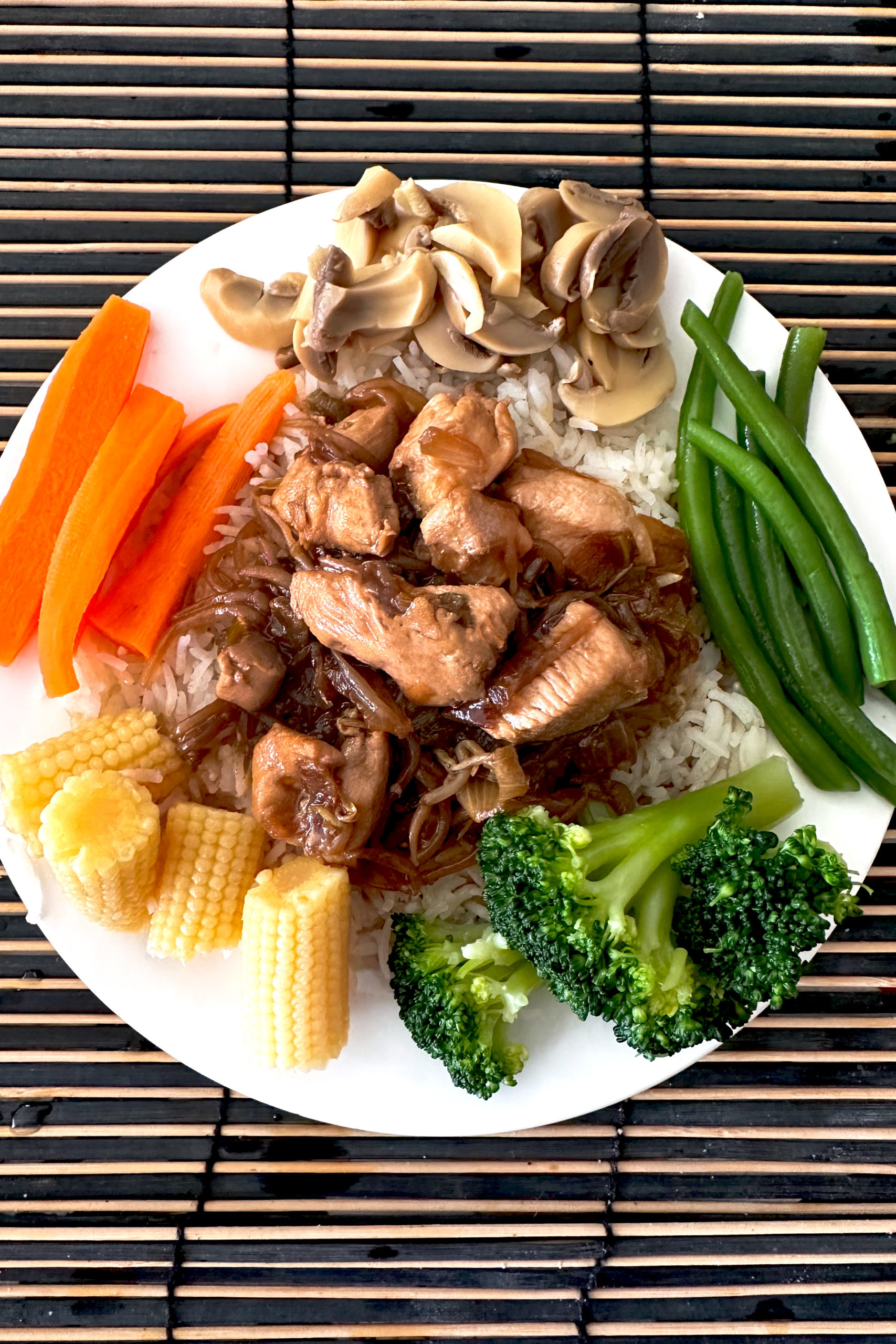
Want to make homemade takeout to go with your almond cookies?

Chinese Almond Cookies Recipe
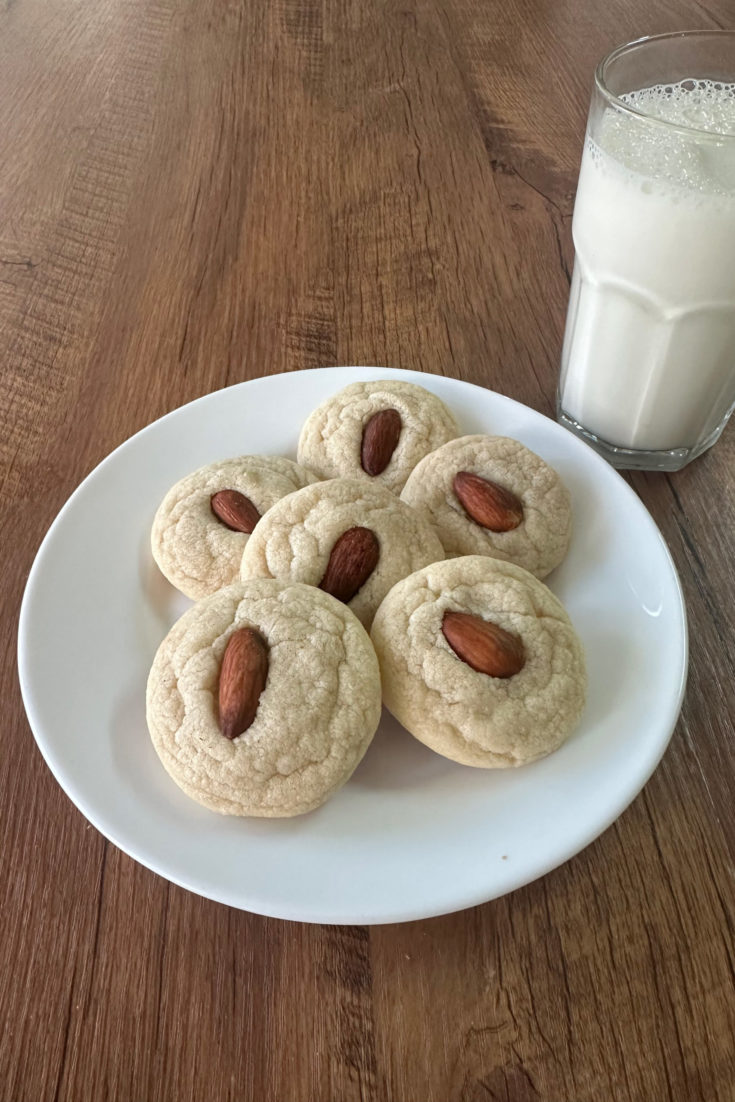
Delicious almond cookies, made without butter, lard, or eggs, so they're dairy-free and vegan!
Ingredients
- 1 ½ cups all-purpose flour, sifted
- 1 cup confectioners' sugar (powdered sugar)*
- 1 tablespoon cornstarch
- ½ teaspoon salt
- ¼ teaspoon baking powder
- ⅔ cup dairy-free margarine or other dairy-free butter alternative
- 1-2 teaspoons almond extract (a good imitation is fine too)
- ¼ cup whole almonds (one per cookie)**
Instructions
- Whip the margarine or butter alternative and the almond extract together until creamy (scrape it down from the sides of the bowl if necessary).
- Add the flour, confectioners sugar, cornstarch, salt, and baking powder and mix well.
- Remove from bowl and wrap in plastic wrap and chill for around 30 minutes.
- Make balls of approximately 2 tablespoons of dough each and place on a lined baking sheet.
- Lightly press an almond in the middle of the ball.
- Place in an oven that has been preheated to 400°F and bake for approximately 8 minutes.
- Let cool.
- Add a drizzle of glaze if desired.
Notes
*Using powdered sugar seems to produce a flatter cookie than using white granulated sugar.
**You can also use half almonds—just face them downward.
**Optional glaze to drizzle on top if desired:
Combine 1 cup of powdered sugar with 2–3 tablespoons of water and ½ teaspoon of vanilla extract and mix until smooth. If you want a thinner glaze, add a little more liquid and if you want a thicker glaze, add a little less warer or a little more powdered sugar.
Nutrition Information:
Yield:
18Serving Size:
1Amount Per Serving: Calories: 218Total Fat: 10gSaturated Fat: 2gUnsaturated Fat: 8gSodium: 87mgCarbohydrates: 31gFiber: 1gSugar: 14gProtein: 3g