Baked Apple Doughnuts (donuts) are a simple, dairy-free alternative to traditional deep-fried doughnuts, coated in sweet cinnamon sugar and made without butter or milk.

If you love the combination of apples and cinnamon, these Baked Apple Doughnuts are a delicious way to enjoy those flavors in a soft, cakey doughnut.
They're especially good when you're craving something sweet but don't want extra calories from deep-frying. The doughnuts are baked until lightly golden, then coated in cinnamon sugar.
And they're easy to make. Mix the batter, spoon or pipe it into a doughnut pan, and bake. Once they're out of the oven, the cinnamon sugar is all they need.
You can also make these doughnuts with applesauce, making them a convenient option when you have applesauce on hand.
Made with oil instead of butter or margarine and without milk, these doughnuts are also a great choice for anyone avoiding dairy.
Enjoy them for breakfast with a cup of coffee or tea, as an afternoon snack, or as a simple homemade treat at the end of your day.
Jump to:
What is needed to make these baked apple doughnuts?
Granny Smith apples or apple sauce
all-purpose flour
light brown sugar
baking powder
baking soda
ground cinnamon
salt
vegetable oil
vanilla extract or a good imitation
eggs
white granulated sugar
Frequently Asked Questions (FAQs)
Can I use applesauce instead of fresh apples?
Yes. Applesauce can be used as an alternative to fresh apples in this recipe, giving the doughnuts a soft, moist texture and adding apple flavor.
Do I need a special pan to make baked apple doughnuts?
Yes, you'll need a doughnut pan to give the doughnuts their traditional ring shape. Both metal and silicone doughnut pans work well.
How do I keep the cinnamon sugar from falling off?
Coat the doughnuts while they're still warm. A light coating of oil or melted dairy-free margarine can also help the cinnamon sugar adhere to the surface.
How do I fill a doughnut pan without making a mess?
Transfer the batter to a large zip-top bag, snip off one corner, and pipe the batter evenly into the doughnut cavities. A pastry bag works too.
How should I store baked apple doughnuts?
Store them in an airtight container at room temperature for up to 2 days. They're best when fresh, but you can warm them briefly in the microwave to soften them.
Can I freeze baked apple doughnuts?
Yes. Freeze the baked doughnuts before adding the cinnamon sugar coating. Once completely cool, place them in a freezer-safe container or bag and freeze for up to 2 months. Thaw at room temperature and coat with cinnamon sugar before serving.
What's Interesting About Apples?
Apples are naturally fat-free and rich in nutrients, including fiber, vitamins, and antioxidants. They are also associated with several potential health benefits, including supporting heart health and digestion. Health benefits of apples
Apples originated in Central Asia, where wild apples grew thousands of years ago. They spread along trade routes such as the Silk Road and have since been cultivated into thousands of varieties around the world. Only a few dozen varieties are commonly found in grocery stores.
Some popular types include Granny Smith, Red Delicious, Honeycrisp, Gala, Pink Lady, and Jonathan. Different varieties have different flavors, textures, colors, and levels of sweetness.
Apples are delicious eaten fresh, but they're also used in countless recipes and products, including baked goods, salads, smoothies, and cider.
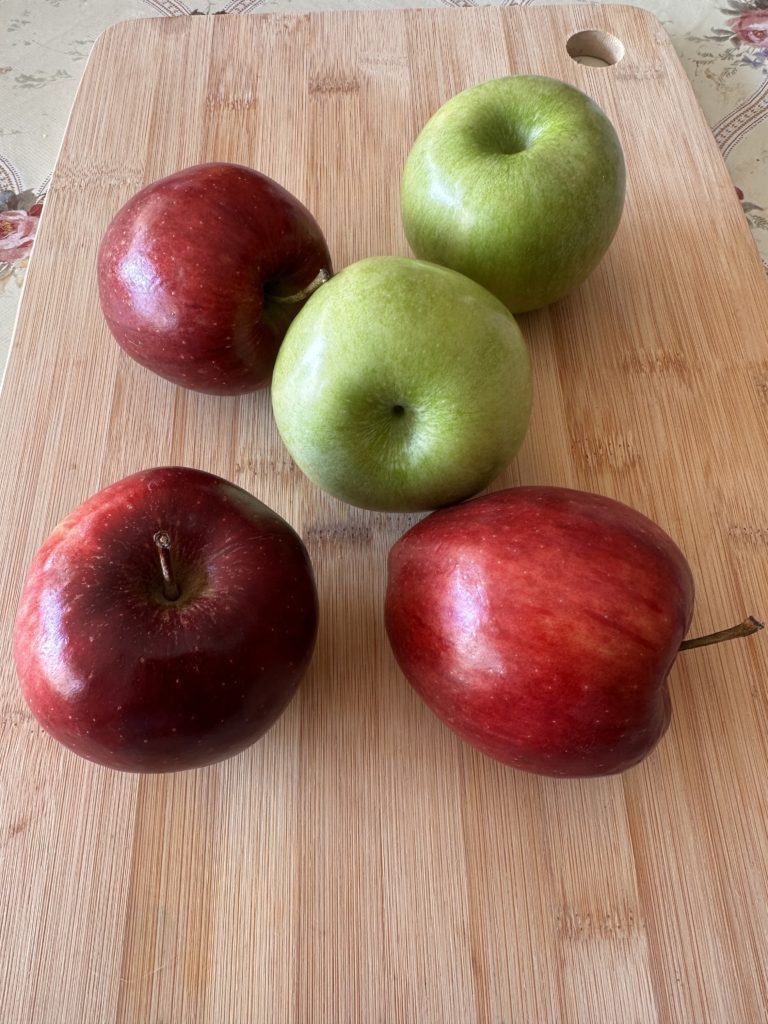
Which apples are best for baking?
Many apple recipes call for Granny Smith apples because they are tart, firm, and hold their shape well when baked instead of becoming overly soft. Pink Lady apples are another good choice because they are firm with a balanced sweet-tart flavor.
Honeycrisp is sweeter and very crisp, while Gala apples have a milder sweetness and softer texture. The variety you choose can change both the flavor and texture of an apple dessert.
Contrary to popular belief, apples are not native to North America. European colonists brought apple trees and seeds to North America, where apples became an important food crop. Apple orchards became widespread, and cider was a common drink among early settlers.
Who hasn't heard the legend of Johnny Appleseed? He was a real person named John Chapman, who became famous for planting and distributing apple seeds throughout parts of the United States. Many of the apples associated with his plantings were intended for making cider rather than for eating fresh.
Apples are also famous for their seeds, which contain a naturally occurring compound called amygdalin. When apple seeds are crushed and digested, amygdalin can release cyanide. However, accidentally swallowing a few whole apple seeds is normally not considered a cause for concern.
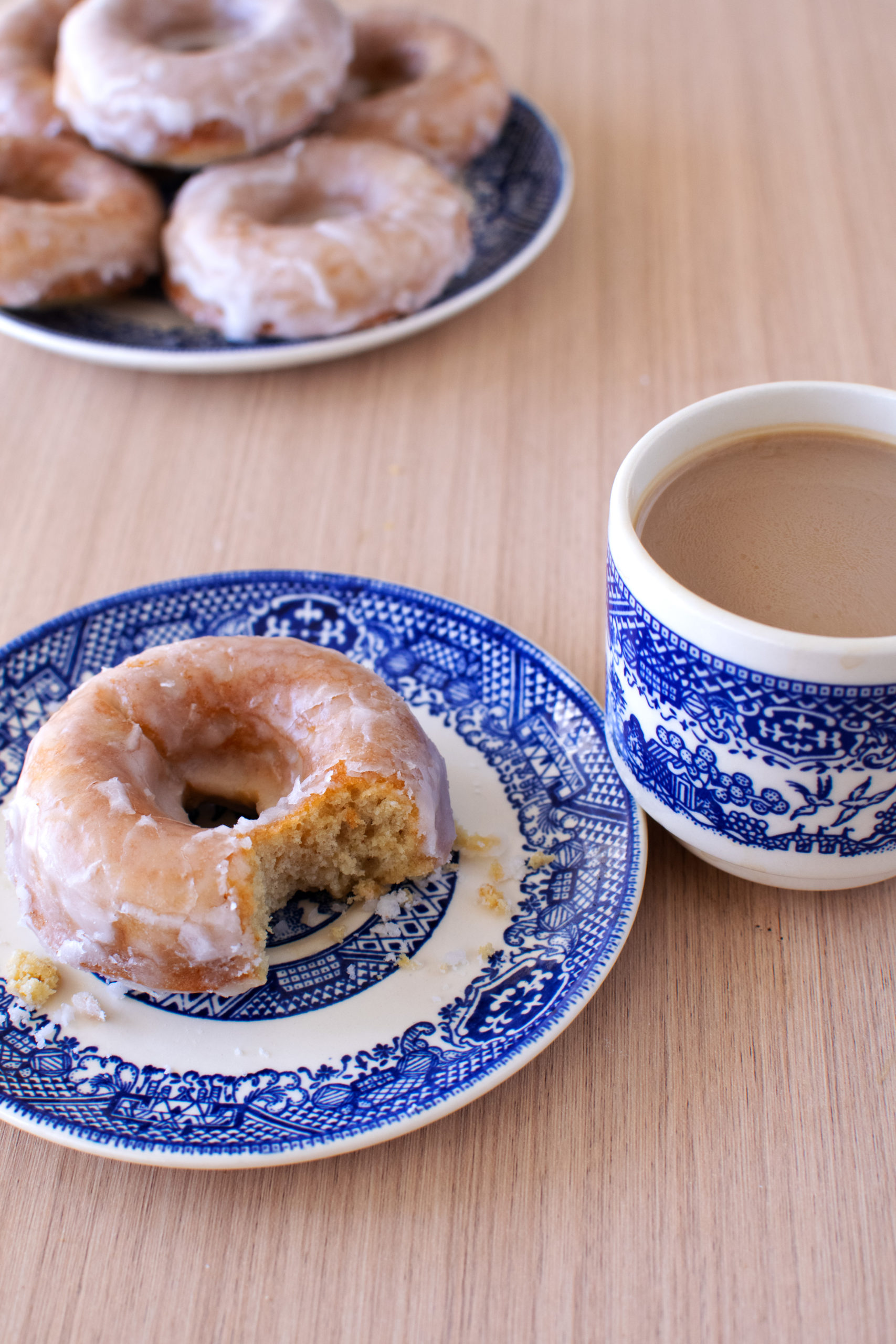
If you love baked doughnuts

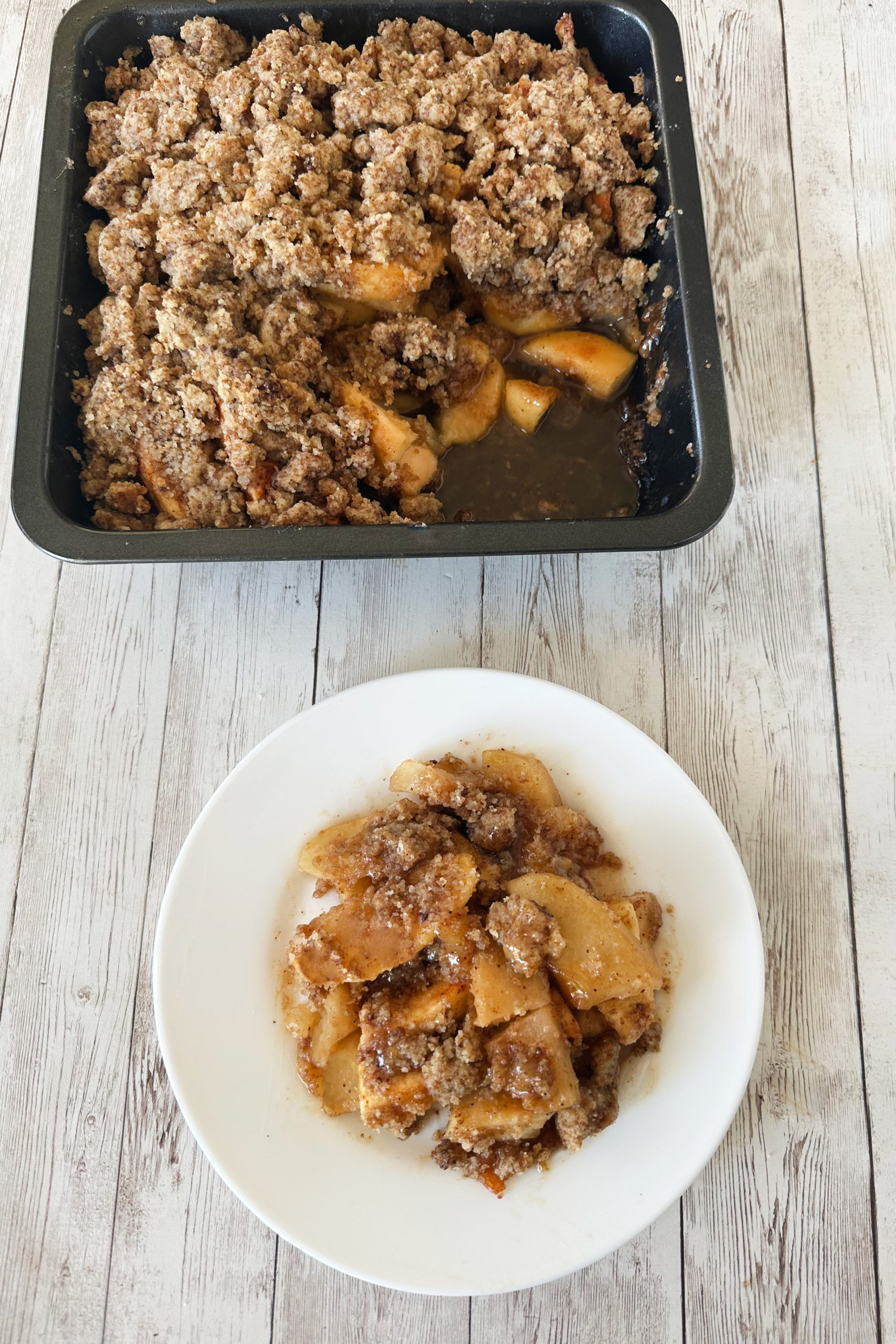
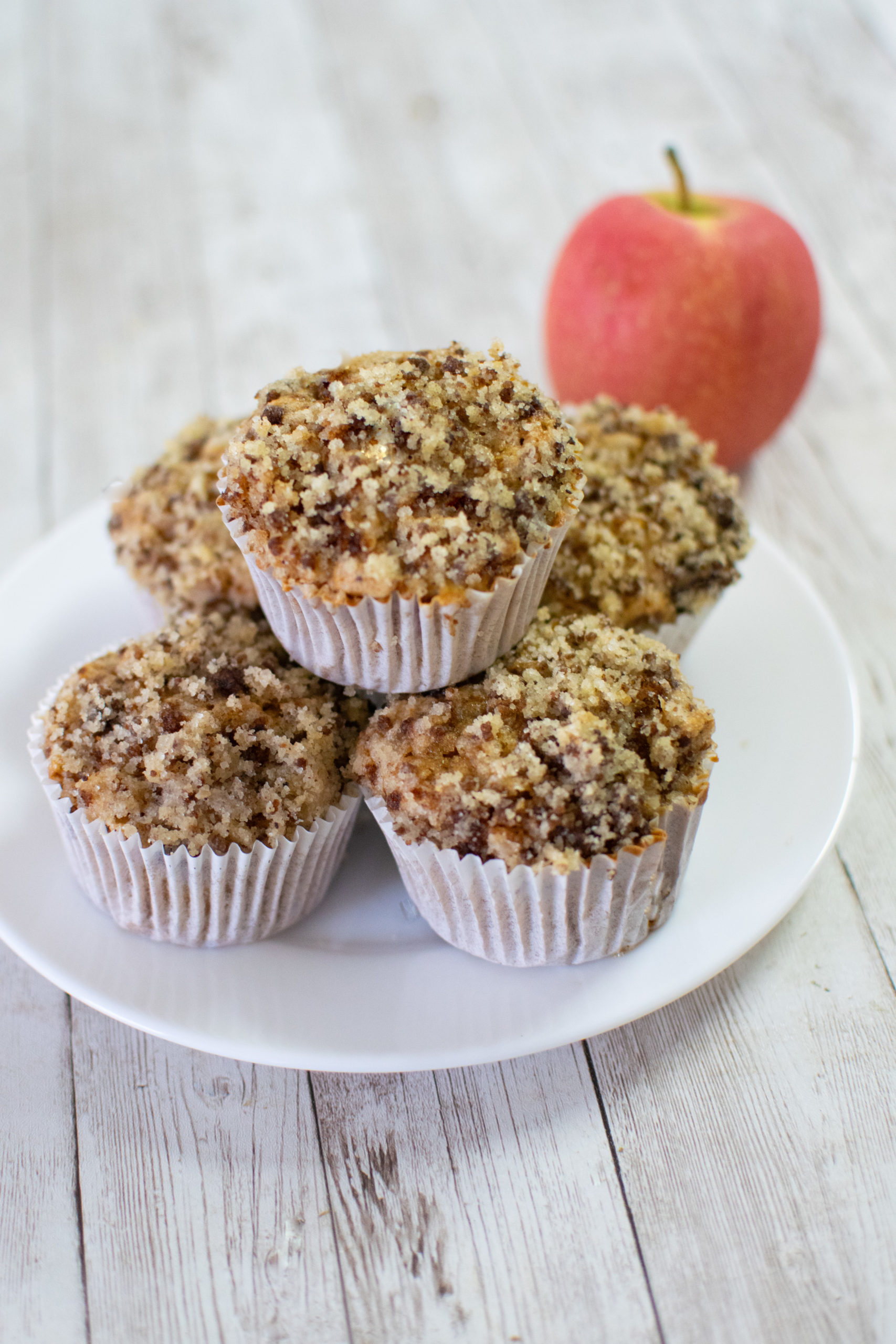
Love baked goods with apples?
And if you want to try something unique
Baked Apple Doughnuts
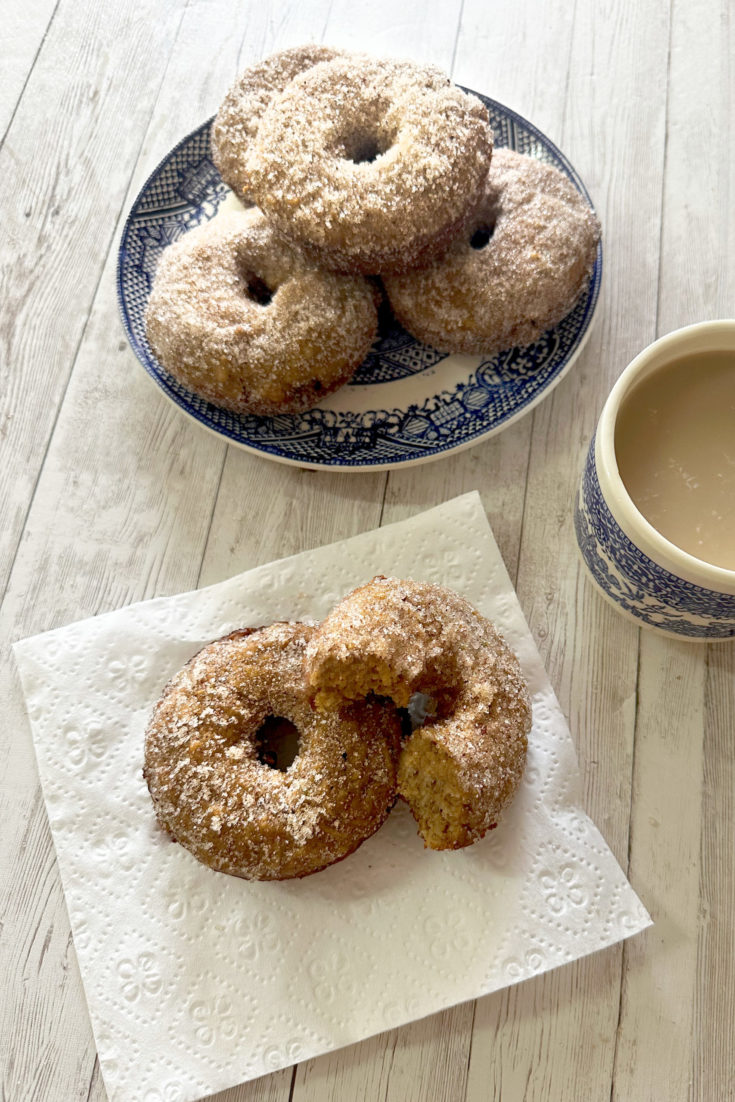
Dairy-free and delicious baked dairy-free apple doughnuts, without milk or butter.
Ingredients
Doughnuts
- 1 ½ cups Granny Smith apples (approximately 1 ½ medium apples)*
- 2 cups all-purpose flour
- ¾ cup light brown sugar, packed
- 1 ½ teaspoons baking powder
- ½ teaspoon baking soda
- ½ teaspoon ground cinnamon (or 1 teaspoon if you really like cinnamon)
- ½ teaspoon salt
- 3 tablespoons vegetable oil
- 1 teaspoon vanilla extract or good imitation
- 2 large eggs
- ⅔ cup water
Sugar coating
- 2 tablespoons vegetable oil
- ¾ cup white granulated sugar
- 1 teaspoon ground cinnamon
Instructions
- Combine the flour, brown sugar, baking powder, baking soda, cinnamon, and salt together in a mixing bowl.
- Peel and grate the apples (or use apple sauce) and add them to the mixing bowl.
- Add the vegetable oil, vanilla, eggs, and water to the mixing bowl and combine everything thoroughly.
- Fill the wells of greased donut pans with the batter to approximately ¾ full and place in an oven that has been preheated to 400°F.
- Bake for around 7 minutes or until the donut is firm and dry to the touch (i.e., no longer wet).
- Remove and let cool a little, and then remove the donuts from the pan. Set aside and let it finish cooling.
- Mix the sugar and cinnamon for the coating and place in a bowl that is wide enough to accommodate a donut.
- Lightly brush vegetable oil over each donut, one at a time, and then place in the bowl with the cinnamon sugar and toss until completely covered. Set aside and do the same with the rest.
Notes
*Or other favorite firm apple of your choice or ¾ cup of apple sauce.
**It may be easier to remove the donuts from the pan when they are still a bit warm.
Nutrition Information:
Yield:
12Serving Size:
1Amount Per Serving: Calories: 343Total Fat: 7gSaturated Fat: 1gUnsaturated Fat: 6gCholesterol: 31mgSodium: 214mgCarbohydrates: 65gFiber: 2gSugar: 32gProtein: 5g