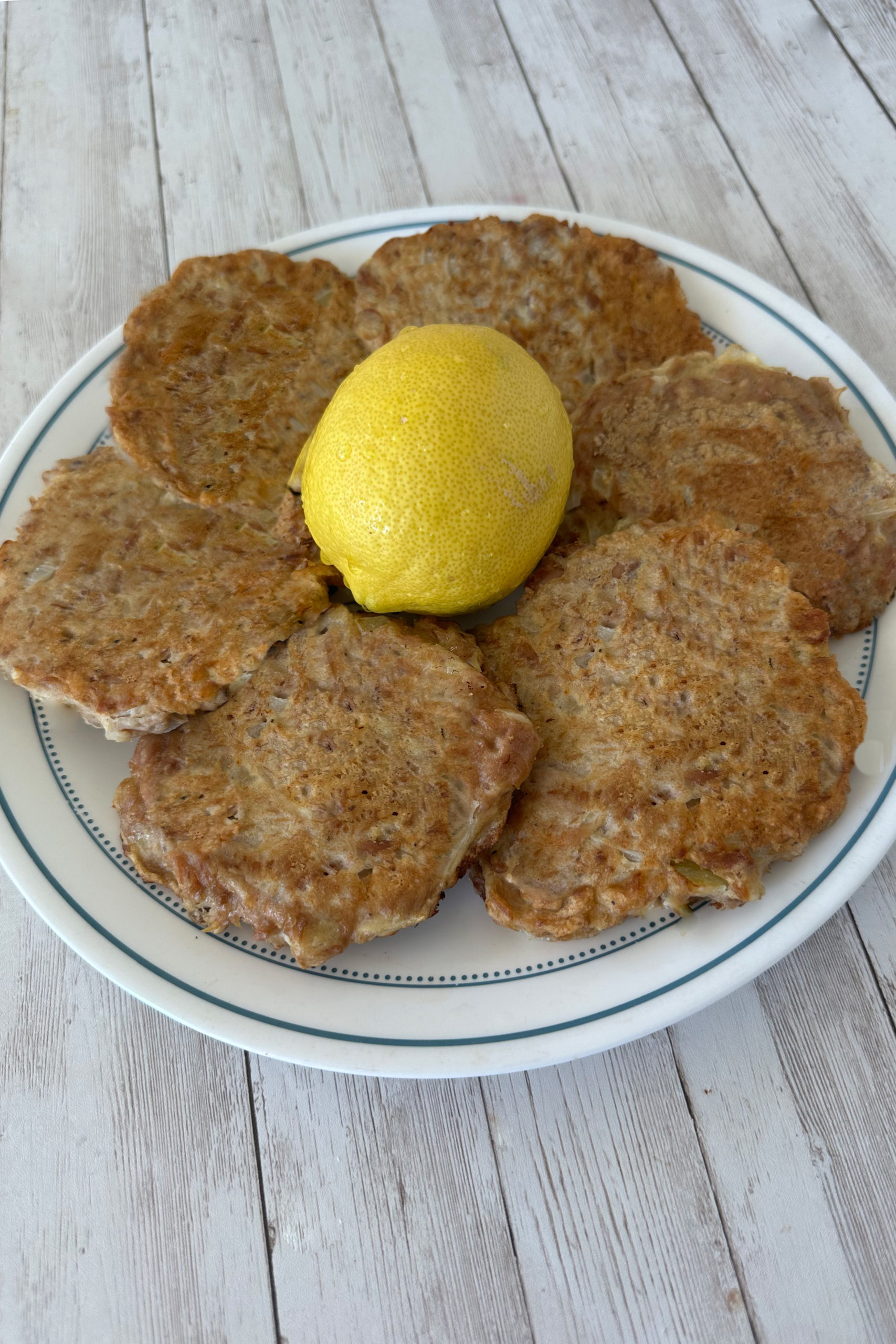
This Ground Beef Egg Rolls recipe is a ground beef and cabbage version of the classic Chinese-American appetizer, fried to a delicious crispiness, and made without pork or shellfish.

These homemade Ground Beef Egg Rolls are a crispy, delicious version of the classic Chinese-American appetizer, filled with savory ground beef, onions, and shredded cabbage.
They're terrific for parties, snack time, or as part of a family dinner.
The egg rolls are fried until golden and crispy on the outside, while the ground beef and cabbage filling stays savory and flavorful.
And because they're made without pork, dairy, or shellfish, they're also kosher.
Jump to:
- What is needed to make ground beef egg rolls?
- About Egg Rolls
- What is Chinese-American food?
- Is kosher Chinese food a thing?
- Frequently Asked Questions (FAQ) about these homemade egg rolls
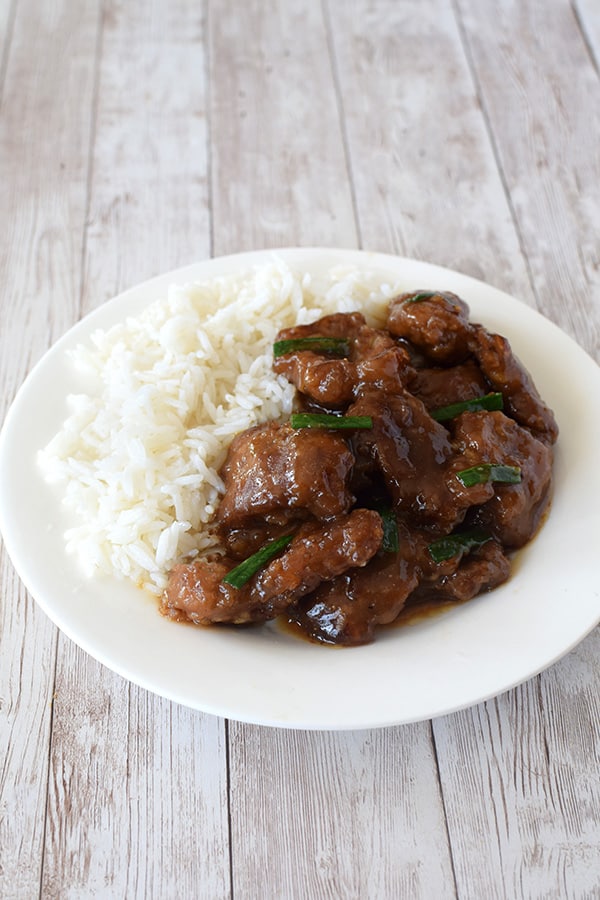
- Here's a delicious gravy to pour over your beef and cabbage eggrolls!
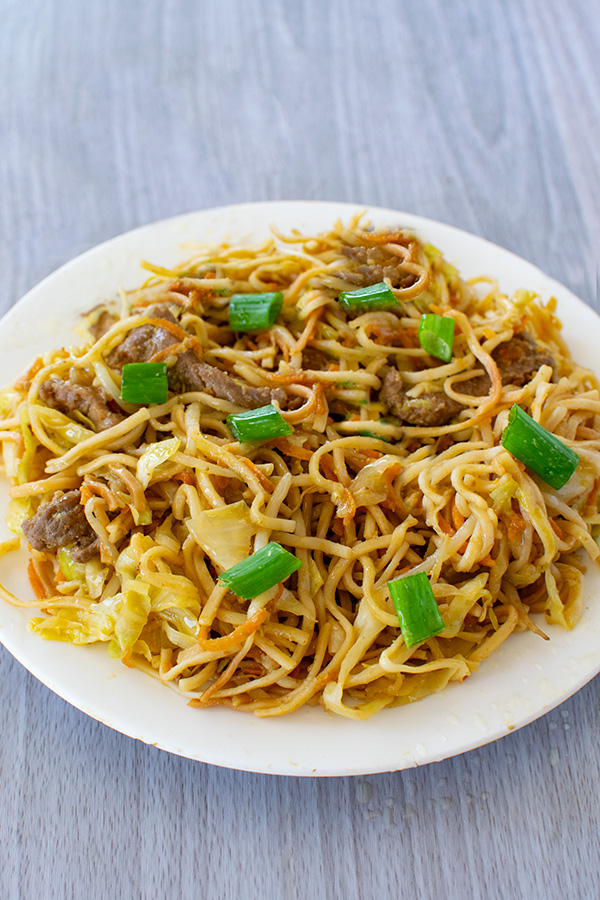
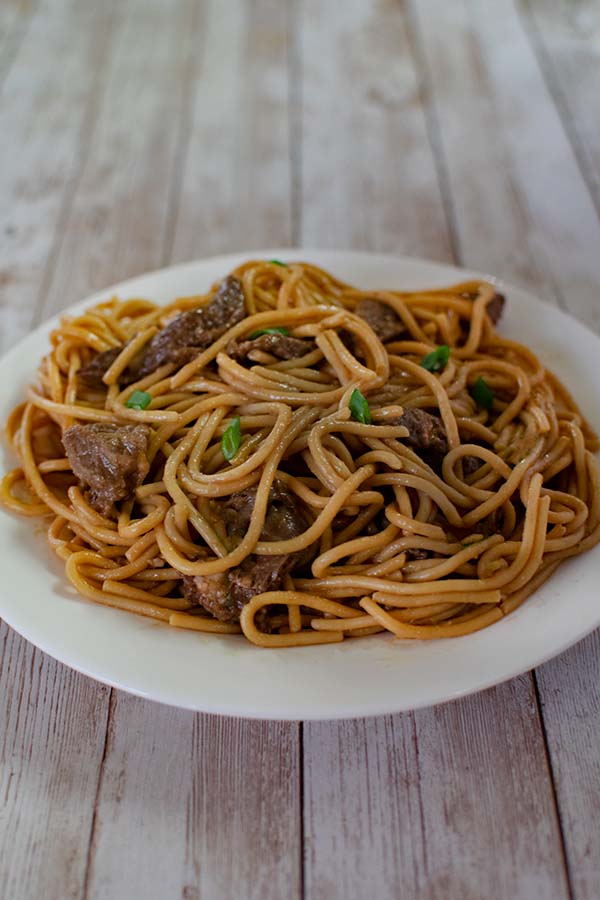
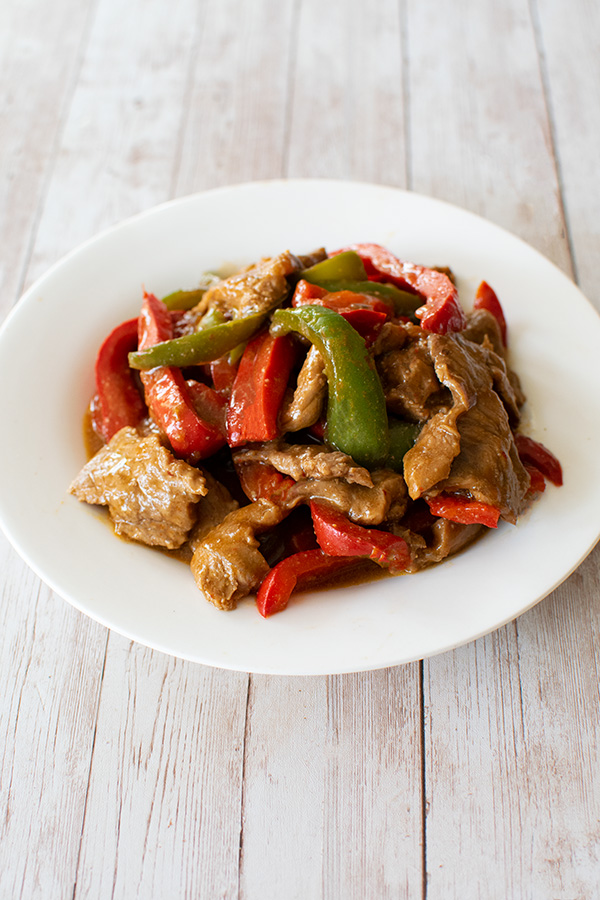
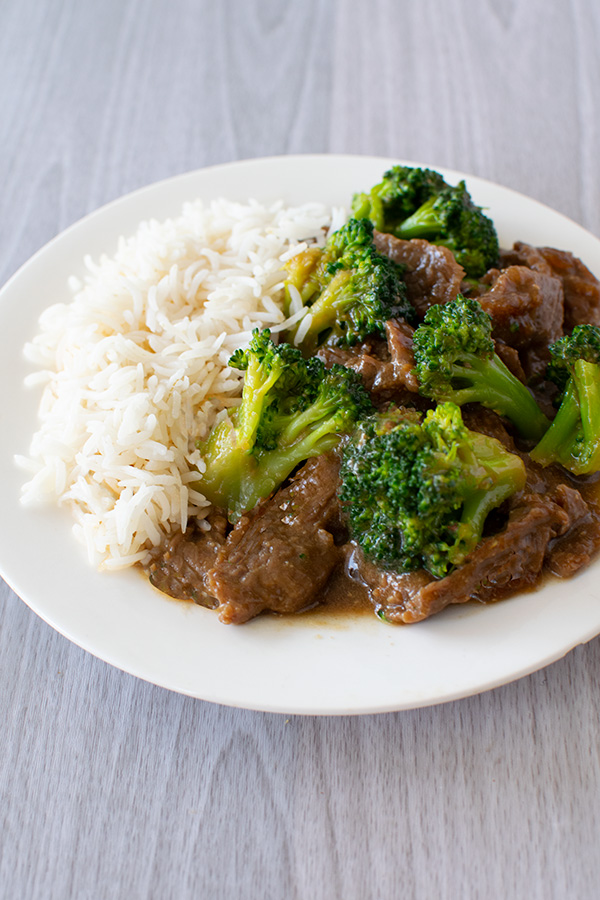
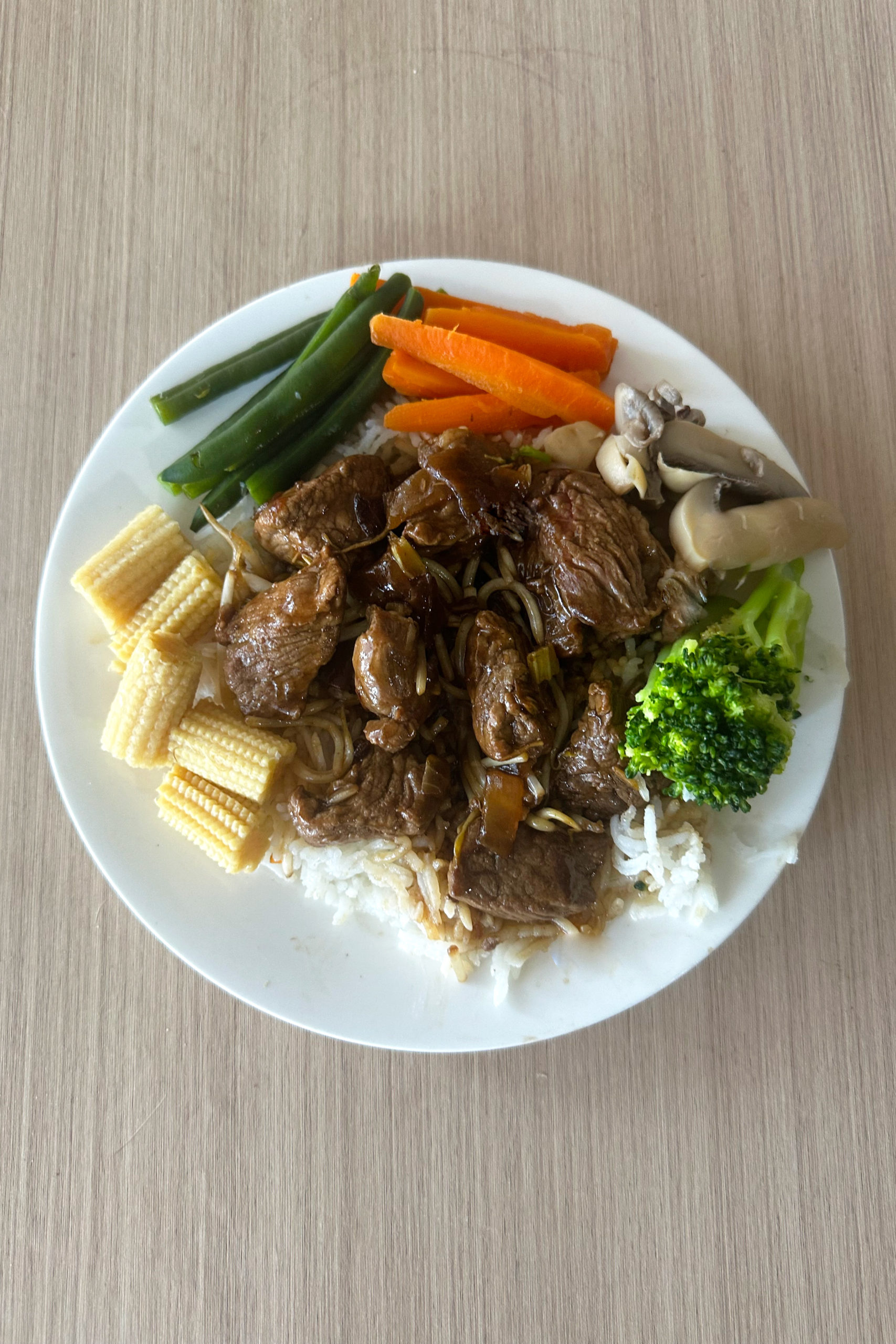
- If you love kosher Chinese, here are some delicious and simple make-at-home beef recipes!
- Ground Beef Egg Rolls
What is needed to make ground beef egg rolls?
ground beef
raw coleslaw (14-16 ounces) or equivalent of shredded fresh cabbage and carrot
large onion
granulated garlic, optional
soy sauce
large eggs
salt and pepper
1 package of eggroll wraps
About Egg Rolls
Classic Chinese-American egg rolls originated in New York in the 1930s, adapted for local tastes using easily accessible ingredients.
While traditional versions typically feature pork, these homemade beef egg rolls swap in ground beef as a hearty and budget-friendly alternative.
Because they are made without any pork or dairy, they are great for those keeping kosher.
These crispy wraps are perfect as a standalone meat snack or as an appetizer. Eat them before a meal or have them in front of the TV!
They are also a terrific bring-along dish for dinners with family and friends.
To Reheat Egg Rolls: To maintain that delicious crunch, avoid the microwave. Instead, place them in a lightly greased frying pan with a small amount of cooking oil over medium heat until warmed through.
What is Chinese-American food?
Chinese-American cuisine is a style of Chinese cuisine that developed in the United States as Chinese immigrants adapted their cooking to local ingredients and American tastes. As a result, many Chinese-American dishes differ significantly from traditional dishes of China.
Chinese immigrants began arriving in the United States in large numbers in the mid-19th century, including people who came during the California Gold Rush and to work on the Central Pacific Railroad. Many settled in Chinatowns and established businesses, including restaurants.
Early Chinese restaurants often served miners, railroad workers, and other American customers. As Chinese restaurant owners adapted their cooking to the ingredients available to them and the tastes of their American customers, new dishes and variations developed.
Over time, these adaptations became part of a distinct Chinese-American culinary tradition. Familiar dishes such as chop suey, chow mein, and American-style fried rice became popular in the United States.
Chinese-American cuisine isn't simply traditional Chinese food served in America. It grew from Chinese cooking while also reflecting the ingredients, tastes, and dining culture of the United States.
Is kosher Chinese food a thing?
It is well known that Jews, especially those with ties to New York, love Chinese food. You can find kosher Chinese restaurants in many predominantly Jewish neighborhoods. In Cedarhurst, New York, for example, there are two within a couple of blocks-both excellent. And don't even get me started on Brooklyn.
There's even a popular joke about the Jewish love of Chinese food:
"According to the Jewish calendar, the year is 5749. According to the Chinese calendar, the year is 4687. That means for 1,062 years, the Jews went without Chinese food."
The joke dates back to at least 1989, although no one seems to know exactly when it originated.
The connection between Jewish and Chinese food goes back to New York's Lower East Side in the late 19th and early 20th centuries, when Jewish and Chinese immigrant communities lived and worked in close proximity. Chinese restaurants became increasingly popular with Jewish New Yorkers, and the tradition of eating Chinese food became an enduring part of Jewish-American culture.
By the early 20th century, Chinese restaurants were well established in New York's Jewish neighborhoods. They were affordable, often open on Sundays, and offered a type of food that was different from the traditional Jewish restaurants and delis of the time. The fact that Chinese cooking generally used little dairy also made some dishes seem more compatible with Jewish dietary traditions, although Chinese restaurant food was not actually kosher.
But what about Jews who did keep kosher?
In 1959, Sol Bernstein, the son of kosher butcher and deli owner Schmulka Bernstein, began serving Chinese food at Bernstein-on-Essex, his kosher delicatessen on Manhattan's Lower East Side. Bernstein is often credited with pioneering kosher Chinese food in the United States.
Sol adapted Chinese dishes to meet kosher requirements, using kosher beef, veal, and chicken in place of pork and leaving shellfish off the menu. His restaurant offered traditional Jewish deli foods alongside Chinese dishes, creating a unique combination that became enormously popular.
Schmulka Bernstein had operated a kosher butcher shop and smokehouse on the Lower East Side for decades. Sol's deli, which opened in the late 1950s at 135 Essex Street, became known as Bernstein-on-Essex, although many people simply called it Schmulka Bernstein's after his father.
The restaurant's slogan was "Where kashrut is king and quality reigns," and Bernstein-on-Essex became a destination for Jewish diners looking for Chinese food they could enjoy while keeping kosher.
Sol Bernstein continued operating the restaurant until his death in 1992. His contribution to the history of kosher Chinese food remains part of the fascinating connection between Jewish and Chinese food culture in New York.
Frequently Asked Questions (FAQ) about these homemade egg rolls
What kind of wrapper should I use for ground beef egg rolls?
Use standard egg roll wrappers for the best texture and shape. You can also use filo dough, although the finished egg rolls will be lighter and flakier.
Are these ground beef egg rolls kosher?
Yes. These egg rolls are made without pork, shellfish, or dairy, making them kosher when prepared with kosher ingredients and according to kosher food-handling practices.
Can I add other vegetables to the filling?
Yes. You can add shredded carrots, celery, or other finely chopped vegetables. Keep the pieces small so the filling cooks evenly and the egg rolls are easy to roll.
How do I keep egg rolls from getting soggy?
Make sure the filling isn't too wet before rolling. Drain off any excess liquid and let the filling cool slightly before adding it to the wrappers. Fry the egg rolls until golden and crisp.
Can I make ground beef egg rolls ahead of time?
Yes. You can prepare and roll the egg rolls ahead of time and keep them refrigerated until you're ready to fry them. For the best texture, fry them as close to serving time as possible.
How do I store and reheat leftover egg rolls?
Store leftover egg rolls in an airtight container in the refrigerator for up to 3 days. Reheat them in an oven or air fryer until hot and crisp. Avoid microwaving them if possible, as the wrappers can become soft.
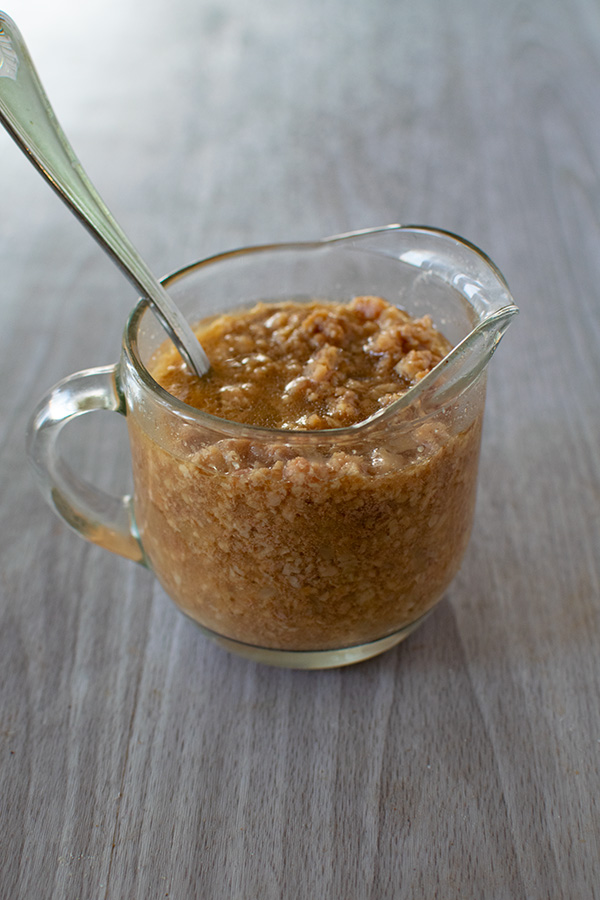
Here's a delicious gravy to pour over your beef and cabbage eggrolls!
If you love kosher Chinese, here are some delicious and simple make-at-home beef recipes!
Ground Beef Egg Rolls

Easy Chinese-American style egg rolls with a delicious and easy savory ground beef and cabbage filling. No pork, no shellfish, and no dairy.
Ingredients
- 2 pounds ground beef
- 1 package of raw coleslaw (14-16 ounces) or equivalent of shredded fresh cabbage and carrot
- 1 large onion, diced or chopped small
- 2 teaspoons granulated garlic (or to taste), optional
- 2 tablespoons soy sauce
- 2 large eggs, beaten (have more ready in case you need them)
- salt and pepper to taste
- 1 package of eggroll wraps*
Instructions
- Pour a little oil into the bottom of a frying pan and saute the onion on medium heat.
- Mash the ground beef well and combine with the sauteed onion.
- Mix in the granulated garlic (if you are using), soy sauce, and salt and pepper and let cook, mixing occasionally.
- Drain any excess oil and place the meat mixture in a mixing bowl.
- Add the raw coleslaw and mix thoroughly.
- Lay out the egg roll wraps with the corners facing up and down, side to side.
- Spoon some of the meat and cabbage mixture into the middle of a wrap, leaving enough room to comfortably fold.
- Fold in the sides toward the middle of the wrap over the mixture and then roll from the other side.
- Place a little water or egg on the remaining edge to seal the egg roll.
- Repeat with the remaining mixture and wraps.
- Repeat with the remaining meat and cabbage mixture.
- Pour oil onto a frying pan approximately ¼ inch high and heat on medium.
- Dip each egg roll thoroughly into the beaten egg and place in the hot oil.
- Fry on each side until golden brown and then remove and place on a dish or plate that has been lined with paper towel to absorb excess oil.
- Serving suggestion: duck sauce or chili sauce.
Notes
*How many wraps you use will be determined by how full you make each wrap.
.
Nutrition Information:
Yield:
4Serving Size:
1Amount Per Serving: Calories: 793Total Fat: 46gSaturated Fat: 16gUnsaturated Fat: 30gCholesterol: 306mgSodium: 776mgCarbohydrates: 18gFiber: 2gSugar: 4gProtein: 68g