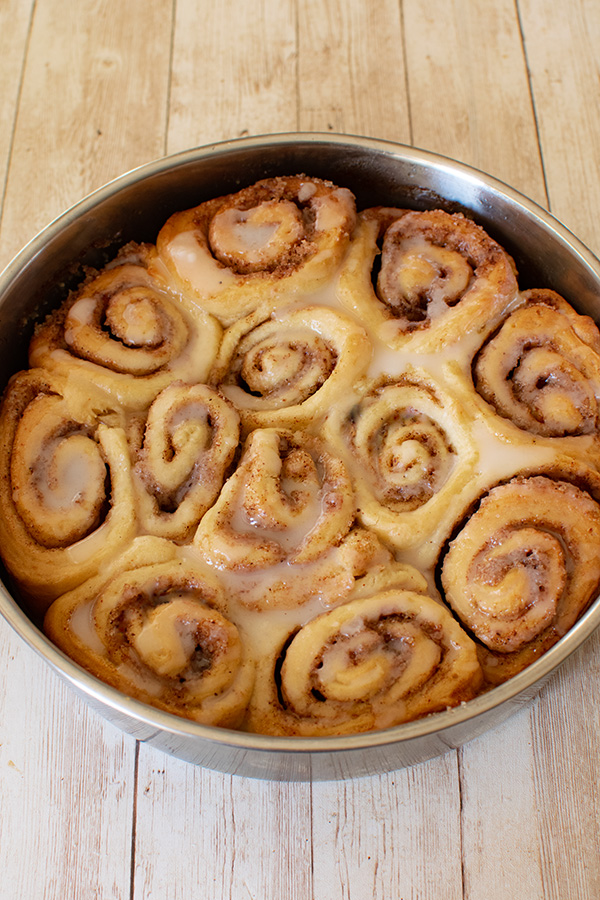
Easy dairy-free cinnamon rolls are a simple recipe for traditional Eastern European-style sweet yeast rolls, made without milk, margarine, or butter. Perfect for a cozy breakfast or comforting treat after a long, busy day.
Why make these cinnamon sweet rolls?
Easy dairy-free cinnamon rolls are made with a simple yeast dough rolled with sweet cinnamon sugar and made without milk, margarine, or butter.
And the prep isn't complicated. Just make the dough, spread on the cinnamon sugar, roll, slice, and bake.
They're warm, soft, and deliciously sweet and sticky, and they pair wonderfully with a cup of coffee or tea or a cold glass of milk.
And they're even a perfect dessert for anyone avoiding dairy.
A little history
Sweet rolls, cinnamon rolls, and filled yeast pastries-classics such as sweet rolls, babka, and rugelach-have deep Jewish roots in Ashkenazi Jewish and Eastern European baking traditions.
While today, those baked goods can be found in American bakeries, the technique of rolling out dough, spreading something sweet on it, and then baking it originated in Eastern Europe, in the small Jewish communities (shtetls) in countries such as Ukraine, Poland, Lithuania, and Belarus.
Women would typically bake challahs, and they would use extra dough to make these yeast cakes by spreading on cinnamon with sugar, cocoa with sugar, nut mixtures, etc., and bake them as rolled or braided pastries.
They were made without milk or butter (pareve), so they could be eaten as dessert after meat meals on Shabbat or holidays (Jews who keep kosher do not eat dairy with meat and, in fact, wait several hours after eating meat before having dairy-the amount of time depends on a family's background and tradition).
Frequently Asked Questions for cinnamon rolls
How do I store leftover dairy-free cinnamon rolls?
Store them in an airtight container at room temperature for up to 2 days, or keep them in the refrigerator for up to 3 days. These are not made with preservatives, so they do not last as long as store-bought.
Warm them up slightly before eating to bring back their soft texture.
Can I freeze these dairy-free cinnamon rolls?
Yes! You can freeze them either baked or unbaked. If freezing after baking, let them cool completely, wrap them tightly, and freeze for up to 2 months. Reheat gently in the oven before serving.
Can I make the dough ahead of time?
Yes, you can prepare the yeast dough ahead of time, let it complete its first rise, cover it tightly, and store it in the refrigerator overnight. Bring it back to room temperature before rolling and shaping.
Are these cinnamon rolls made with dairy-free margarine?
No. While they are made without dairy, they're made with oil, so they also don't contain any margarine.
Can I add a glaze or frosting to these rolls?
This recipe calls for a glaze. You can make it with water or a dairy-free alternative, such as oat milk.
General FAQs about baking:
What ingredients is good to keep on hand to make some simple last-minute desserts?
- flour
- white granulated sugar
- brown sugar (light/dark-I usually keep dark)
- confectioners' sugar (powdered sugar)
- salt
- baking powder
- baking soda
- cocoa powder
- ground cinnamon
- ground nutmeg
- ground ginger
- ground cloves
- baking chocolate
- chocolate chips
- instant dry yeast
- vanilla and/or vanilla sugar
- cooking oil/cooking spray
- margarine or butter
- eggs
- honey
- instant coffee
- various extracts (real or imitation)
- a variety of fillings, frostings, and toppings:
- whipping cream
- packaged pie dough or ready-made pie crusts
- puff pastry dough
Why do recipes have salt in the ingredients of baked goods?
Even though salt tends to make foods, well, salty, it actually plays other roles in baking as well.
For example, the right amount of salt balances flavors in baked goods; it can bring out the sweetness of sugar and, at the same time, prevent them from tasting overly sweet. It also can help dull the bitterness of cocoa.
Salt prevents baked goods from tasting bland, while it balances the richness of the fats. It also helps develop flavor in yeast breads and works with proteins to strengthen gluten and make it more elastic.
Salt also slows down yeast fermentation because it prevents the yeast from eating up the sugars too quickly, which otherwise would cause the dough to rise too fast and then ultimately collapse, causing bread to come out flat instead of fluffy.
Salt helps baked goods stay a little fresher for a little longer and helps delay mold from growing on them.
What do eggs do in baking?
Eggs are made up of two parts: the whites and the yolks (the yellow).
Egg whites are made up of protein that sets when heated and helps baked goods hold their structure. The yolks are made up of fats and vitamins and help ingredients bond.
Eggs also help baked goods rise as well as keep them moist.
It is important to have the right amount of eggs when baking, because if there are too many eggs in a recipe, this can cause a rubbery, dense texture, and if there are too few eggs, this can cause a crumbly, dry texture.
The different parts of the egg will provide different textures to baked goods; using the entire egg in baking will provide moisture and help the baked good rise evenly, using extra yolks will create richer, denser textures, and extra whites will add fluffiness but may create a drier texture.
What is the difference between real vanilla extract and imitation vanilla?
Real vanilla is made from soaking vanilla beans in alcohol, imitation vanilla is synthetic, and real vanilla costs quite a bit more than imitation. Whether or not there will be a taste difference in your baking depends on the baked good, so do some research before you decide.
I personally always use the imitation as long as I have a really good brand because it's not worth it to me to spend the extra money.
Should I sift flour before I use it?
Unless you are concerned about bugs or clumps from moisture, the need to sift depends on your recipe.
For example, you don't need to sift for dense baking like muffins or quick breads, where lumps won't ruin the texture. But you should sift for recipes that rely on air bubbles, such as sponge or angel cakes or soufflés. You also should sift your flour if you are making baked goods with a high fat content, such as brownies, because it is important that the fat be absorbed throughout all of the flour, and having flour clumps could prevent this.
Sifting the baking powder and/or baking soda together with the flour and salt before mixing in the other ingredients may be able to help prevent cakes from coming out lopsided, where one side may be somewhat higher than the other.
Why do recipes with yeast say to make a mixture of the yeast, warm water, and sugar and set aside until it bubbles?
Most dough recipes that include yeast will give instructions to mix the yeast with warm water and sugar and set aside until it bubbles before using it. This is NOT part of the recipe but rather a short process called "proofing" to ensure that your yeast is alive because if it is not, your dough will not rise.
In order to proof your yeast, you need to let the yeast, warm water, and sugar mixture sit for 5-10 minutes to see if it develops foamy bubbles. If it does, your yeast is alive. Otherwise, it should not be used.
The water for proofing must be warm in order to activate the yeast because if it is too cold, nothing will happen, and if it is too hot, it will kill the yeast. Warm is between 105 and 110 degrees Fahrenheit (or 40 and 43 degrees Celsius). I usually just put my finger in the water, and if it is comfortably warm, I use it.
The sugar is used in proofing because yeast eats the sugar and releases gas (carbon dioxide), which is what causes the bubbles. If there are no bubbles, either the water was too hot or too cold, or the yeast is simply dead.
Note: If you are CERTAIN that your yeast is alive, then this process is unnecessary.
What baking equipment is good to have on hand?
- a stand mixer
- a hand mixer
- a kitchen scale
- different sizes and shapes of baking pans, including loaf pans
- mixing bowls
- cookie sheets
- pie dishes
- dry measuring cups
- liquid measuring cups
- measuring spoons
- whisks
- rubber spatulas
- rolling pins
- a baking mat for rolling out dough
- baking strips
- a good supply of baking (or parchment) paper, for cookie sheets and also round for layer cakes, and cupcake/muffin paper
A little about yeast
Ever hear of matzo, the large cracker that Jews eat on Passover?
The explanation for that flat "bread" is that the dough didn't yet leaven and therefore didn't have time to rise (into bread) before the Israelites had to leave their homes and Egypt to go to the desert.
Back in those days, the flour mixture was left out, and the microbes of yeast in the air would leaven it over time, and it would rise. So, the mixture that the Israelites made had to be baked as it was before being leavened.
Here is some more interesting information about yeast: https://redstaryeast.com/science-of-yeast/
Love yeast cakes?
Try these:
Dairy-Free Chocolate Sweet Rolls
Dairy-Free Chocolate Babka
Dairy-Free Cinnamon Babka
Easy Dairy-Free Cinnamon Rolls Recipe
Delicious and sticky, cinnamon sweet rolls, made without milk, butter, or margarine.
Ingredients
Dough
- 3 cups all purpose flour
- 2 tablespoons white sugar
- 1 tablespoon instant dry yeast
- 1 teaspoon salt
- 3 tablespoons oil
- 1 egg
- 1 cup warm water
Filling
- 1 cup brown sugar, packed
- 2 tablespoons cinnamon
- ¼ cup oil
Glaze
- 1 and ½ cups powdered sugar (150 grams)
- 2 tablespoons warm water, oat milk, or other dairy free alternative
Instructions
- Pour ¼ cup warm water, yeast, and sugar into a mixing bowl. Let it sit for a few minutes until the mixture becomes frothy, which will indicate that the yeast is active.
- Mix in oil, egg, salt, and flour.
- Knead the mixture thoroughly using a stand mixer and dough hook or by hand, adding the rest of the water only a little at a time until it becomes only a slightly sticky Play-Doh-like dough. If you add too much water, it will become too sticky. In that case add more flour, a little at a time, until you reach the proper consistency.
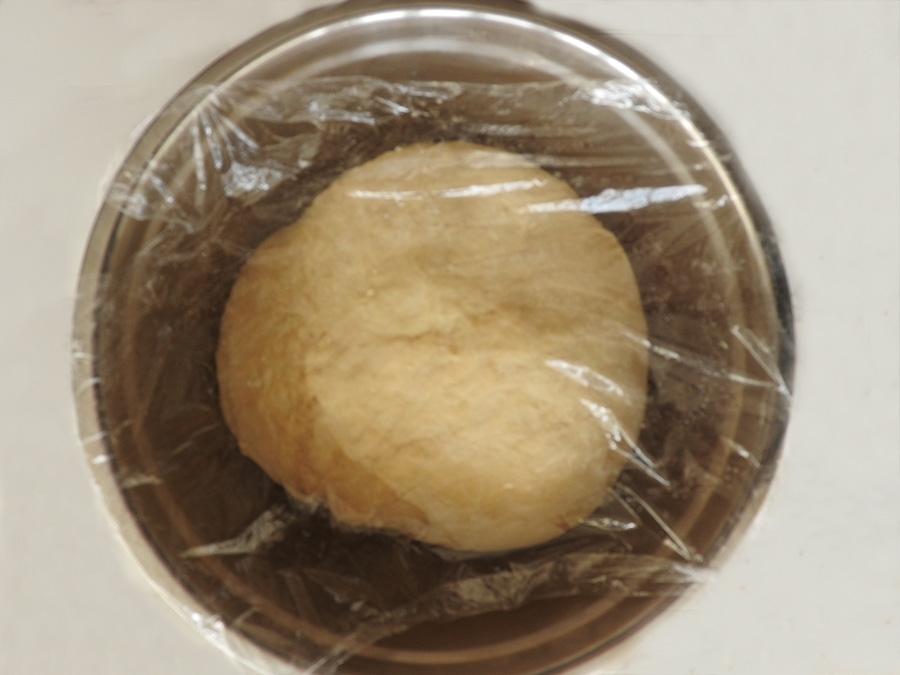
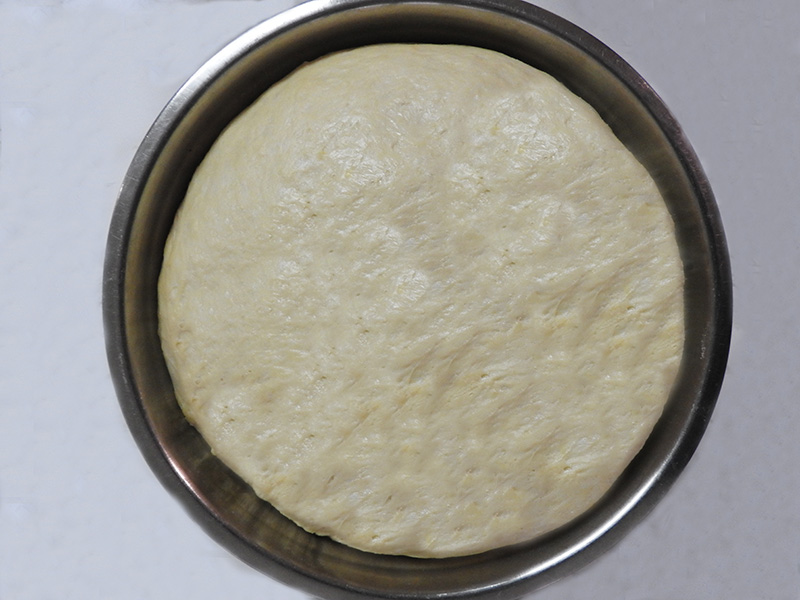
- Cover the bowl with plastic wrap or a towel or something similar. Let the dough sit and rise until it has approximately doubled in size (the time it takes will depend on how warm the area is). *
- Next, remove the dough and place on a flat, clean, and lightly floured surface and roll out into a rectangle shape (doesn't have to be exact) that is approximately ¼ inch thick.
- In another bowl, combine brown sugar and cinnamon.
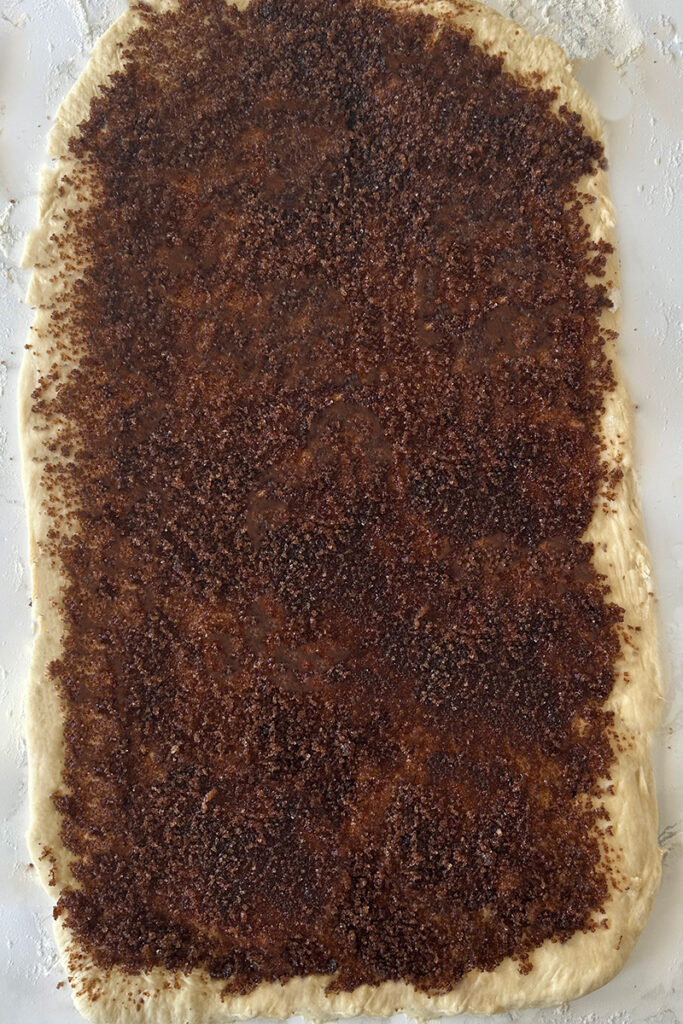
- Lightly spread the oil over the dough. Then sprinkle the cinnamon sugar mixture over it as evenly as possible to the edges.
- From the longer side, roll the dough tightly until you have a log shape.
- Cut the roll into 12 pieces and place the pieces in a parchment paper-lined and greased 9×13 baking pan or a 9-inch round baking pan.
- Cover with plastic wrap, a towel, or something similar. Let it and put it in a warm place. Let dough sit rise until it has approximately doubled in size (again, the time it takes will depend on how warm the area is).
- Place the pan in an oven that has been preheated to 350°F and bake for approximately 20 minutes or until the dough browns only slightly.
- Remove the pan from the oven and let cool.
- In a bowl, combine the confectioners' sugar and water and mix well until you have a nice, thick, smooth glaze. If it is too thick, add a little more water at a time, mixing until you have reached a nice thick, but pourable, syrup.
- When the cinnamon rolls have completely cooled, spoon the glaze over them.
Notes
* I have found that it takes the dough longer to rise than bread, so have patience or make sure the room is warm—the warmer the room, the quicker it will rise—or you can place in a warm oven to rise..
Nutrition Information:
Yield:
12Serving Size:
1Amount Per Serving: Calories: 293Total Fat: 9gSaturated Fat: 1gTrans Fat: 0gUnsaturated Fat: 8gCholesterol: 16mgSodium: 189mgCarbohydrates: 49gFiber: 2gSugar: 23gProtein: 4g