Easy Potato-Crusted Fish Cutlets are a gluten-free, dairy-free alternative to traditional breaded fish cutlets. This simple, budget-friendly, vegetarian dish uses only 4 ingredients for a quick and light, high-protein fish dinner.
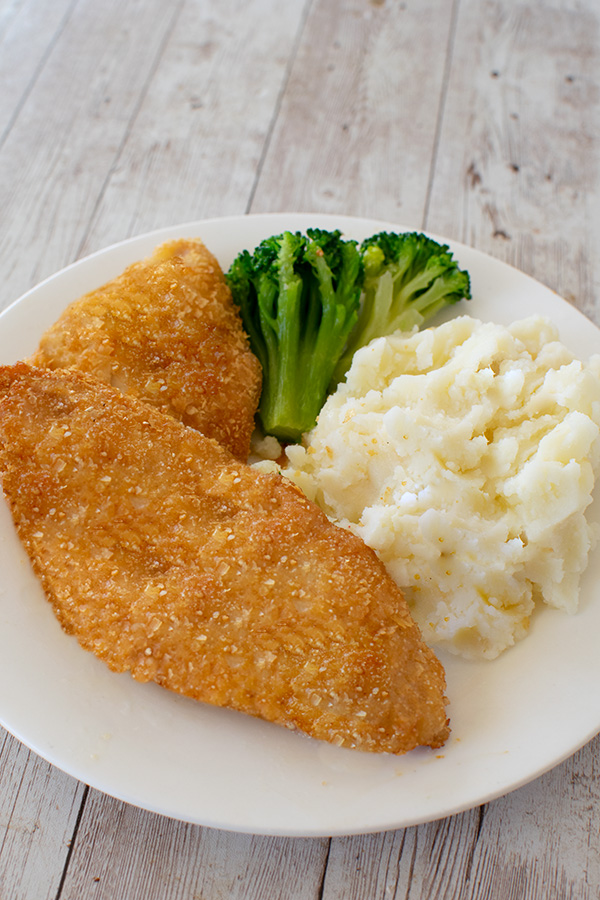
Also called fish shnitzels, these cutlets are a budget-friendly, high-protein, and versatile meal. This recipe uses a homemade spice blend for seasoning, but you can customize and use your own favorite seasonings instead.
Serve them on a plate with your favorite sides or place them in a sandwich with your favorite toppings.
Eat them plain or with condiments.
They're great with French fries, so you can make a terrific fish-and-chips alternative to the traditional breaded kind.
Great for a quick fish dinner on busy weeknights or lunch on weekends!
Useful info for cooking:
What are the different oils used in cooking?
"High-heat" oils have neutral flavors and have been processed in order to handle high temperatures and are good for sautéing, searing, and frying. These include canola oil, vegetable oil, avocado oil, and grapeseed oil, each with its own "best for" with chefs.
Some oils have their own flavor and are good for sautéing and roasting and add a little extra to the dish. These include extra virgin olive oil, coconut oil, and peanut oil. Extra virgin olive oil works well with roasting or sautéing, but not for deep frying.
Coconut oil is good in dishes where a slightly coconut flavor enhances the dish, and peanut oil is good for deep-frying and will add a subtle nutty taste and smell. Many Asian dishes call for peanut oil in the ingredients.
Then there are oils that are not used with heat but rather for dressing up foods, such as sesame oil, flaxseed oil, and walnut oil, among others.
What does it mean when recipes say "to taste" about an ingredient?
When recipes say "to taste," it means that you can put in as little or as much as you like to your own taste. Some recipes have many ingredients that a cook can adjust to their own taste when cooking (not so much when baking though).
The best way to calculate what your taste is with a recipe that you are not yet familiar with is to first taste the dish and then add the "to taste" ingredient GRADUALLY, a little at a time-a splash of this or a pinch of that-until the dish is just the way you like it.
Make sure to stir the ingredient after each time you add it so that the flavor will distribute evenly and become part of the dish. Then taste again. Repeat until you reach your personal preference.
Note: If you plan on using the recipe again, it is highly recommended to make a note of what and how much you added so that you can refer to it next time.
What does it mean when a recipe says that an ingredient is "optional"?
If an ingredient is "optional," it means that you can add it in or not based on your own preference. An optional ingredient can be flavor-related (i.e., salty, sweet, spicy, etc.), appearance-related (a garnish), or even something like nuts or chocolate chips in baking.
Frequently Asked Questions (FAQs)
What type of fish works best for potato-crusted fish cutlets?
Firm white fish fillets such as cod, halibut, haddock, or tilapia work best because they hold their shape well when shaped into cutlets and cooked to a crispy finish.
How do I keep the potato crust from falling off the fish?
Make sure the fish fillets are thoroughly patted dry before coating to remove excess moisture. Press the potato mixture firmly onto the fish to help it adhere tightly before cooking.
Can I make these fish cutlets ahead of time?
Yes. You can prepare and coat the cutlets in advance and store them in the refrigerator for a short time before cooking. For the crispiest texture, cook them right before serving.
How do I store and reheat leftover fish schnitzel?
Store leftover cutlets in an airtight container in the refrigerator for up to 2 to 3 days. Reheat them in an oven or air fryer at 400°F for 5 to 7 minutes to restore their crispiness, avoiding the microwave to prevent a soggy crust.
What is a schnitzel anyway?
The word "schnitzel" comes from German, meaning "cutlet," and is prepared from fried or baked tenderized slices of meat coated with egg and flour or breadcrumbs.
Of course, the schnitzel in this recipe is made from fish and not meat.
Everyday pantry essentials to keep in your kitchen (suggested)
I have found that this list of "essentials" is great to always have on hand in my kitchen and has saved me numerous sudden trips to the store or having to borrow from a neighbor.
Seasoning and flavoring:
- salt (my recipes use regular table salt)
- ground black or white pepper
- granulated garlic or garlic powder (I prefer granulated)
- onion powder
- sweet paprika and/or sweet pepper flakes (paprika is ground dried red pepper, pepper flakes are crushed dried red pepper)
- hot paprika, hot pepper flakes, or cayenne pepper (moderately spicy dried ground chili pepper) for those occasional spicy dishes
- ground turmeric
- ground cumin
- ground cinnamon
- ground ginger
- ground nutmeg
- ground cloves (for pumpkin flavors)
- sugar (granulated)
- brown sugar
- chicken consommé powder / beef bouillon powder (regular or vegetarian)
- onion soup mix
- onion flakes (substitute for fresh onion-3 tablespoons for 1 medium onion).
- various herbs
- additional spices to adapt taste to preference
Misc:
- oil / margarine / butter / cooking spray
- coconut cream as a dairy-free cream substitute
- flavorless milk substitute as a dairy-free milk alternative
- cornstarch as a thickening agent
- flour
- baking powder
- baking soda
- bread crumbs or cornflake crumbs (you can make these with your blender or food processor) for coating
- condiments, such as ketchup, mustard, barbecue sauce
- tomato sauce/tomato paste/canned tomatoes-diced or crushed/pasta sauce
- soy sauce (makes a great flavoring for savory foods)
Cutlets are called schnitzels by people from countries such as Germany, Austria, and Israel.
What is a schnitzel?
The word "schnitzel" comes from German, meaning "cutlet," and is prepared from fried or baked tenderized slices of meat coated with egg and flour or breadcrumbs.
The story goes that schnitzel was brought to the Austro-Hungarian Empire from Italy in the middle of the 19th century.
Ever heard of the term "Wiener schnitzel" (the "w" being pronounced like a "v")? Well, apparently, the schnitzel dish of veal coated in breadcrumbs and fried in butter or lard was named after the Austrian city of Vienna somewhere around the turn of the 20th century, and the wienerschnitzel was born!
Then, like today, the dish was often served with fries or mashed potatoes.
Before coating, the meat is either tenderized-using a meat-tenderizing hammer-or just cut into thin slices.
Today, this original dish is prepared and served throughout the world in a variety of ways, using veal, lamb, beef, pork, turkey, or chicken, and may be known by different names (such as breaded veal cutlet, breaded pork chop, or chicken-fried steak).
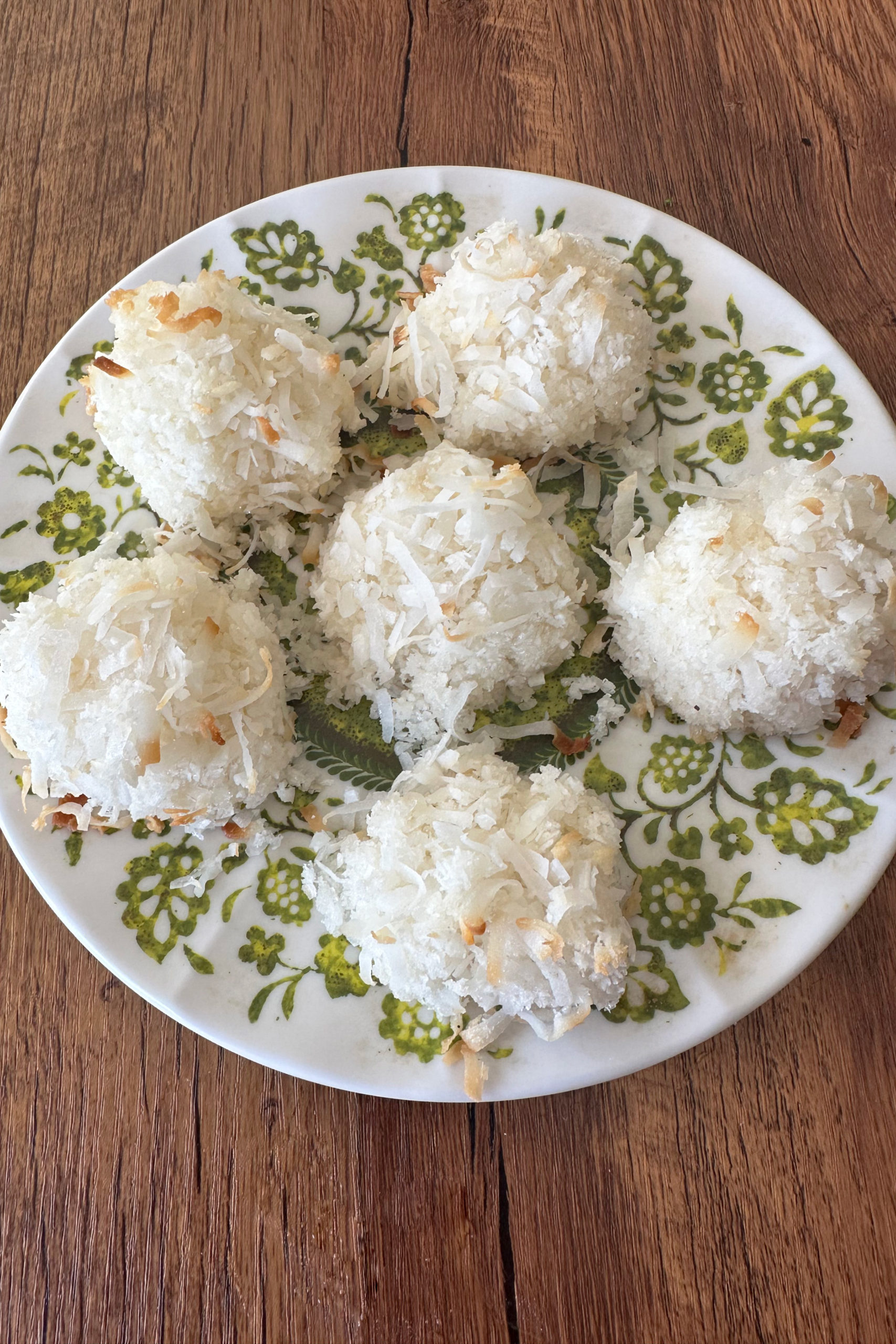
And here is a gluten-free dessert to go with your gluten-free dinner:
Love fish? Try these!

Easy Potato-Crusted Fish Cutlets Recipe
Gluten-free, dairy-free, and vegetarian potato-coated fish fillets.
Ingredients
- 4 6-ounce raw fish cutlets
- 1 egg, beaten
- 1 cup cup of instant potato flakes
- 1 tablespoon Israeli Grill Seasoning Mix **
- oil for frying
Instructions
- Place the potato flakes and the Israeli Grill Seasoning Mix in a bowl and combine well. Then, place the beaten eggs in another bowl (make sure both bowls are large enough to easily accommodate the raw fish cutlets).
- Pour oil into a frying pan so it reaches approximately ⅛ - ¼ inch high and heat on medium. (You will know it's hot enough when you can toss a little bit of potato flakes in and it sizzles.)
- Take a piece of the raw fish and dip in the egg, coating well. Let the excess egg drip off a bit and then coat well with the potato flakes on both sides.
- Gently place in the hot oil.
- Repeat with the remaining cutlets. Make sure not to leave a little room between the cutlets.
- Fry on one side until golden brown, then gently turn and fry on the other.
- Remove from oil and place on paper towel lined plate too absorb excess oil and cool.
Notes
** This is a recommendation. You can spice as you wish or not at all (they may be somewhat bland if not spiced at all).
Nutrition Information:
Yield:
4Serving Size:
1Amount Per Serving: Calories: 367Total Fat: 14gSaturated Fat: 3gTrans Fat: 0gUnsaturated Fat: 10gCholesterol: 234mgSodium: 1467mgCarbohydrates: 15gFiber: 1gSugar: 1gProtein: 42g