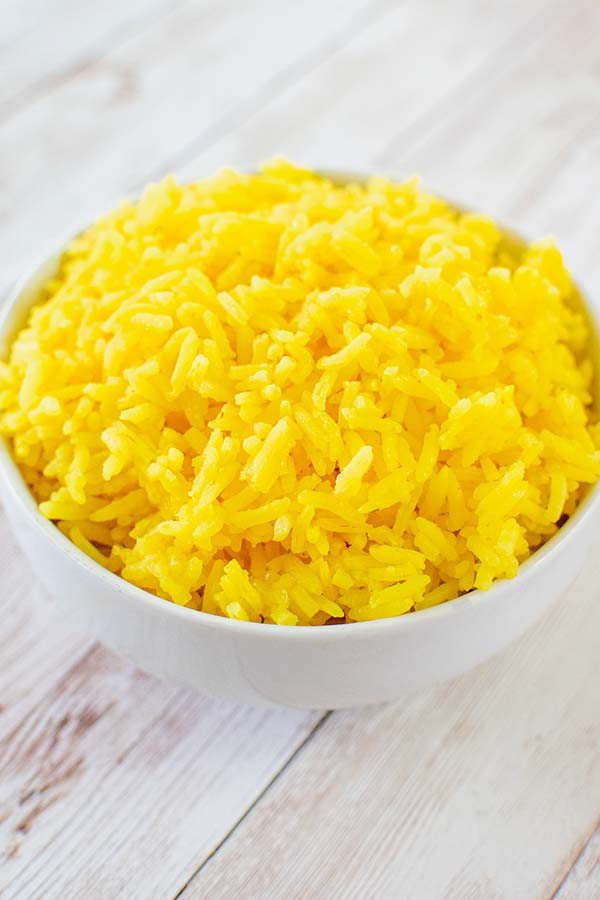
Easy Israeli Yellow Rice is a classic vegan Middle Eastern turmeric rice recipe with only 5 pantry ingredients. The yellow comes from the healthy, earthy turmeric.
A little about this rice
Israeli yellow rice is popular in Israeli food culture, but it originated with the Jews in other Middle Eastern countries such as Iran, Iraq, and Yemen.
Since the Muslims in the Middle East were against the establishment of the State of Israel, after the declaration of the State in 1948, life for Jews in other Middle Eastern countries became significantly more difficult because of hostility and attacks by Muslims.
This brought about a wave of immigration from those countries to Israel in the 1950s, and the Jews brought their delicious recipes and flavorful spices with them. This is the Mizrahi cuisine in Israel.
This dish was one of those, and it was adapted into Israeli cuisine and is an integral part of the food culture and is known simply as "yellow rice."
The yellow in the dish comes from turmeric, which has nutritional benefits and is less expensive than saffron, the other source for yellow, which may be used in Persian or Spanish yellow rice dishes.
Israeli-style yellow rice is a flavorful alternative to regular plain rice and makes a great side to any dish, whether vegan, vegetarian, chicken, or meat.
A little about Israeli cuisine
Some people complain about cultural appropriation in cuisine when food from one country is attributed to another country.
However, national cuisine in itself is often a mingling of food from a variety of cultures, often due to a change of ruling countries and a shifting of borders.
Turkish cuisine, for example, goes back to the Ottoman Empire and was a combination of several cultures under Ottoman rule.
When people move from country to country, they will take their cultures with them, and their descendants may adapt their traditional cuisine with that of their new home.
When one lives in a melting pot, such as the US or Israel, it is just unrealistic to expect that food from a particular culture won't mingle with that of other cultures.
That being said, "Israeli cuisine" is basically Middle Eastern (as opposed to Eastern European food) that was brought to Israel by Jews when they fled or were expelled from Muslim countries and moved to Israel mostly after the declaration of the State of Israel (collectively known as Mizrahi Jews).
Recipes were passed from generation to generation, and although decades have passed, the foods are still known by the culture they came from, and everyone seems to have their own way of making them.
That said, there are many variations of pretty much any "Israeli" recipe because of background, custom, or even just taste. When choosing a recipe, one has to know what actually constitutes a main ingredient-what makes the dish what it is-and what is left up to individual taste.
So, find the recipes you like with the ingredients you prefer, add your own twists, and בתאבון (pronounced: b'te'ah'vone, literally translated, "with appetite")!
Some cooking terms
What does it mean when recipes say "to taste" about an ingredient?
When recipes say "to taste," it means that you can put in as little or as much as you like to your own taste. Some recipes have many ingredients that a cook can adjust to their own taste when cooking (not so much when baking though).
The best way to calculate what your taste is with a recipe that you are not yet familiar with is to first taste the dish and then add the "to taste" ingredient GRADUALLY, a little at a time-a splash of this or a pinch of that-until the dish is just the way you like it.
Make sure to stir the ingredient after each time you add it so that the flavor will distribute evenly and become part of the dish. Then taste again. Repeat until you reach your personal preference.
Note: If you plan on using the recipe again, it is highly recommended to make a note of what and how much you added so that you can refer to it next time.
What does "savory" mean?
"Savory" refers to foods that are not sweet, such as foods that taste salty, spicy, or herbal.
Frequently Asked Questions
Is this rice dish vegan?
Yes, this recipe is vegan-just rice and seasoning-making it a great versatile side dish for any meal.
Why is the rice yellow?
The vibrant yellow color comes from healthy, earthy turmeric, which also provides nutritional benefits.
Can I use saffron instead of turmeric?
Turmeric is used because it is less expensive, but saffron is the traditional alternative used in Persian or Spanish yellow rice dishes if you prefer.
How many ingredients do I need?
You only need 5 basic pantry ingredients to put this traditional Middle Eastern side dish together-rice and seasonings.
What foods go well with this rice?
It makes a fantastic, flavorful alternative to regular plain rice and pairs wonderfully with vegan, vegetarian, chicken, or meat main courses.
Where did this recipe originate?
While popular in Israeli food culture, it originated with Mizrahi Jews who brought their traditional recipes and spices with them when immigrating from countries like Iran, Iraq, and Yemen in the 1950s when they escaped persecution after the establishment of the State of Israel.
What is needed to make delicious Israeli yellow rice?
I hardly ever meal plan, so I like to keep a cupboard full of seasonings, spices, veggies, and canned goods in my kitchen to use whenever the mood strikes.
But these are all you need to have on hand to make this recipe even last-minute!
rice (we like to us Basmati rice, but you can use whichever you like)
vegetarian chicken bouillon powder
turmeric
ground black pepper
oil
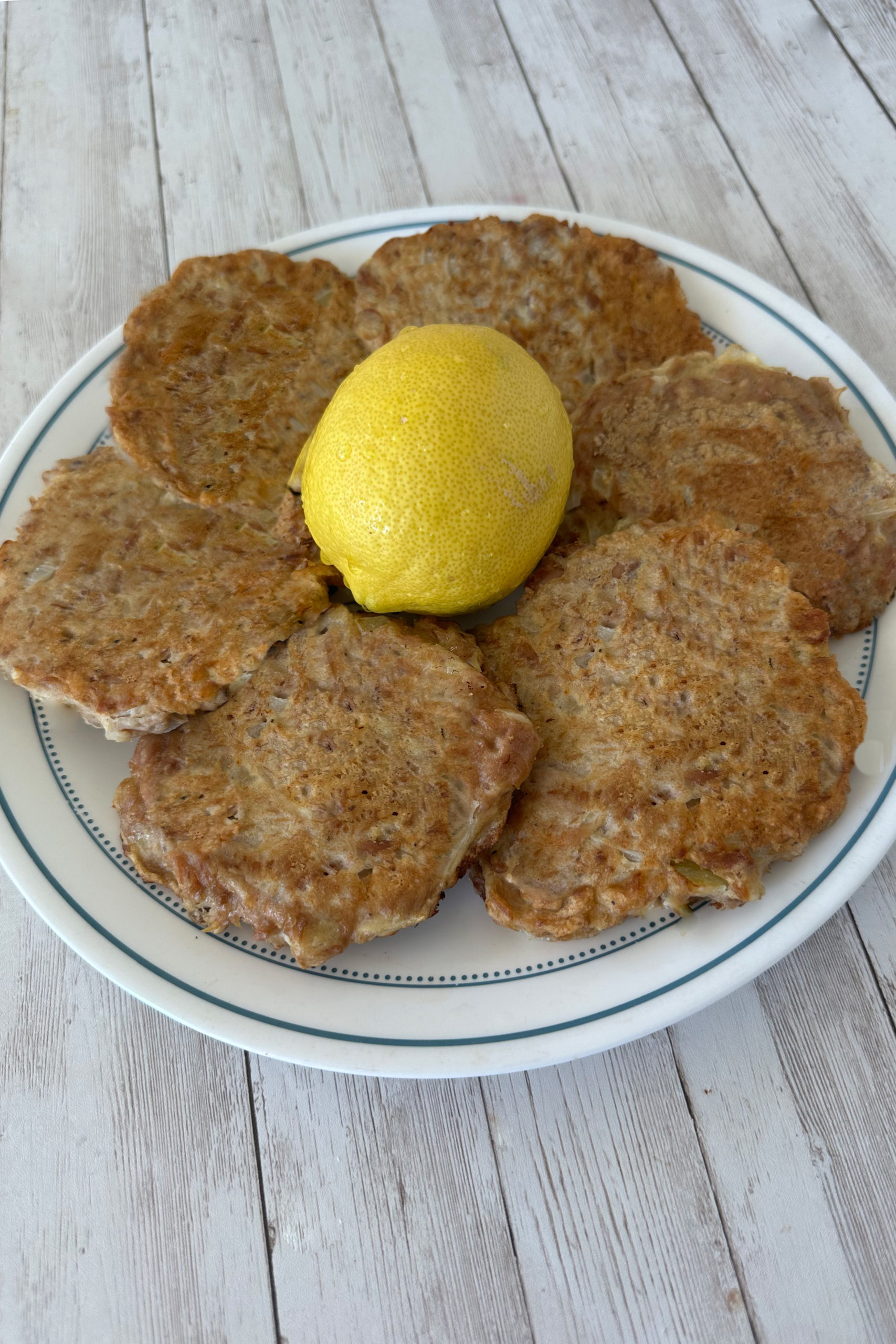
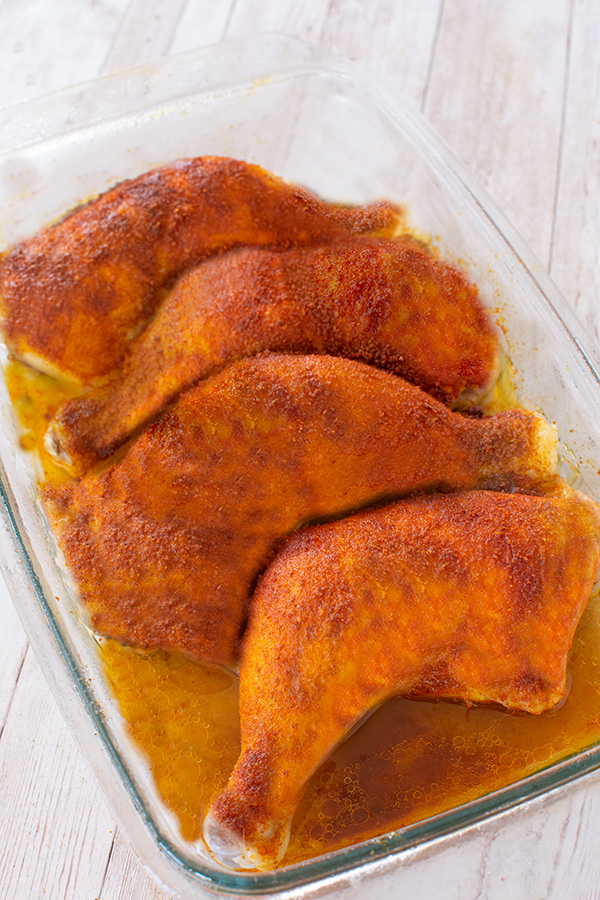
Here's a delicious chicken to have as a main dish with your yellow rice!
Like Israeli and Middle Eastern foods? Try these!
Matbucha
Moussaka
Hummus
Shakshuka
Easy Israeli Yellow Rice Recipe
Delicious and simple, Israeli rice side dish with health, earthy turmeric!
Ingredients
- 1 cup rice*
- 2 teaspoons vegetarian chicken bouillon powder
- ½ teaspoon turmeric
- ⅛ teaspoon ground black pepper
- 2 tablespoons oil
- 2 cups water*
Instructions
- Put 2 cups of water up to boil.
- Coat the bottom of a suitable size pan with oil.
- On medium heat, lightly fry the rice for a few minutes.
- Mix in the turmeric, pepper, and chicken consomme powder.
- Add the boiling water and mix well.
- Turn the heat down and simmer until the rice if fully cooked (as per instructions on the package).
Notes
*If this is not the ratio called for (ie 1 cup of rice to 2 cups of water), then follow the instructions on the package of rice that you are using. We like to use Basmati rice.
Nutrition Information:
Yield:
6Serving Size:
1Amount Per Serving: Calories: 101Total Fat: 5gSaturated Fat: 0gUnsaturated Fat: 5gSodium: 17mgCarbohydrates: 12gFiber: 0gSugar: 0gProtein: 2g