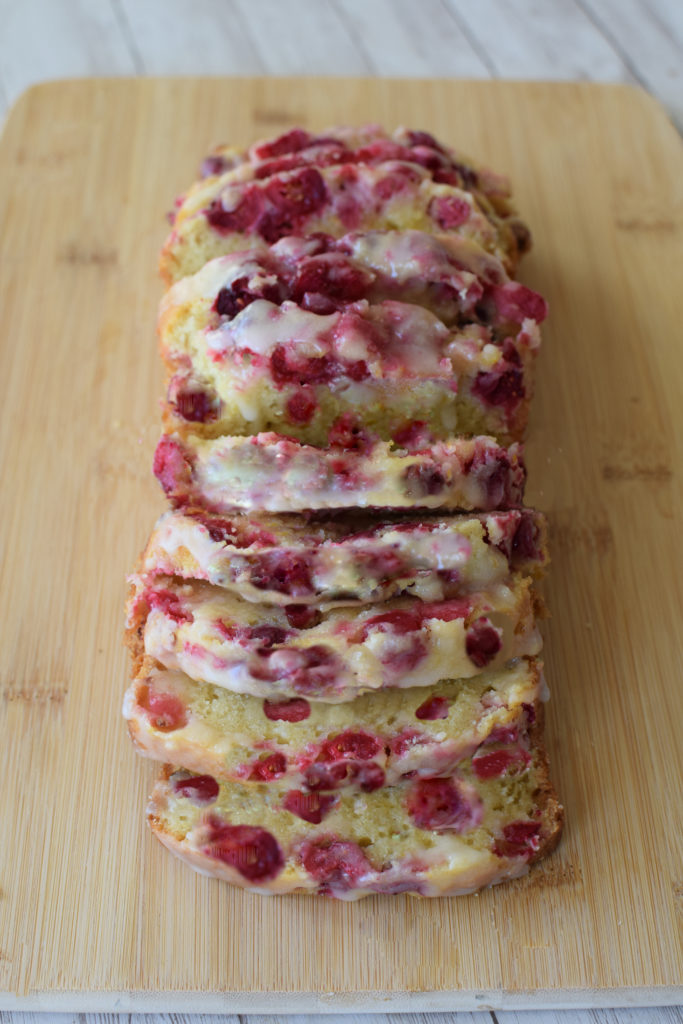
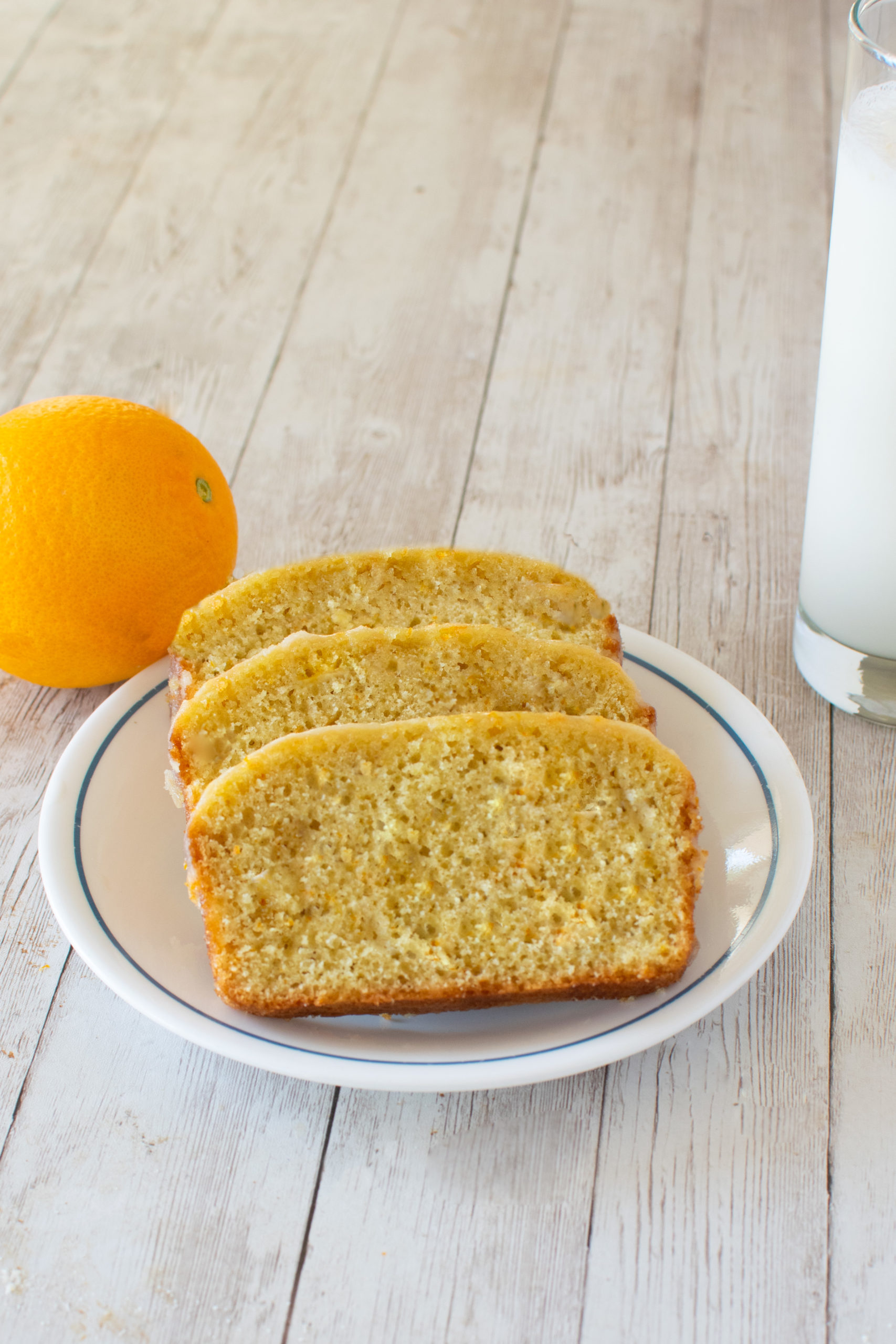
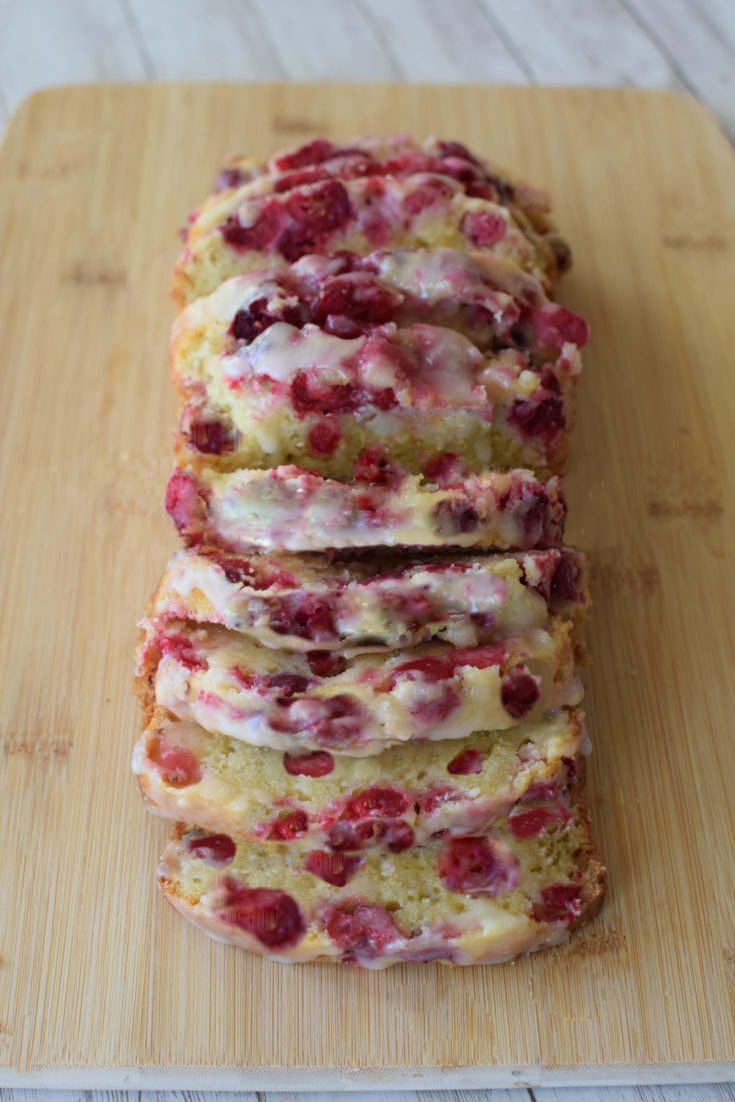
Easy dairy-free cranberry-orange loaf cake is a simple recipe for a delicious dessert that combines the bright flavor of citrus with the tangy taste of cranberries, made without milk or butter.

About this loaf cake...
Easy dairy-free cranberry-orange loaf cake is a simple cake that uses cranberries, real orange juice, and zest for a wonderful combination of tangy and citrus.
It's a budget-friendly, unique cake that will stand out.
It's perfect for special occasions, to bring as a dessert when you're a guest, or as your contribution to a potluck dinner. And if you want to bring something exceptional to that new neighbor, this loaf cake will do the trick.
Or you can spoil yourself and have it with your morning coffee or as a treat after a long, busy day.
And since it's made without milk or butter, it's terrific for anyone avoiding dairy. And since the recipe uses oil, it's also made without margarine.
And cranberries have nutritional value.
Frequently Asked Questions about cranberry-orange loaf cake
How do I prevent the cranberries from sinking to the bottom?
Coating your cranberries in a little flour before gently folding them into your homemade cranberry orange loaf batter helps suspend the fruit evenly throughout the cake as it bakes.
Can I use frozen cranberries instead of fresh ones?
Yes. This recipe calls for either fresh or frozen cranberries. However, if you use frozen cranberries, do not thaw them before adding them to the batter. Just use them straight from the freezer, quickly coat them in flour (if you want to help prevent sinking), and fold them into the batter so they don't bleed too much color into the dough.
Why is oil used instead of butter in this recipe?
Using oil instead of butter or margarine is the secret to an exceptionally tender texture. It creates a reliable moist cranberry orange loaf recipe that stays soft and fresh for days longer than baked goods made with solid dairy fats.
Can I leave off the orange glaze from this loaf cake?
Yes. The recipe calls for orange glaze, which enhances the flavor, but you can top with whatever you like or not at all.
How should I store this loaf cake to keep it moist?
Wrap your dairy-free cranberry orange cake tightly in plastic wrap or store it in an airtight container at room temperature for up to three days, or refrigerate it for up to a week.
Can I freeze this cranberry orange loaf?
Yes, this loaf freezes wonderfully. Wrap the baked, unglazed cake tightly in plastic wrap and aluminum foil, and freeze it for up to three months. Thaw overnight at room temperature before slicing.
FAQs about baking in general:
Which ingredients are good to have in my kitchen to bake simple desserts on short notice?
- flour
- white granulated sugar
- brown sugar (light/dark-I usually keep dark)
- confectioners' sugar (powdered sugar)
- salt
- baking powder
- baking soda
- cocoa powder
- ground cinnamon
- ground nutmeg
- ground ginger
- ground cloves
- baking chocolate
- chocolate chips
- instant dry yeast
- vanilla and/or vanilla sugar
- cooking oil/cooking spray
- margarine or butter
- eggs
- honey
- instant coffee
- various extracts (real or imitation)
- a variety of fillings, frostings, and toppings:
- whipping cream
- packaged pie dough or ready-made pie crusts
- puff pastry dough
Why do recipes have salt in the ingredients of baked goods?
Even though salt tends to make foods, well, salty, it actually plays other roles in baking as well.
For example, the right amount of salt balances flavors in baked goods; it can bring out the sweetness of sugar and, at the same time, prevent them from tasting overly sweet. It also can help dull the bitterness of cocoa.
Salt prevents baked goods from tasting bland, while it balances the richness of the fats. It also helps develop flavor in yeast breads and works with proteins to strengthen gluten and make it more elastic.
Salt also slows down yeast fermentation because it prevents the yeast from eating up the sugars too quickly, which otherwise would cause the dough to rise too fast and then ultimately collapse, causing bread to come out flat instead of fluffy.
Salt helps baked goods stay a little fresher for a little longer and helps delay mold from growing on them.
What is the difference between baking soda and baking powder?
Baking soda and baking powder are both synthetic leavens that help baked goods rise, but there is a difference between them.
Baking soda is pure sodium bicarbonate, which needs another ingredient that is acidic in order to be activated. When the baking soda touches the acid, it creates a carbon dioxide gas, which helps the baked good rise. Baking soda is between 3 and 4 times stronger than baking powder, and if too much baking soda is used, your baked good will end up with a metallic flavor.
Baking powder is baking soda that is already mixed with an acid and a stabilizer and will be activated by moisture and heat. Nowadays, baking powder is called double-acting because it activates twice-once when it gets wet (when you mix the ingredients together) and again when it heats in the oven.
Replacing one with the other can be tricky, and it's not recommended. However, if you have no choice, then do solid research for substituting one for the other for the baked good you are preparing so you don't ruin it.
What do eggs do in baking?
Eggs are made up of two parts: the whites and the yolks (the yellow).
Egg whites are made up of protein that sets when heated and helps baked goods hold their structure. The yolks are made up of fats and vitamins and help ingredients bond.
Eggs also help baked goods rise as well as keep them moist.
It is important to have the right amount of eggs when baking, because if there are too many eggs in a recipe, this can cause a rubbery, dense texture, and if there are too few eggs, this can cause a crumbly, dry texture.
The different parts of the egg will provide different textures to baked goods; using the entire egg in baking will provide moisture and help the baked good rise evenly, using extra yolks will create richer, denser textures, and extra whites will add fluffiness but may create a drier texture.
What is the difference in using oil vs. butter or margarine?
Both margarine and butter are solid fats at room temperature, and both contain more saturated fats than oil.
While margarine and butter will change from a solid to a liquid when heated, they will change back to solids when cooled again. Oil stays liquid at all temperatures. Oil also coats flour better in the preparation process before baking.
Butter "creams" better than margarine, but one cannot cream oil at all.
When converting a recipe from butter or margarine to oil, the general conversion rate is 1 to ¾ (although if you are doing more than one batch, you might need to reduce the oil because I have found that baked goods come out oily in this case).
And when converting from oil to margarine or butter, typically the ratio is 1 to 1¼, and from margarine or butter to oil, the ratio is typically 1 to ¾.
What is the difference between real vanilla extract and imitation vanilla?
Real vanilla is made from soaking vanilla beans in alcohol, imitation vanilla is synthetic, and real vanilla costs quite a bit more than imitation. Whether or not there will be a taste difference in your baking depends on the baked good, so do some research before you decide.
I personally always use the imitation as long as I have a really good brand because it's not worth it to me to spend the extra money.
Should I sift flour before I use it?
Unless you are concerned about bugs or clumps from moisture, the need to sift depends on your recipe.
For example, you don't need to sift for dense baking like muffins or quick breads, where lumps won't ruin the texture. But you should sift for recipes that rely on air bubbles, such as sponge or angel cakes or soufflés. You also should sift your flour if you are making baked goods with a high fat content, such as brownies, because it is important that the fat be absorbed throughout all of the flour, and having flour clumps could prevent this.
Sifting the baking powder and/or baking soda together with the flour and salt before mixing in the other ingredients may be able to help prevent cakes from coming out lopsided, where one side may be somewhat higher than the other.
What supplies and equipment are good to have for simple baking?
- a stand mixer,
- a hand mixer
- a kitchen scale
- different sizes and shapes of baking pans, including loaf pans
- mixing bowls
- cookie sheets
- pie dishes
- dry measuring cups
- liquid measuring cups
- measuring spoons
- whisks
- rubber spatulas
- rolling pins
- a baking mat for rolling out dough
- baking strips
- baking paper for cookie sheets, round cake pans, and muffin/cupcake tins.
Like loaf cakes? Try these!
Easy Dairy-Free Cranberry-Orange Loaf Cake Recipe

Delicious and moist, citrus and tangy loaf cake, made without milk, butter, or margarine.
Ingredients
Loaf
- 1 ½ cups all-purpose flour
- 1 ½ cups frozen (do not let defrost before use)* or fresh cranberries
- ¾ cup white granulated sugar
- ½ cup (real) orange juice
- ⅓ cup of oil
- 2 tablespoons of orange zest
- 1 teaspoon baking powder
- ¼ teaspoon salt
- 2 large eggs
Orange Glaze
- 1 cup powdered sugar
- 1 ½-2 tablespoons (real) orange juice
- 1 teaspoon orange zest
Instructions
- Mix the flour, sugar, baking powder, and salt in a mixing bowl.
- Mix in the orange juice, oil, and eggs.
- Mix in the orange zest.
- Coat the cranberries in a little flour** and fold most of them into the batter, leaving some for the top.
- Pour the batter into a 9"x5" lined or greased loaf pan and top with the remaining cranberries.
- Place in an oven that has been preheated to 350°F and bake for 40–45 minutes or until the top is a golden color and a toothpick inserted into the center comes out clean.
- Let cool.
- Mix the powdered sugar and orange juice (only enough juice for the sugar to become thick but pourable) and then mix in the orange zest.
- Pour evenly over the loaf.
Notes
* If you let the frozen cranberries melt, the juice will spread in your batter.
**Optional—this is to help prevent the cranberries from sinking.
Nutrition Information:
Yield:
8Serving Size:
1Amount Per Serving: Calories: 541Total Fat: 12gSaturated Fat: 1gUnsaturated Fat: 11gCholesterol: 47mgSodium: 165mgCarbohydrates: 103gFiber: 4gSugar: 60gProtein: 7g