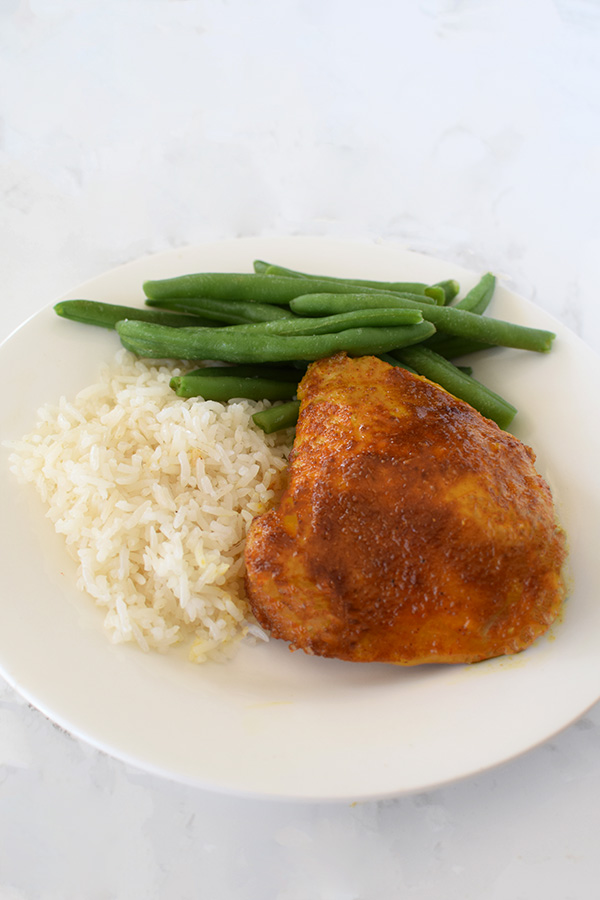
Easy Israeli Grill Spice Roasted Chicken is a 2-ingredient recipe using a unique savory seasoning blend that's a very popular rub in Israeli food culture. It doesn't get simpler than this!
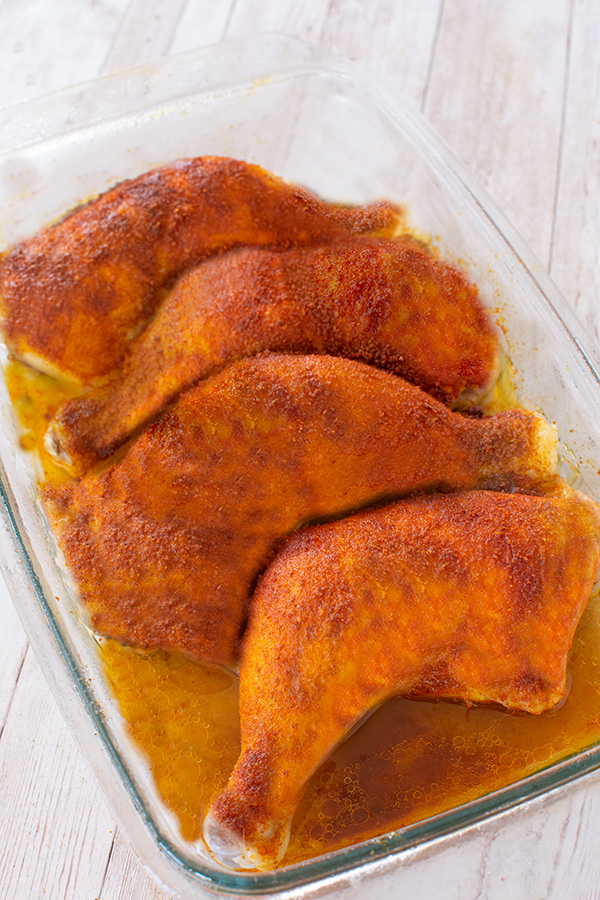
This chicken recipe gets its flavor from a simple 5-ingredient seasoning rub recipe that combines with the natural juices of the chicken to create tender and delicious chicken dishes every time, whether you bake, broil, roast, or barbecue!
If you live near an Israeli food store, you can buy the seasoning in packets. Otherwise, making the seasoning on your own is simple and quick with just 5 spice ingredients that store well.
It's perfect for a quick-prep chicken dinner with family or friends and a terrific unique chicken main dish for a potluck.
You can prep in the morning and cook when you come home. Or, since it refrigerates well, you can even make it ahead and warm it up when you come home from school or work!
And chicken has nutritional benefits!
Frequently Asked Questions (FAQs): Grill Spice Chicken
1. What does the "Israeli Grill Spice" bring to the chicken?
The combination of sweet and hot paprika, garlic, and onion creates a complementary flavor profile used in Israel. It adds a vibrant red color and a savory, smoky intensity that brings out the natural flavor of the poultry.
2. What side dishes pair well with this chicken dish?
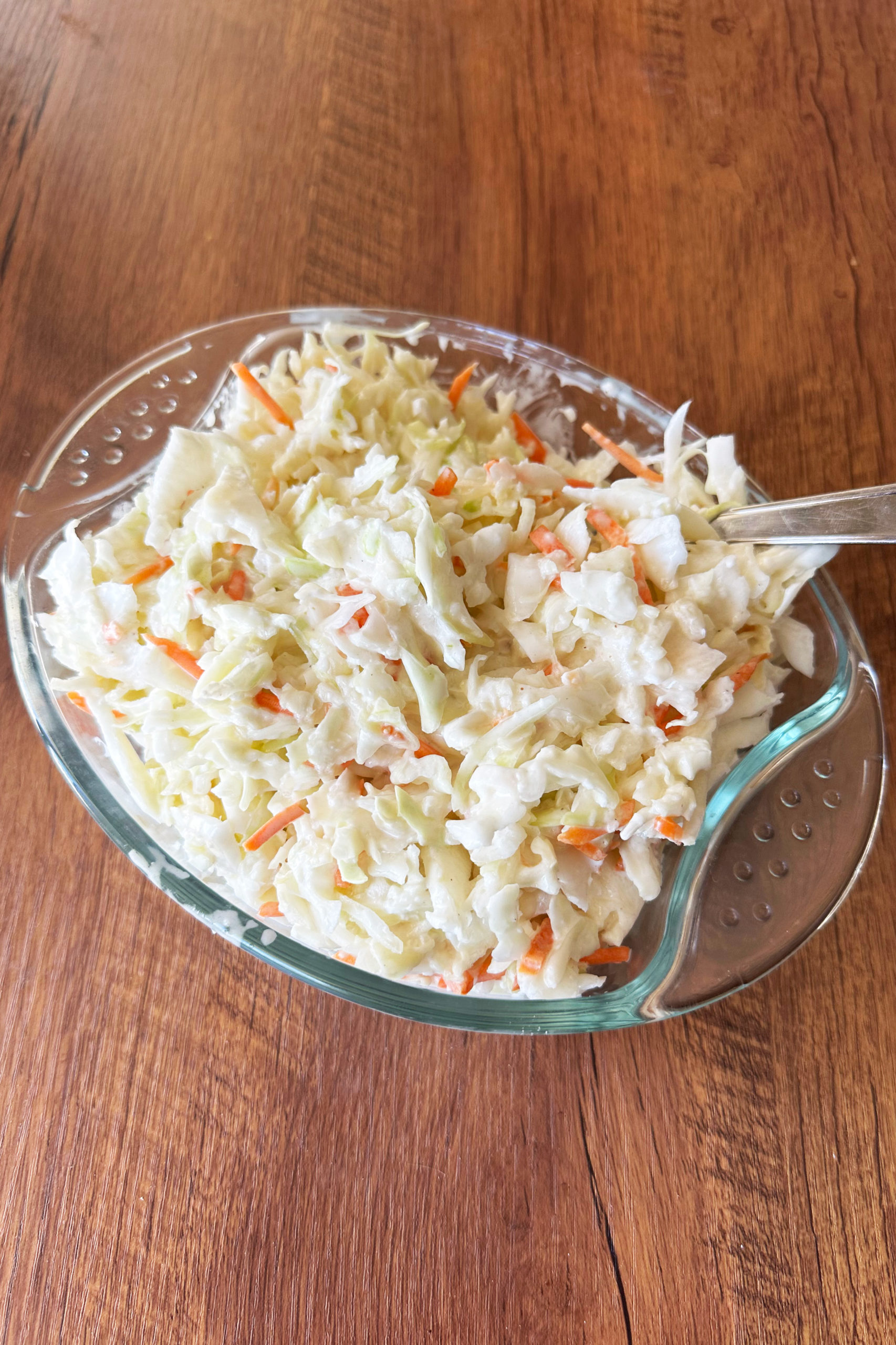
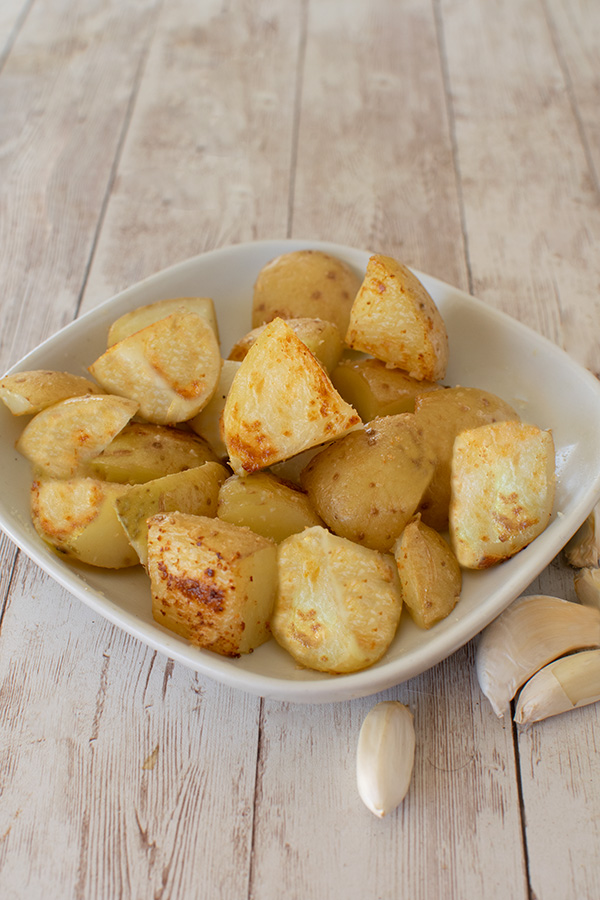
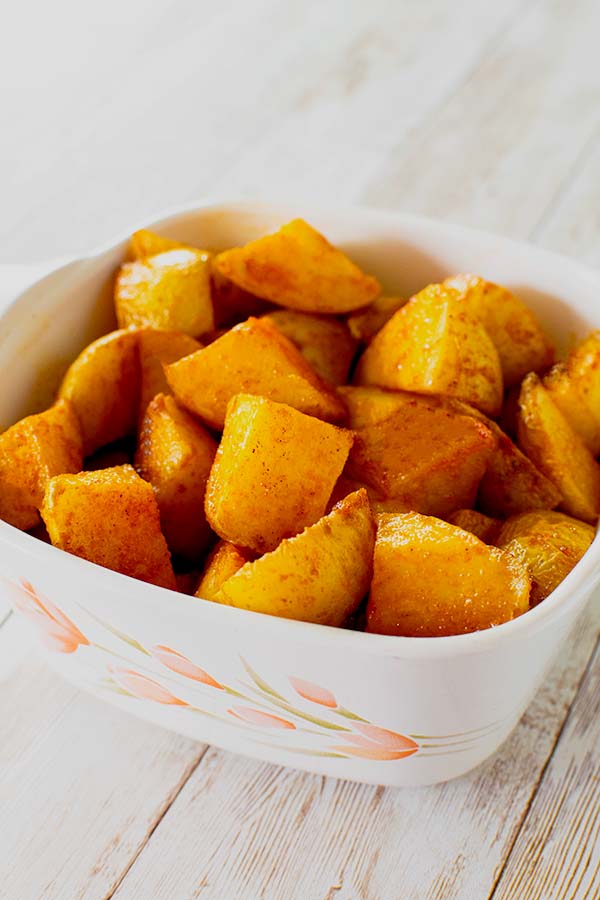
This savory chicken is delicious with starches, such as white rice, yellow rice, mashed or roasted potatoes, and bulgur as well as with any cooked vegetable. The drippings make a delicious gravy to pour over all of them.
3. How do I get a crispy skin when baking in the oven?
For the best results, start by patting the chicken completely dry with paper towels to remove surface moisture. Roast at a higher temperature (around 400°F-425°F) to help the skin crisp up. If you want even more color, finish the dish by placing it under the broiler for 2-3 minutes at the very end, keeping a close eye to prevent the paprika-heavy spices from burning.
4. Can I use this spice blend for different cuts of chicken?
Yes, this blend is incredibly versatile. It works perfectly on bone-in, skin-on thighs, drumsticks, or even a whole chicken. If you are using thinner cuts like boneless breasts, adjust the cooking time down to ensure they remain moist.
5. Does this chicken need to be marinated?
While not required, letting the chicken sit with the rub for 30 minutes to an hour at room temperature allows the salt and spices to penetrate the meat.
6. How do I prevent the spices from burning in the oven?
Since the blend contains paprika, high temperatures can sometimes make it bitter. If you are baking at a higher heat, lightly brushing the chicken with a thin layer of olive or cooking oil before applying the rub often helps protect the spices.
7. What is the benefit of using this specific spice blend for oven roasting?
Roasting concentrates the flavors of the garlic and onion powder, while the paprika deepens as it toasts in the oven's dry heat. This creates an intense, "barbeque-like" flavor in the chicken.
1. Can I freeze Easy Israeli Grill Spice Chicken?
Yes, you can freeze Easy Israeli Grill Spice Chicken. Once cooked and cooled completely, store the chicken in an airtight, freezer-safe container or a heavy-duty freezer bag for up to 2 months.
A little about Israeli cuisine
Some people complain about cultural appropriation in cuisine when food from one country is attributed to another country.
However, national cuisine in itself is often a mingling of food from a variety of cultures, often due to a change of ruling countries and a shifting of borders.
When people move from country to country, they will take their cultures with them, and their descendants may adapt their traditional cuisine with that of their new home.
When one lives in a melting pot, such as the US or Israel, it is just unrealistic to expect that food from a particular culture won't mingle with that of other cultures.
That being said, "Israeli cuisine" is basically Middle Eastern (as opposed to Eastern European food) that was brought to Israel by Jews when they fled or were expelled from Muslim countries and moved to Israel mostly after the declaration of the State of Israel (collectively known as Mizrahi Jews).
Recipes were passed from generation to generation, and although decades have passed, the foods are still known by the culture they came from, and everyone seems to have their own way of making them.
That said, there are many variations of pretty much any "Israeli" recipe because of background, custom, or even just taste. When choosing a recipe, one has to know what actually constitutes a main ingredient-what makes the dish what it is-and what is left up to individual taste.
What does it mean when recipes say "to taste" about an ingredient?
When recipes say "to taste," it means that you can put in as little or as much as you like to your own taste. Some recipes have many ingredients that a cook can adjust to their own taste when cooking (not so much when baking, though).
The best way to calculate what your taste is with a recipe that you are not yet familiar with is to first taste the dish and then add the "to taste" ingredient GRADUALLY, a little at a time-a splash of this or a pinch of that-until the dish is just the way you like it.
Make sure to stir the ingredient after each time you add it so that the flavor will distribute evenly and become part of the dish. Then taste again. Repeat until you reach your personal preference.
Note: If you plan on using the recipe again, it is highly recommended to make a note of what and how much you added so that you can refer to it next time.
What does "savory" mean?
"Savory" refers to foods that are not sweet, such as foods that taste salty, spicy, or herbal.
Recommended seasonings to keep in your kitchen:
- salt (my recipes use regular table salt)
- ground black or white pepper
- granulated garlic or garlic powder (I prefer granulated)
- onion powder
- sweet paprika and/or sweet pepper flakes (paprika is ground dried red pepper, whereas pepper flakes are crushed dried red pepper)
- hot paprika, hot pepper flakes, or cayenne pepper (moderately spicy dried ground chili pepper) for those occasional spicy dishes
- ground turmeric
- ground cumin
- ground cinnamon
- ground ginger
- ground nutmeg
- ground cloves (for pumpkin flavors)
- sugar (granulated)
- brown sugar
- chicken consommé powder / beef bouillon powder (regular or vegetarian)
- onion soup mix
- onion flakes (substitute for fresh onion-3 tablespoons for 1 medium onion).
- various herbs
- additional spices to adapt taste to preference
What is needed for this recipe?
I hardly ever meal plan, so I like to keep a cupboard full of seasonings, spices, veggies, and canned goods in my kitchen to use whenever the mood strikes.
But these are all you need to have on hand to make this recipe even last minute!
- chicken legs
- Israeli Grill Spice and BBQ Seasoning
Here are some delicious sides to pair with this chicken!
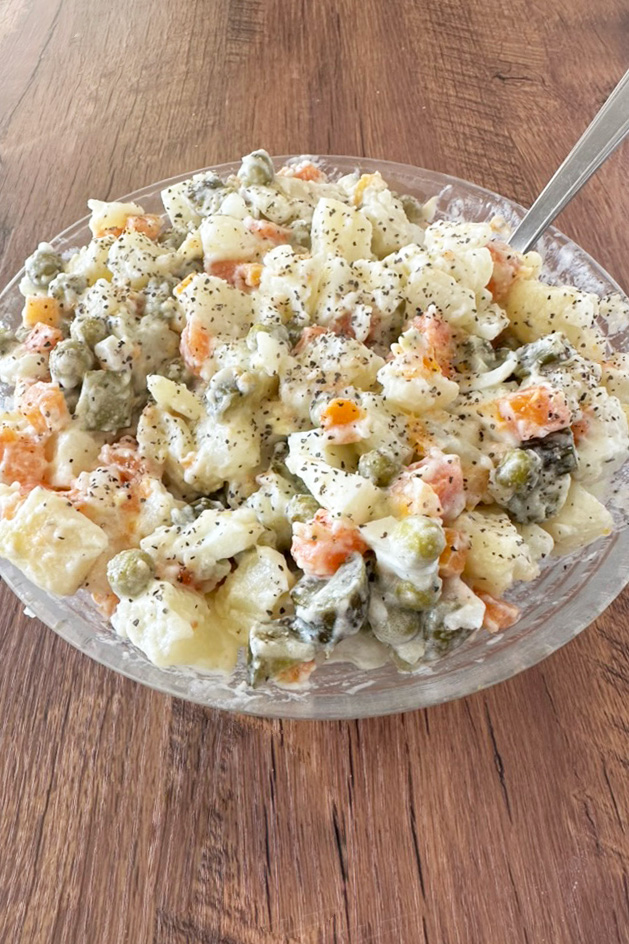
Like Israeli-Style Middle Eastern foods?
Try:
Matbucha
Moussaka
Hummus
Shakshuka
Easy Israeli Grill Spice Roasted Chicken
Amazingly flavorful, easy, 2-ingredient roasted chicken dish.
Ingredients
- 4 chicken legs, separated*
- 2-3 tablespoons Israeli Spice Mix
- cooking spray
Instructions
- Place chicken parts in a baking pan.
- Coat with cooking spray.
- Generously sprinkle or rub chicken grill mix evenly over the parts.
- Coat again with cooking spray.
- Bake at 425° for 45 mins or until you can slide a fork through.
Notes
*Feel free to use the equivalent amount of thighs only or drumsticks only.
Nutrition Information:
Yield:
4Serving Size:
1Amount Per Serving: Calories: 250Total Fat: 23gSaturated Fat: 6gTrans Fat: 0gUnsaturated Fat: 14gCholesterol: 335mgSodium: 268mgCarbohydrates: 0gFiber: 0gSugar: 0gProtein: 64g