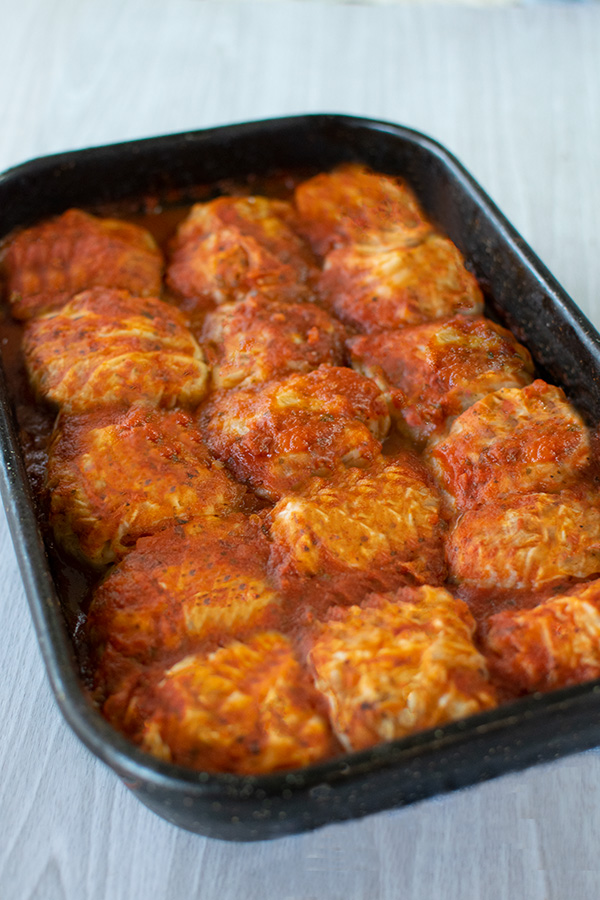
Easy savory stuffed cabbage rolls is a homemade, budget-friendly, dairy-free recipe for the classic and cozy beef dinner. The traditional Eastern European dish is typically made with a sweet and sour sauce, but these are savory.
A little about stuffed cabbage
This dairy-free, budget-friendly recipe is a dairy-free and savory recipe for the classic and cozy Eastern European beef and cabbage dinner.
Even though it originated in Eastern Europe, this is a popular dish worldwide, with each culture having its own name and own way of making it with different sauces, from savory to sweet and sour.
And it's a terrific way to use up your leftover rice.
The traditional Eastern European Jewish dish features a tangy sweet-and-sour tomato sauce, and the dish is called "holishkes" (it is also called by other names, such as "holipches," "golubtsi," "huluptzes," "prokes," or "gefilte kroit," depending on where one comes from).
While the dish itself is not originally a particularly "Jewish food," it does seem to fall under the Ashkenazi food category. Jews brought it to New York when they immigrated from Eastern Europe, and it can be found in most delis and Jewish restaurants with an Ashkenazi menu.
Stuffed cabbage can be served as a main course, a side, or even an appetizer! And it makes a terrific shareable meal at potluck dinners!
While the lengthy instructions may make you wonder if the dish is complicated, it really isn't. Just follow the simple instructions one at a time, and before you know it, you'll be done!
Besides being delicious, the beef and cabbage have nutritional benefits!
Don't like beef? Use ground chicken or turkey!
Want to make it vegan? Just use a meat substitute or increase the amount of rice to make up for the quantity of ground beef.
Some cooking terms
What does it mean when recipes say "to taste" about an ingredient?
When recipes say "to taste," it means that you can put in as little or as much as you like to your own taste. Some recipes have many ingredients that a cook can adjust to their own taste when cooking (not so much when baking though).
The best way to calculate what your taste is with a recipe that you are not yet familiar with is to first taste the dish and then add the "to taste" ingredient GRADUALLY, a little at a time-a splash of this or a pinch of that-until the dish is just the way you like it.
Make sure to stir the ingredient after each time you add it so that the flavor will distribute evenly and become part of the dish. Then taste again. Repeat until you reach your personal preference.
Note: If you plan on using the recipe again, it is highly recommended to make a note of what and how much you added so that you can refer to it next time.
What does it mean when a recipe says that an ingredient is "optional"?
If an ingredient is "optional," it means that you can add it in or not based on your own preference. An optional ingredient can be flavor-related (i.e., salty, sweet, spicy, etc.), appearance-related (garnish), or even something like nuts or chocolate chips in baking.
What does "savory" mean?
"Savory" refers to foods that are not sweet, such as foods that taste salty, spicy, or herbal.
What does it mean to sauté?
Cooking quickly in a small amount of oil or fat in a frying pan on a relatively high heat that causes a slight browning of the food on the outside.
Frequently Asked Questions (FAQs)
Can I freeze cooked stuffed cabbage rolls?
Yes, stuffed cabbage rolls freeze well. Let them cool completely, then place them in an airtight, freezer-safe container with their sauce. They can be frozen for up to 3 months.
How do I reheat leftover stuffed cabbage rolls?
You can reheat them gently on the stovetop over medium-low heat until warmed through, or bake them covered in an oven at 350°F for about 20-25 minutes until hot.
What kind of cabbage is best for making stuffed cabbage?
Standard green cabbage works best because the leaves are large, sturdy, and pliable once blanched or steamed, making them easy to roll without tearing.
Can I assemble stuffed cabbage rolls ahead of time?
Yes. You can assemble the entire dish a day in advance, cover it tightly, and store it in the refrigerator until you are ready to bake it for dinner.
What is needed to make savory stuffed cabbage rolls?
I hardly ever meal plan, so I like to keep a cupboard full of seasonings, spices, veggies, and canned goods in my kitchen to use whenever the mood strikes.
But these are all you need to have on hand to make this recipe even last minute!
cabbage
onion
ground beef
cooked rice
granulated garlic
tomato paste
savory pasta sauce
soy sauce
oil for frying
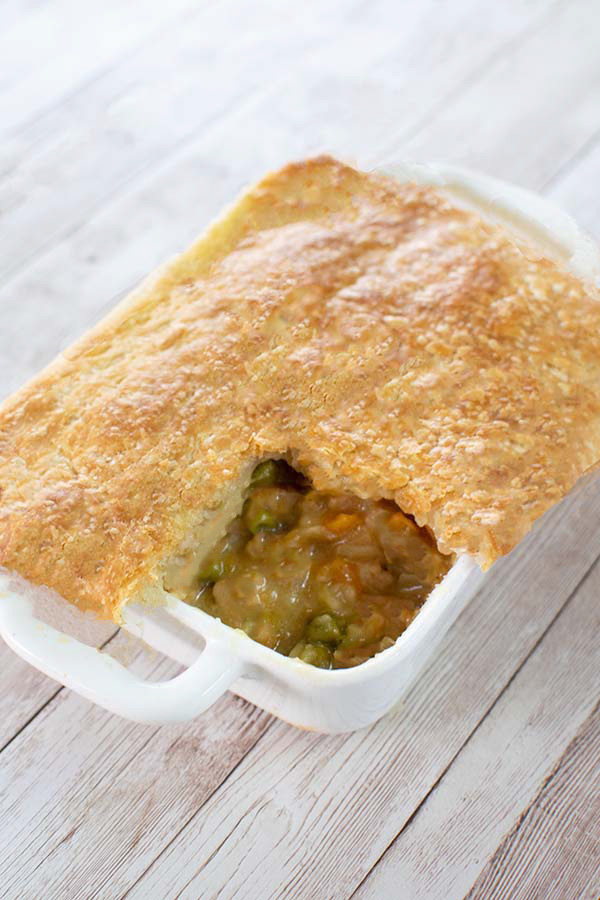
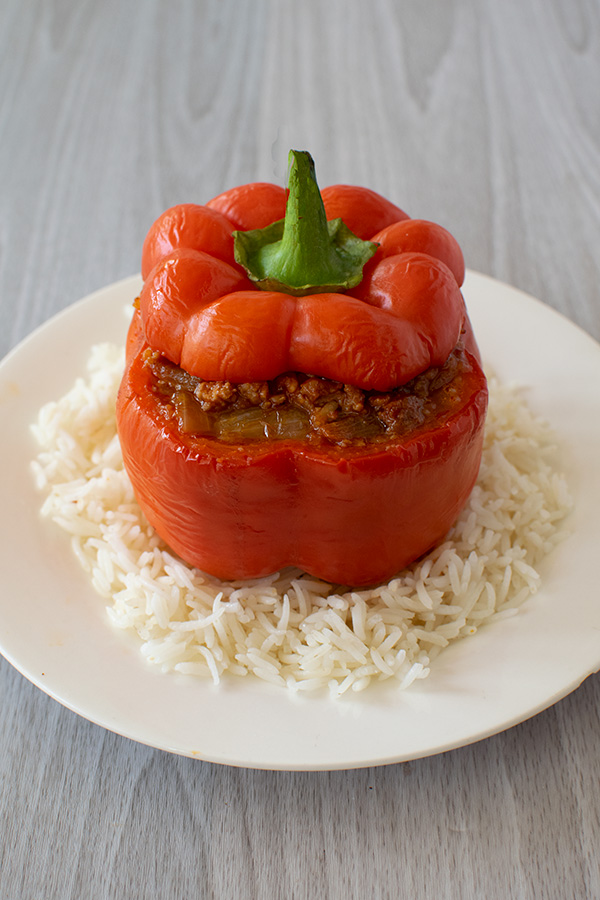
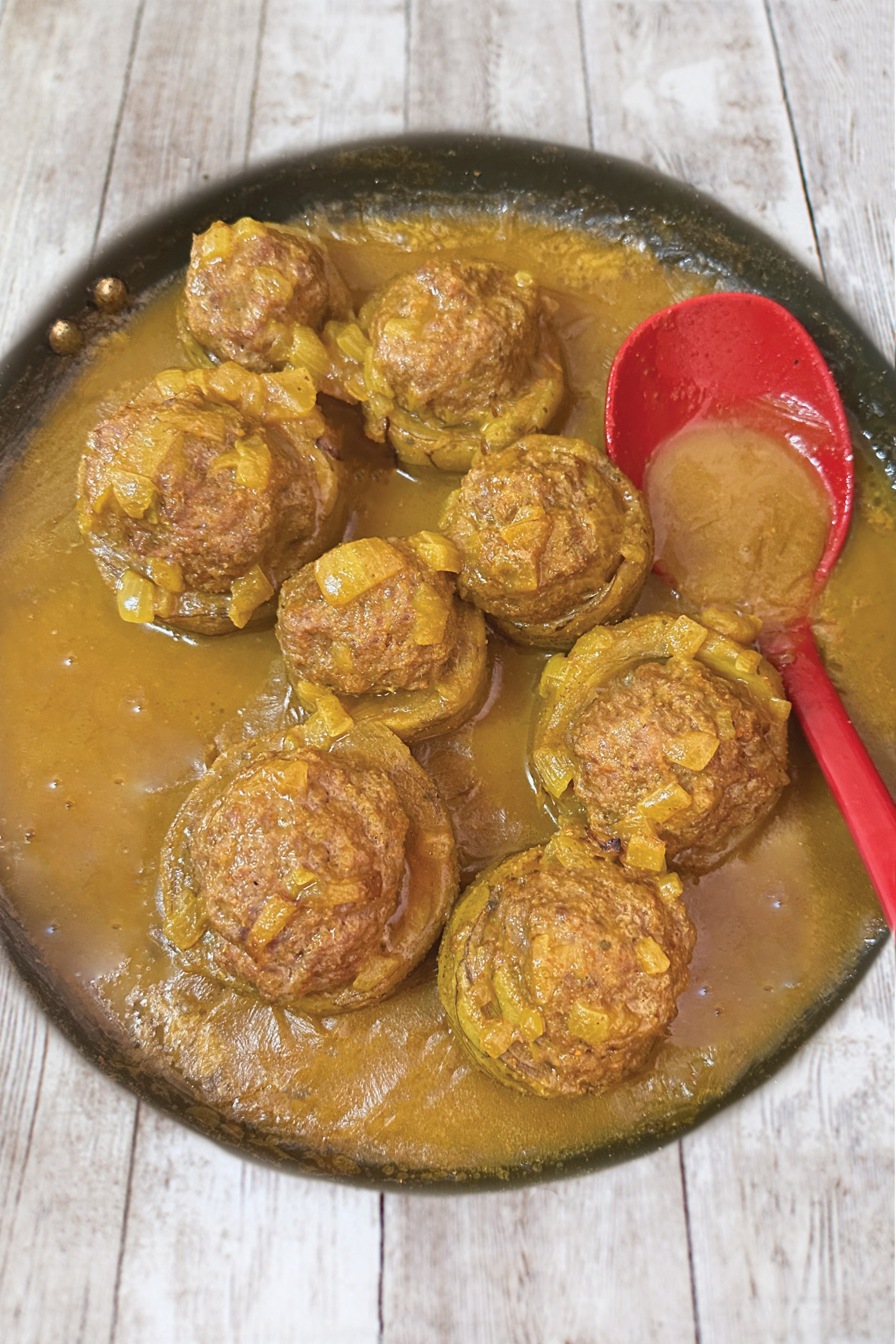
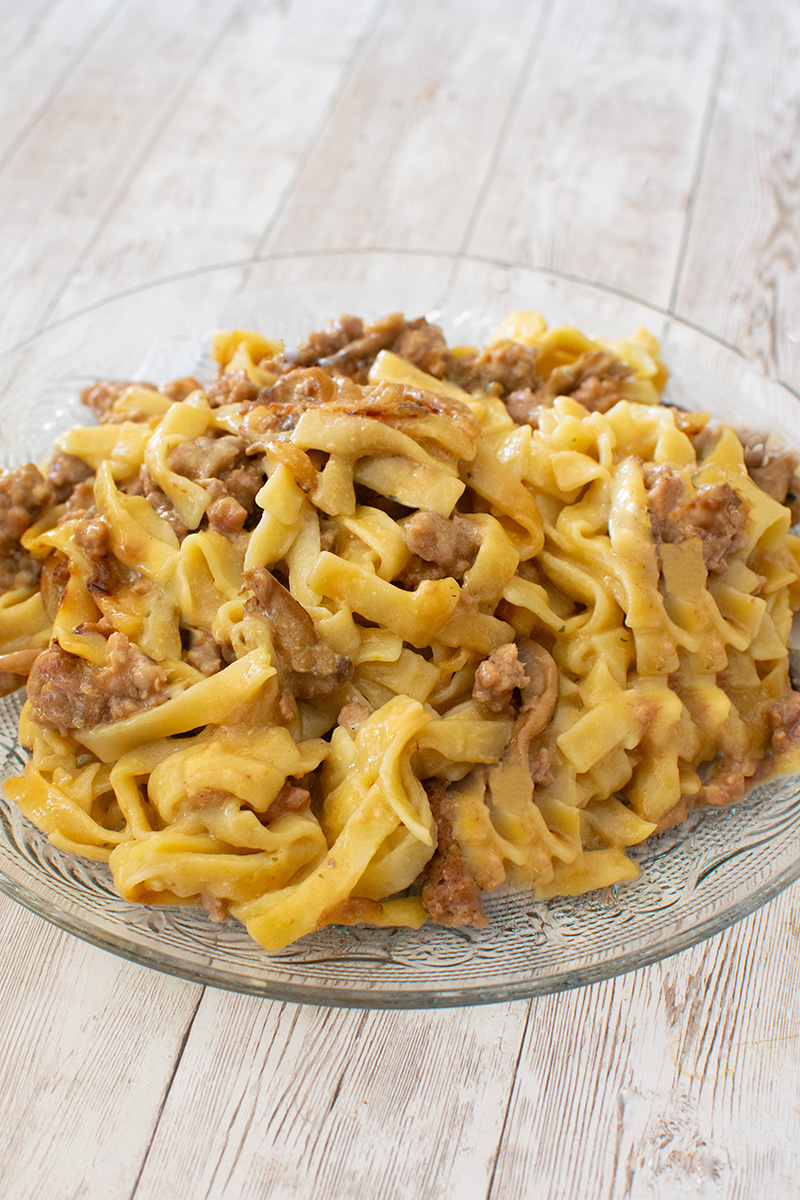
Love ground beef dishes?
Easy Savory Stuffed Cabbage Rolls Recipe
Delicious and savory ground beef-stuffed cabbage rolls smothered in a flavorful tomato sauce.
Ingredients
- 1 large cabbage
- 1 medium-large onion, diced
- 1 ¼ lb ground beef*
- 1 cup cooked rice**
- 1 teaspoon granulated garlic
- ¼ cup tomato paste
- 26 ounces of your favorite savory tomato-based pasta sauce
- soy sauce
- oil for frying
Instructions
- Place the whole cabbage in a large pot, with cover with water and bring to a boil.
- Boil for several minutes until the leaves show that they have softened.
- Remove the cabbage from the pot and let cool.
- In the meantime, lightly saute the dice onion on medium heat.
- Add the beef, rice, tomato paste, and a splash of soy sauce to the onion.
- Cook on medium heat, mixing occasionally, until meat has cooked through.
- Pour half of the pasta sauce on to the bottom of a suitable size baking pan. Set aside.
- Carefully remove the leaves from the head of cabbage, so that they don't tear.
- Cut off the triangle of hard white stem from each of the leaves leaving the remainder of the left intact.
- Based on the quantity and size of the leaves, spoon a portion of the meat mixture filling on to one of the leaves. Becareful not to over fill or you won't be able to wrap properly.
- Roll the bottom edge of cabbage leaf up over part of the filling, fold the sides inward, then roll the rest of the cabbage leaf until you have a cabbage roll.
- Place the cabbage roll into the baking pan on the pasta sauce.
- Repeat until all of the filling has been used up.
- Pour the rest of the pasta sauce on top of the cabbage rolls.
- Bake on 350° for approx 30 minutes until you can easily stick a fork through the cabbage.
Notes
*Or other ground meat, such as chicken, if preferred.
*Leftover fluffy rice is fine.
Nutrition Information:
Yield:
8Serving Size:
1Amount Per Serving: Calories: 330Total Fat: 17gSaturated Fat: 5gTrans Fat: 1gUnsaturated Fat: 9gCholesterol: 75mgSodium: 658mgCarbohydrates: 18gFiber: 3gSugar: 7gProtein: 25g