This Limonana recipe is a simple 3-ingredient Israeli mint lemonade, a sweet-tart and zesty drink made without simple syrup, and you don't need a blender.
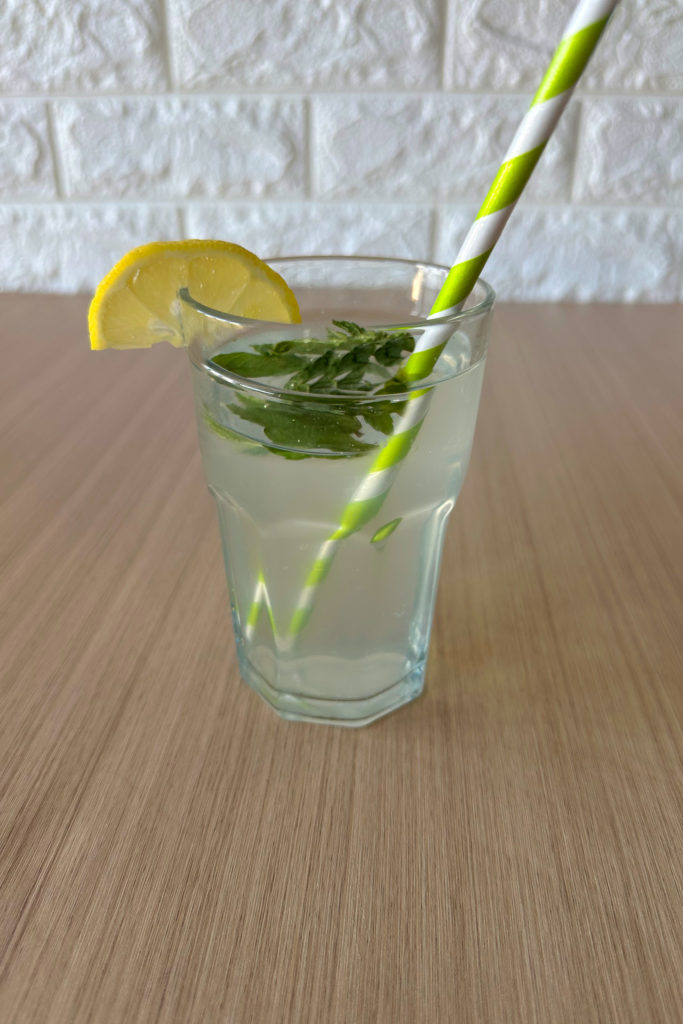
Limonana is a refreshing mint lemonade that's easy to make. Just combine the fresh lemon juice, sugar, and water, then add fresh mint leaves and mix well.
You don't even need to turn on the stove to make simple syrup.
You don't need to use a blender with this recipe. However, a popular way to make limonana is to blend everything in a blender and then strain out the mint leaves.
If you do have a blender and want a cold, icy limonana, freeze the lemon juice first, then put everything in the blender and strain out the leaves.
Because it's so easy to mix up, you can make a batch of any size you like for your next backyard barbecue, family picnic, or summer party.
Or keep it in the fridge so you have a refreshing lemony-mint thirst quencher whenever you want one.
And you can make it as sweet or tart as you like!
Jump to:
What is needed to make Easy Limonana?
These 3 ingredients are all you need to make this recipe even last minute!
fresh lemon juice
white granulated sugar
fresh mint leaves
Frequently Asked Questions (FAQs)
What is limonana?
Limonana is a refreshing Israeli mint lemonade made with fresh lemon juice, sugar, water, and fresh mint leaves. It's typically served cold and is especially popular during warm weather.
Do I need to blend the mint leaves?
No. This recipe doesn't require a blender and has a milder mint flavor. A popular way to make limonana is to blend the mint leaves with the lemonade and then strain them out for a stronger mint flavor.
How do I release the best flavor from the mint?
Gently muddle or bruise the fresh mint leaves before adding them to the lemonade. This helps release the mint's natural oils and gives the drink more flavor.
Can I use bottled lemon juice?
Fresh lemon juice gives limonana the best flavor, but bottled lemon juice can be used if that's what you have. You may need to adjust the amount of sugar and water to taste.
How do I get a slushy texture?
For a cold, slushy limonana, freeze the lemon juice first, then blend it with the other ingredients and fresh mint leaves. Strain out the mint leaves before serving. Freezing the lemon juice instead of using lots of ice helps prevent the drink from becoming watered down.
Can I make limonana ahead of time?
Yes. You can mix the lemonade and fresh mint ahead of time and store it in the refrigerator. Letting it chill allows the mint flavor to infuse more deeply into the drink. Stir well before serving.
Where did limonana come from?
While many Israeli foods are adaptations of recipes that immigrants brought with them when they moved to Israel, limonana has a different story.
Limonana, like the Sabich pita sandwich, is considered an Israeli creation.
Israel has some brilliant minds when it comes to advertising. One example is the story of "Limonana."
In the early 1990s, an Israeli advertising agency wanted to prove that bus ads worked.
So, they created a fake campaign for a "new" bottled drink called Limonana and plastered it on the sides of buses.
And the "fake" ad campaign was so successful that people actually started going into stores asking for it.
After that, restaurants and juice companies started making it for real to meet the demand.
Limonana is a combination of the Hebrew words limon (lemon) and na'ana (mint). And so mint lemonade, or limonana, became the name of this popular Israeli drink that became a part of Israeli cuisine.
So, what is Israeli cuisine?
"Israeli cuisine" is mostly Middle Eastern (as opposed to Eastern European) food that was brought to Israel by Jews when they fled or were expelled from Muslim countries and moved to Israel mostly after the declaration of the State of Israel (collectively known as Mizrahi Jews).
Recipes were passed from generation to generation, and although decades have passed, the foods are still known by the culture they came from, and everyone seems to have their own way of making them.
That said, there are many variations of pretty much any "Israeli" recipe because of background, custom, or even just taste.
Love sweet-tart lemon drinks?
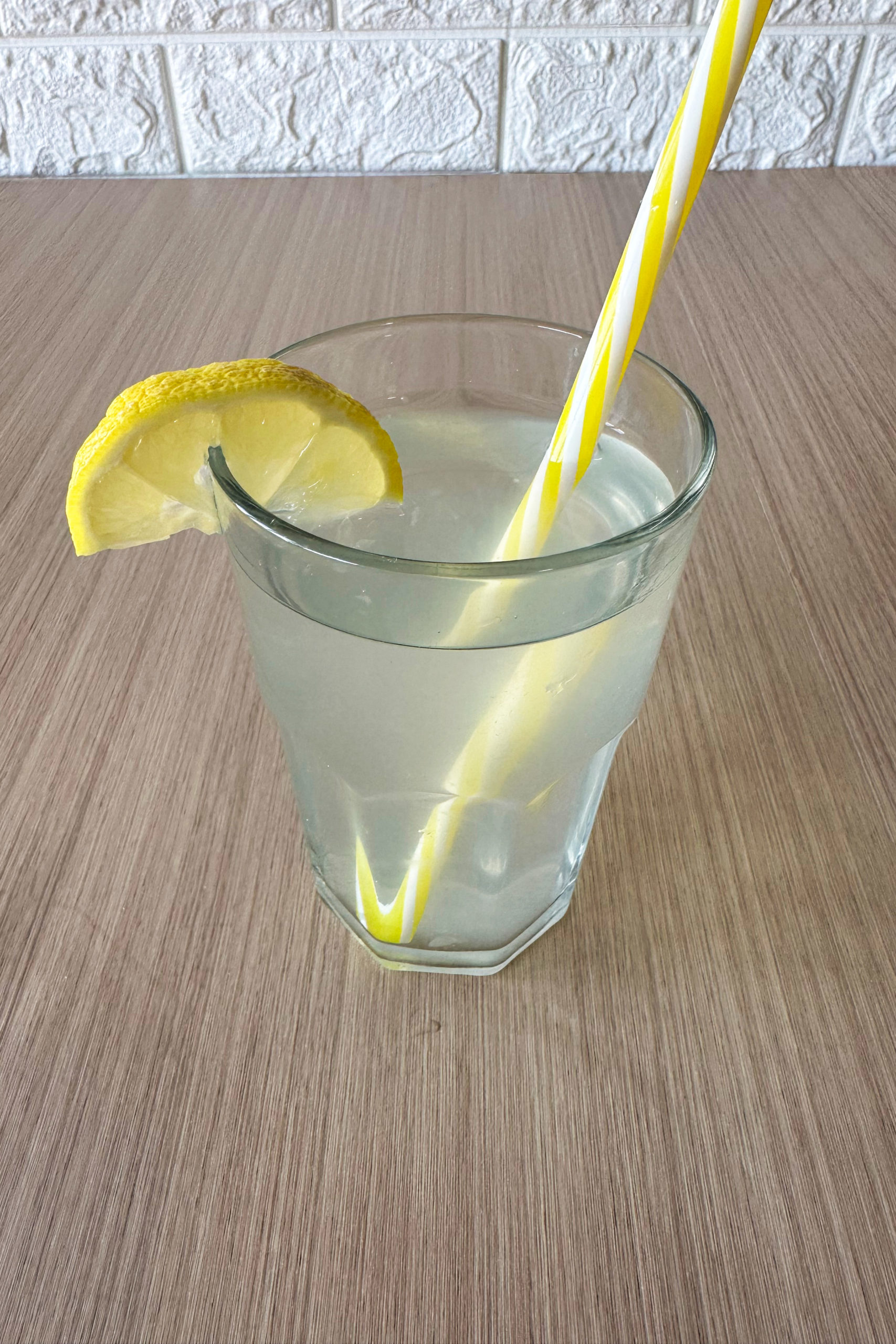
Limonana
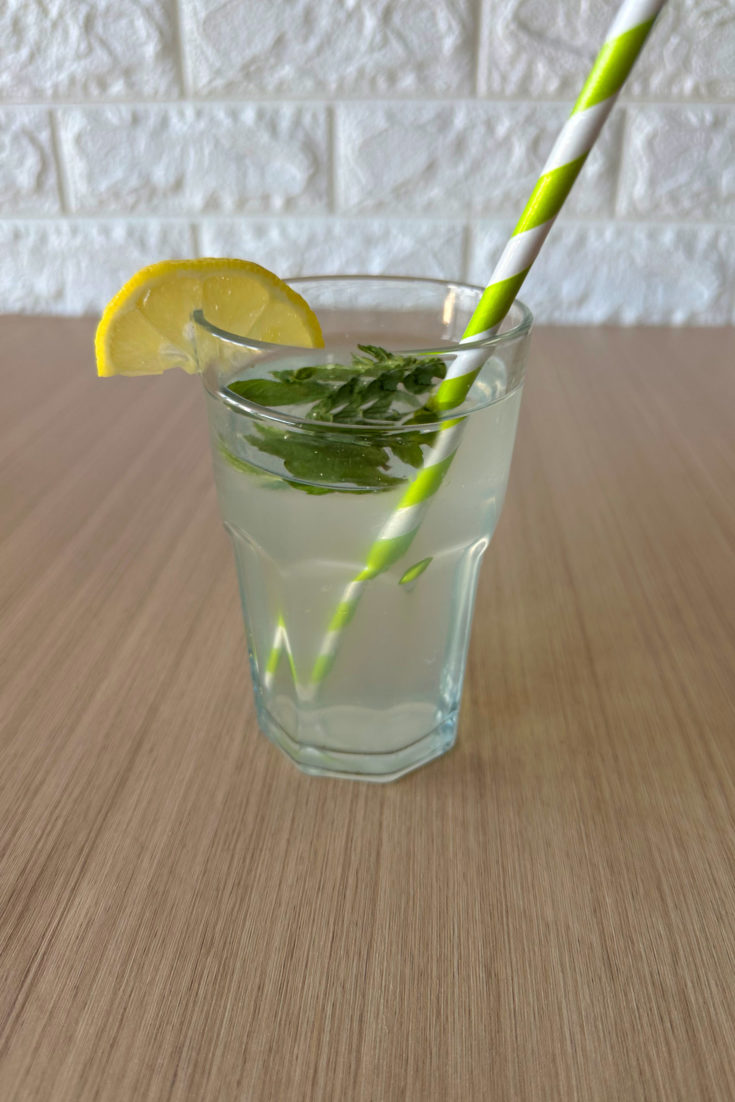
Delicious and refreshing, sweet-tart mint lemonade. Easy and quick to make with only 3 ingredients and water!
Ingredients
- ¾ cup fresh lemon juice
- ¾ cup white granulated sugar
- fresh leaves from 1-2 sprigs of mint (depending on how minty you'd like it to be)
- 6 cups water (or more for a milder taste).
Instructions
- Pour lemon juice into a pitcher.
- Add water and sugar.
- Crush the mint leaves to release their flavor and add to the liquid (leave some for garnish, if desired). *
- Mix very well.
- Remove the mint or leave it in for a stronger minty taste.
- Chill until cold.
Notes
* Another way that a lot of people get more of a mint flavor is to blend everything together and then strain out the mint leaves.
If you want a slushy limonana, first freeze the lemon juice, then blend, then strain.
Nutrition Information:
Yield:
6Serving Size:
1Amount Per Serving: Calories: 127Sodium: 18mgCarbohydrates: 33gFiber: 0gSugar: 32gProtein: 0g