Israeli Falafel is a homemade vegan recipe for the crispy chickpea balls in the popular Middle Eastern street food. They're made from ground chickpeas and flavorful spices, including warm, earthy cumin.
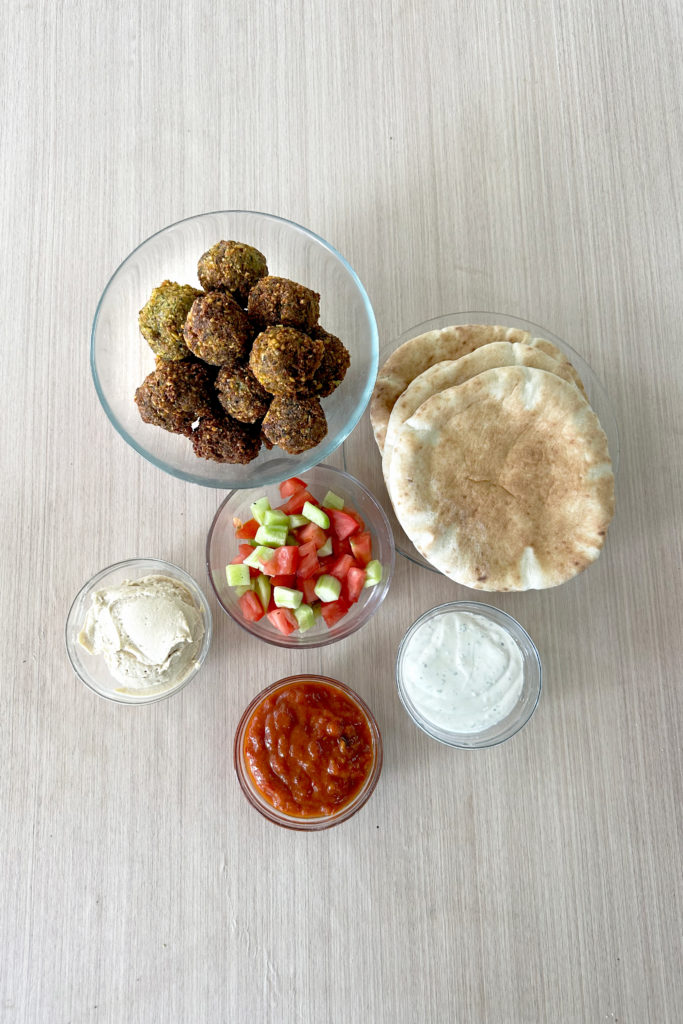
Falafels are a popular vegan Middle Eastern street food made of balls of ground chickpeas (or fava beans in Egypt) seasoned with herbs and spices, including warm, earthy cumin, and deep fried to a crispy exterior and soft interior.
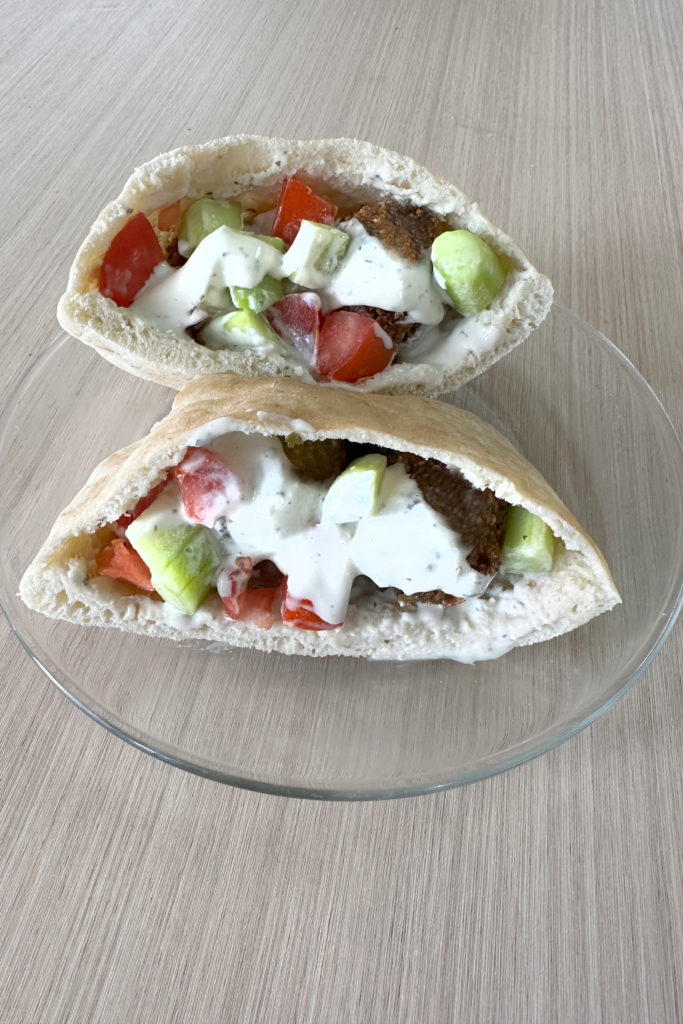
They're then placed in a pita or laffa with Israeli salad (diced tomatoes and cucumbers), tahini, hummus, matbucha, eggplant salad, coleslaw, fried eggplant, pickles, or any such variation.
In Israel, you will not find any city without several falafel eateries.
Falafels make a great spur-of-the-moment lunch or dinner, and with this recipe, you can make them in your own kitchen.
Note: This recipe isn't short, because it takes hours to soak and then boil the chickpeas. However, that is just to soften the chickpeas. The recipe itself is very simple.
Jump to:
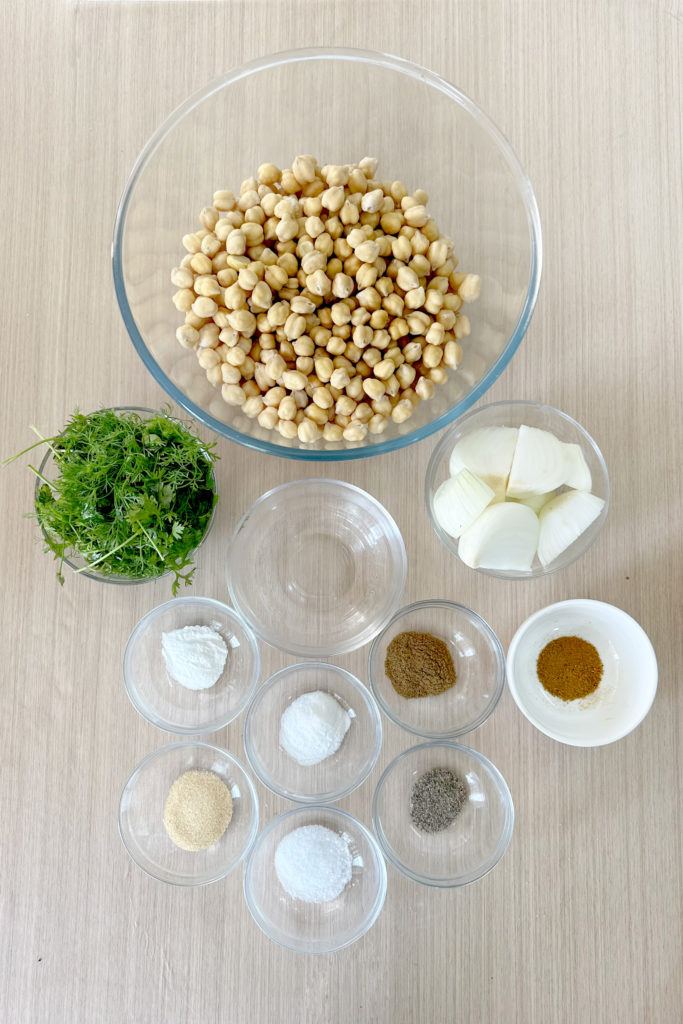
What is needed for this recipe?
raw chick peas (small chickpeas are best)
onion
coriander
fresh or granulated garlic
cumin
salt
baking powder
baking soda
black pepper
Frequently Asked Questions (FAQs)
Can you use canned chickpeas to make falafel?
For the best texture and to help prevent the falafel from falling apart in the oil, use dried chickpeas that have been soaked overnight rather than canned or cooked chickpeas. Canned chickpeas contain too much moisture and are already softened, which can make the falafel mixture too wet and cause the balls to fall apart.
How do you keep falafel from falling apart when frying?
Make sure the soaked chickpea mixture is finely ground rather than pureed, and chill it thoroughly before shaping the falafel. It's also a good idea to test one falafel in the hot oil first to make sure it holds its shape before frying the rest.
Can you bake falafel instead of deep-frying it?
Yes, you can bake falafel on an oiled baking sheet at 400°F for about 20 to 25 minutes, flipping halfway through. However, baked falafel won't have quite the same crispy exterior as deep-fried falafel and may not hold a round shape as well.
Can you freeze homemade falafel?
Yes. You can freeze shaped, uncooked falafel on a baking sheet, then transfer them to a freezer-safe bag or container once frozen. They can be fried or baked straight from frozen; just allow a few extra minutes for cooking.
Do I need to cook the chickpeas before making falafel?
No. Use dried chickpeas that have been soaked until tender but not cooked. Cooking the chickpeas makes them too soft and can prevent the falafel from holding together properly.
How should I serve Israeli falafel?
Israeli falafel is traditionally served in pita with toppings and sauces such as Israeli salad, pickles, tahini, and amba. You can also serve it as part of a falafel platter with salads, vegetables, and other Middle Eastern dishes.
What Is Israeli Cuisine?
Israeli cuisine is a mix of foods and culinary traditions from many different cultures.
When people move from one country to another, they often bring their food and cooking traditions with them. Over time, those recipes can change as they are adapted to new ingredients, local customs, and the tastes of the people making them.
This is especially true in Israel, where Jewish immigrants arrived from many different parts of the world, including Europe, North Africa, and the Middle East. Mizrahi Jews, in particular, brought many Middle Eastern and North African dishes and cooking traditions with them. These foods became part of the broader Israeli food culture alongside Ashkenazi, Sephardi, and other culinary traditions.
There are also foods associated with the region that became part of everyday Israeli cuisine, including hummus and falafel. Because these foods have histories that cross modern national and cultural boundaries, their origins and ownership can sometimes be debated.
And just as there are many versions of a traditional recipe, there are many ways to make an Israeli dish. Family background, regional traditions, personal preferences, and the ingredients available can all influence a recipe.
That's why, when making an Israeli recipe, it's useful to understand which ingredients are essential to the dish and which ones are simply a matter of personal taste.
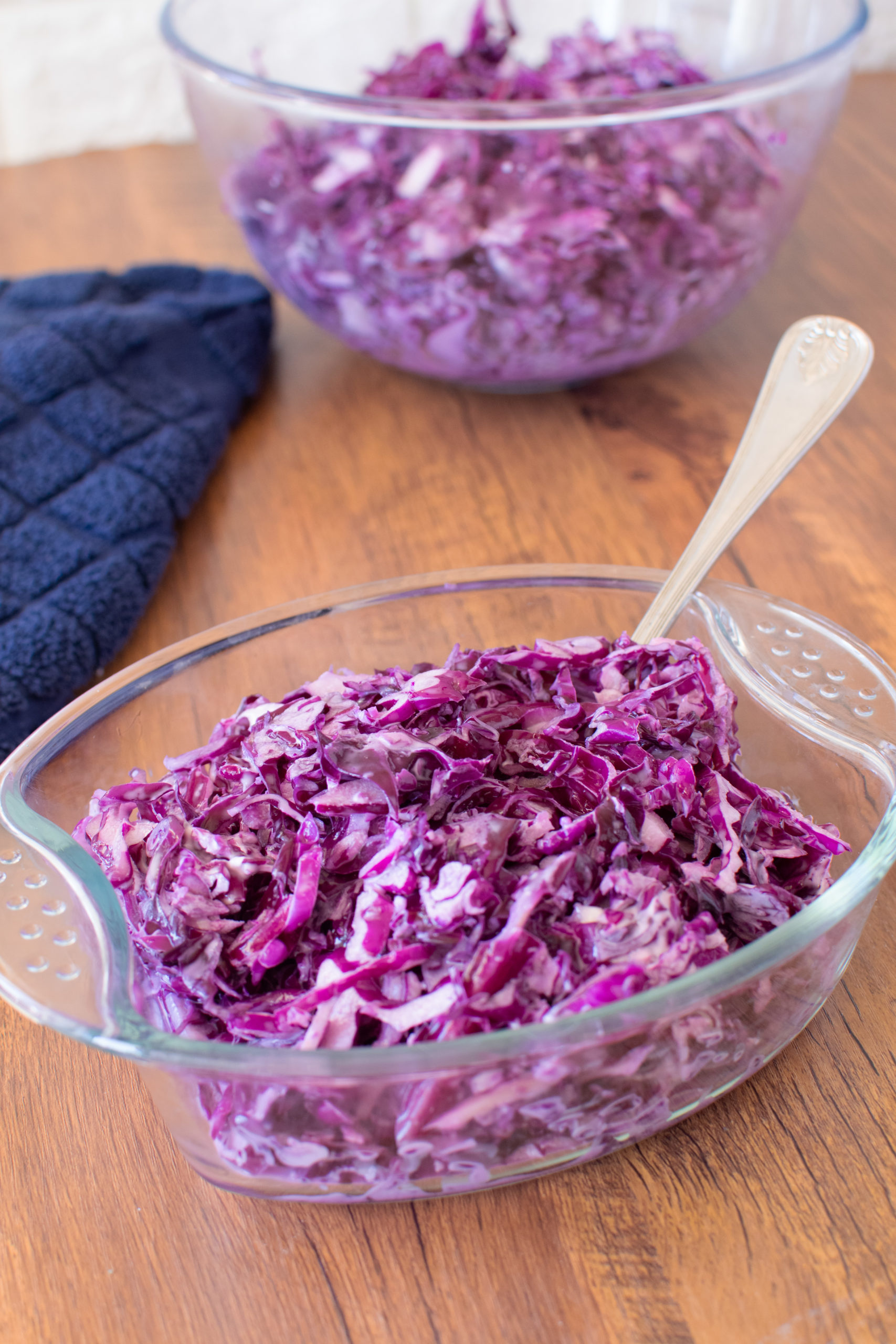
Here are some delicious salads and spreads to put in your falafel:
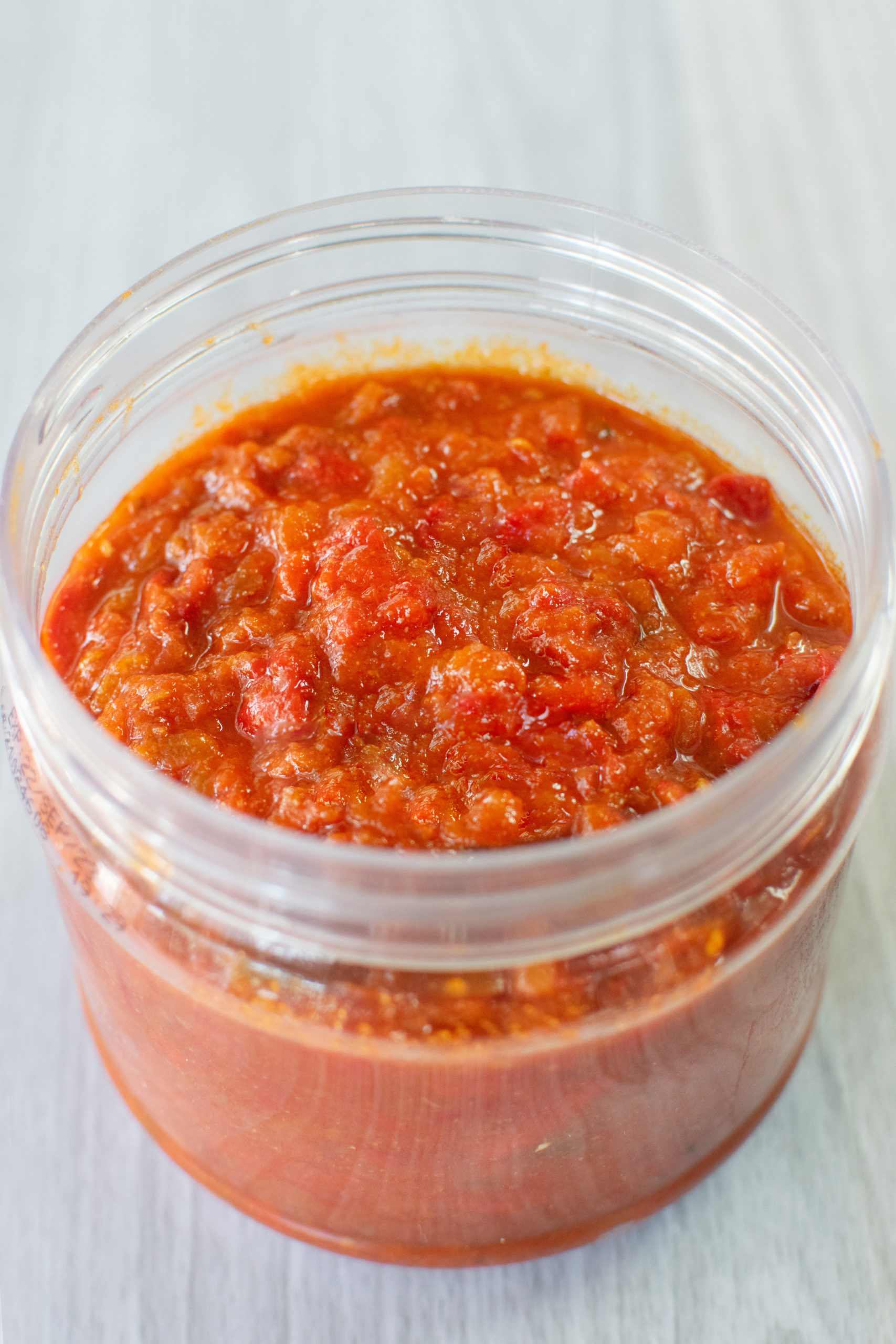
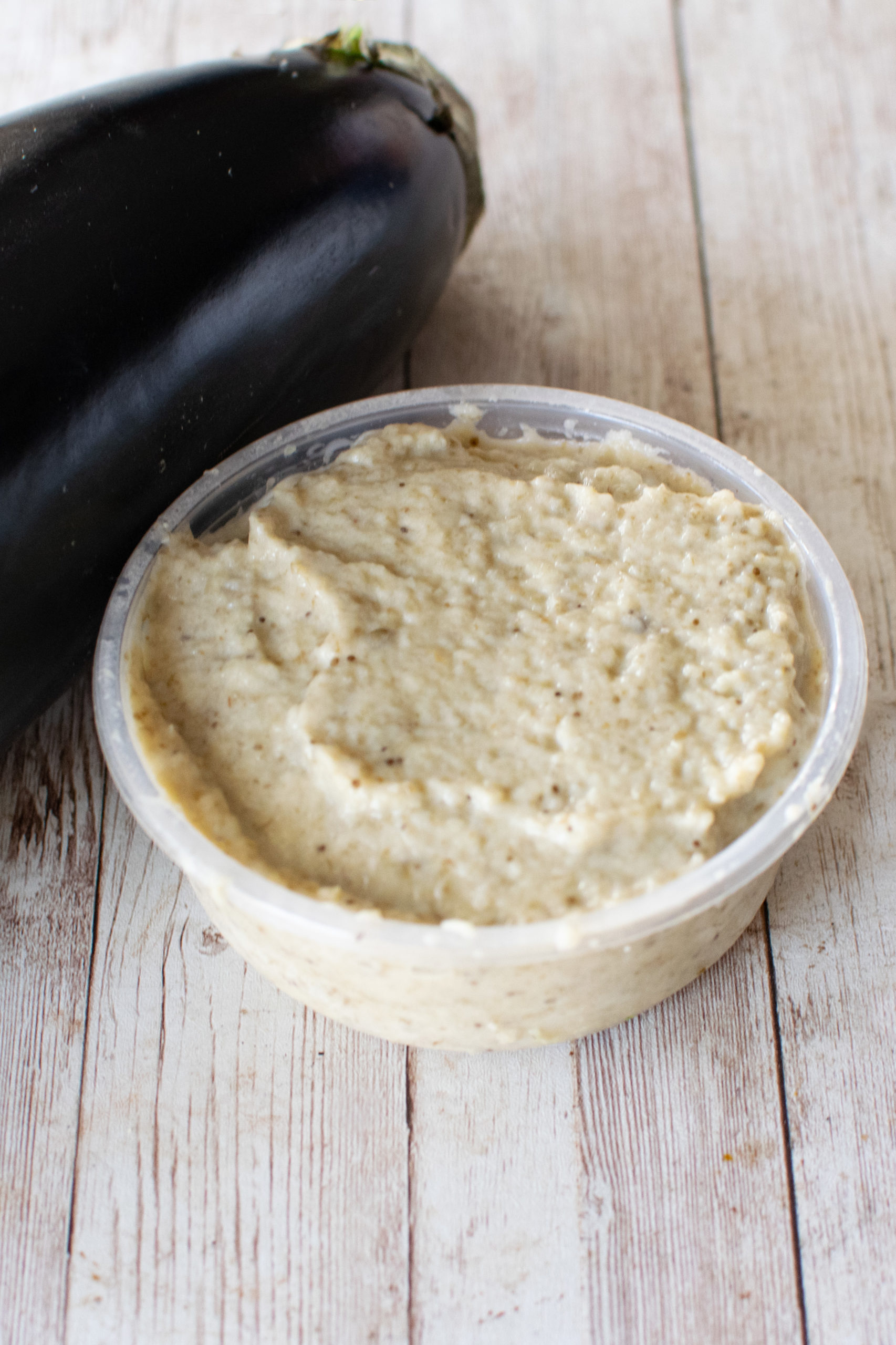
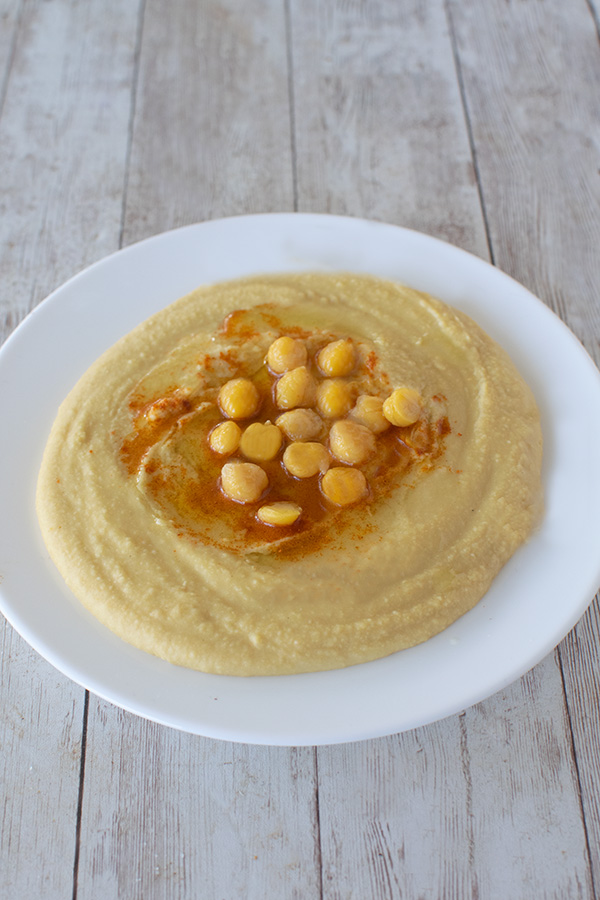
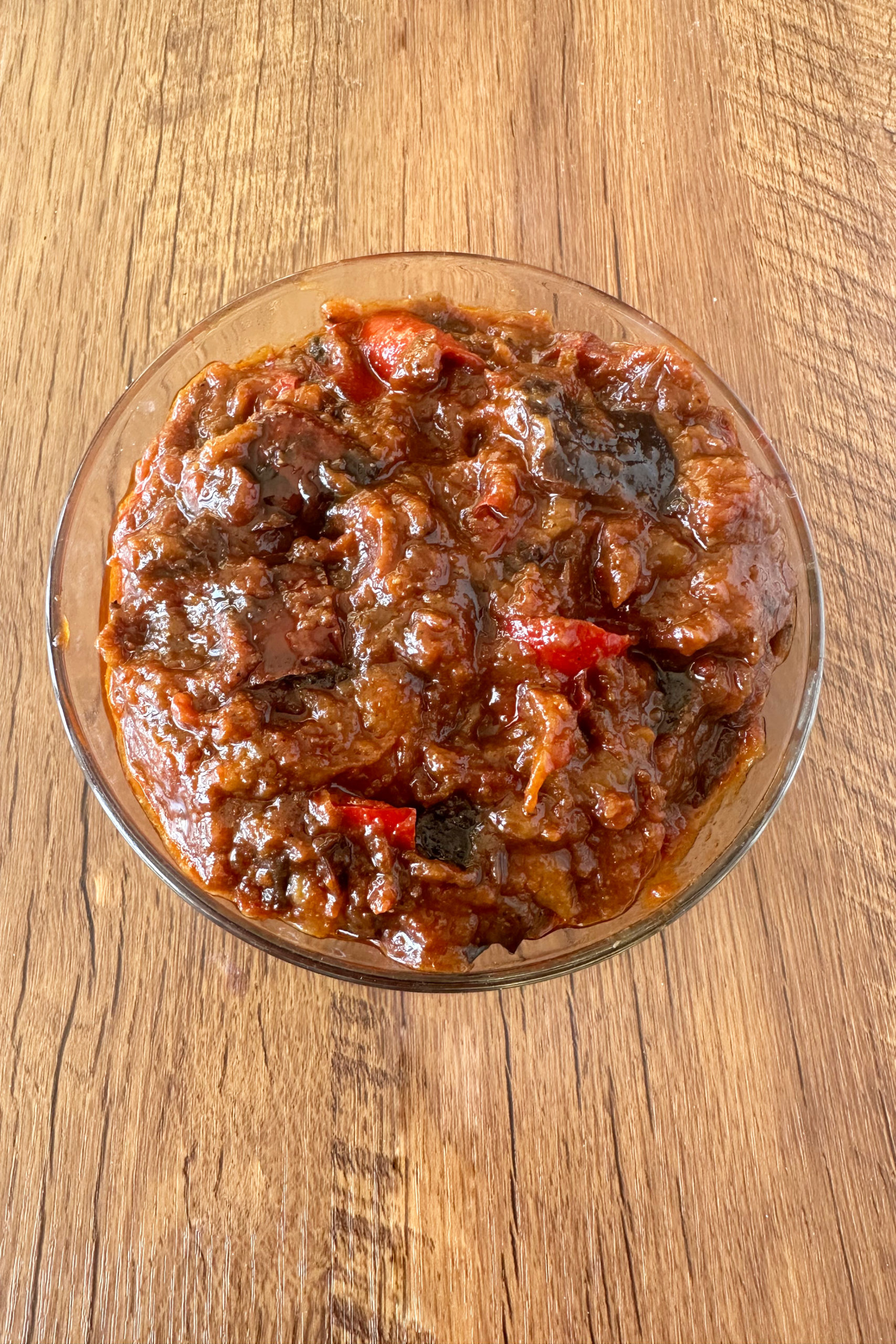
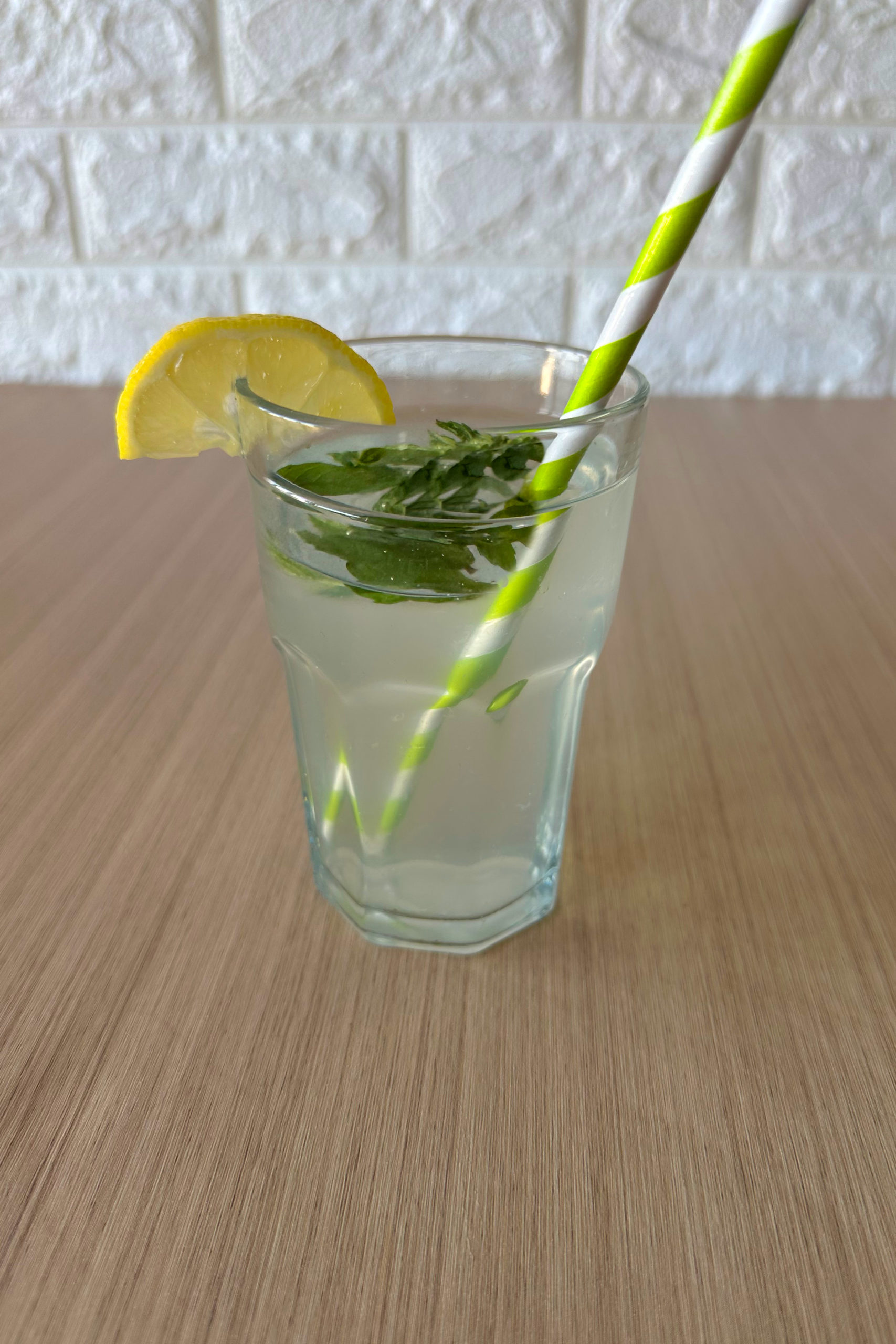
And here's a delicious israeli drink to go with your falafeL too!
Israeli Falafel Recipe
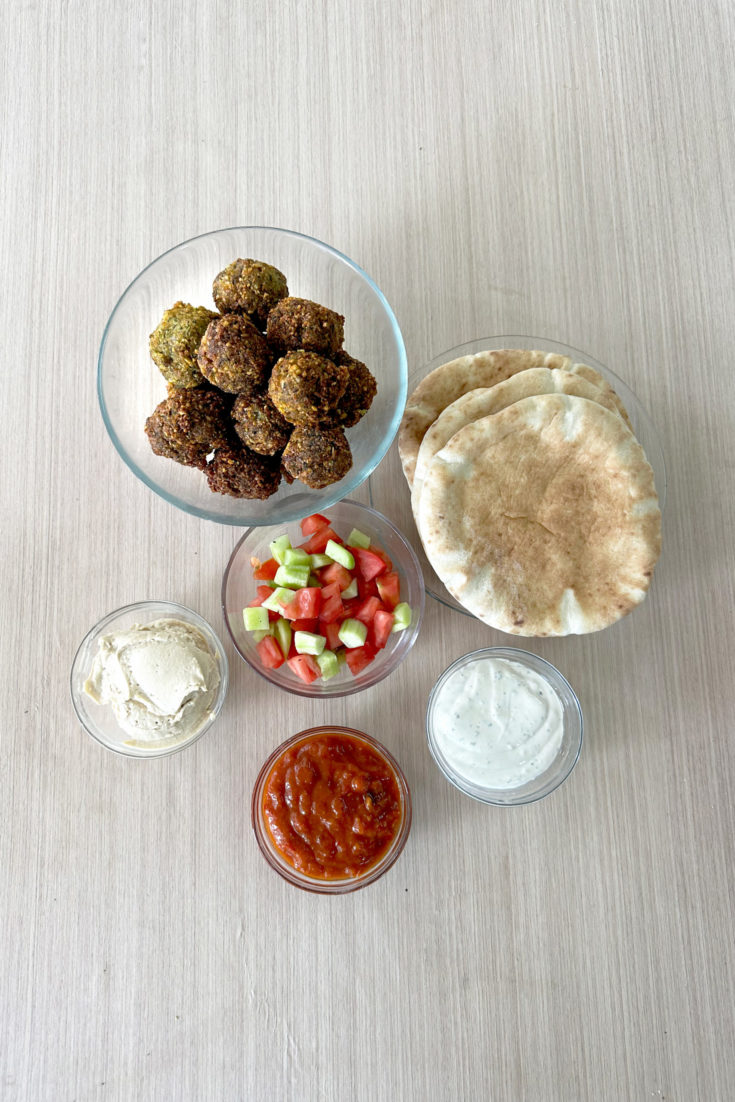
Delicious homemade felafel balls, which are the main ingredient in falafel, the popular Middle Eastern street food.
Ingredients
- 18 ounces of raw chickpeas (small chickpeas are best)
- 1 large onion, pureed
- 2 ounces of fresh coriander*
- 6 cloves of fresh garlic (or ½ tablespoon granulated garlic)
- 1 tablespoon cumin
- 2 teaspoons salt or to taste
- 1 teaspoon baking powder
- 1 tablespoon + 1 teaspoon of baking soda
- ½ teaspoon black pepper
- water
Instructions
- Place the raw chickpeas in 6 cups of water and 1 tablespoon of baking soda and let sit to soften for around 12 hours.
- Drain and wash the softened chickpeas and place them in a food processor together with the onion, garlic (or granulated garlic), coriander, cumin, salt, pepper, and 2 tablespoons of water and blend, opening every so often to scrape down the sides to keep the mixture uniform, until you have a thick wet paste with very small pieces of chickpeas.
- Check to make sure that you can easily form a ball with the mixture. If you can't, then mix in one tablespoon of water at a time until you can.
- Pour the mixture into a large mixing bowl and add the remaining 1 teaspoon of baking soda and the baking powder and combine well.
- Pour oil in a wide, low pan to a height of around 1" - 1 ½" and heat on medium until the oil reaches around 325°F or until it is hot enough so when you drop a little piece of the mixture into the hot oil, it fries.
- Form balls of around 1 ¼" in diameter and carefully drop them in the hot oil one at a time, making sure not to crowd. Fry until the bottom half has browned and then flip and fry the other side.
- Remove using a draining spoon and place on a plate that has been lined with paper towel to absorb excess oil.
- Serve as is or fill a pita with your favorite stuffings (Israeli salad, pickles, hummus, tehini, coleslaw, etc).
Notes
*If you are using sprigs, you can just remove the thick stem and use the thinner stems and the leaves.
Nutrition Information:
Yield:
4Serving Size:
1Amount Per Serving: Calories: 243Total Fat: 4gSaturated Fat: 0gUnsaturated Fat: 4gSodium: 2537mgCarbohydrates: 41gFiber: 11gSugar: 7gProtein: 13g