Easy Vegetarian Olivier Salad is a meatless version of the classic Russian Salad (Salat Olivye). This recipe is made without pork-no ham or sausage-and without any meat or chicken. It's also dairy-free.
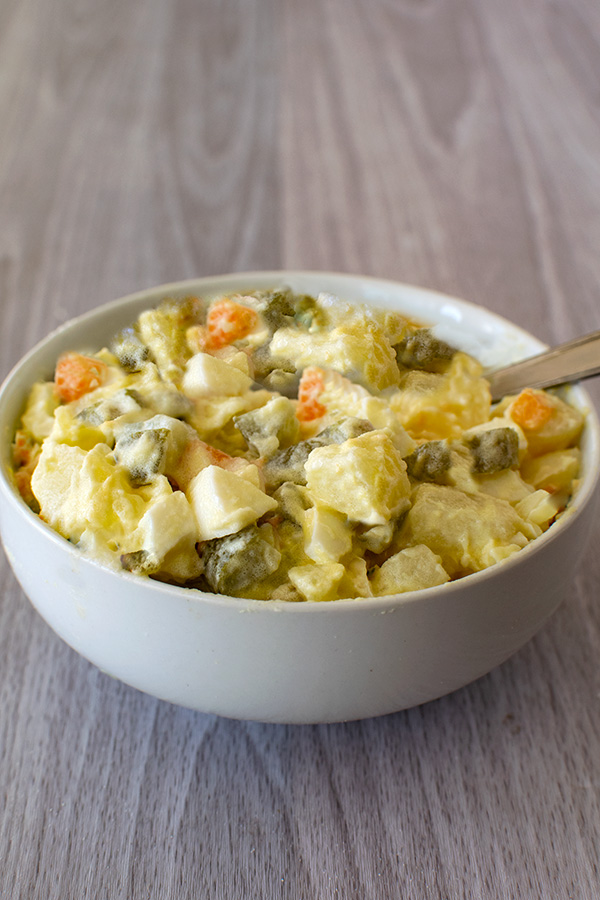
Olivier salad is a delicious, simple side dish to have at backyard barbeques, family picnics, or potluck dinners!
You can make it ahead and pack it as part of your lunch for work or school.
And it's a terrific way to use your leftover boiled potatoes, peas, and/or carrots!
About Salat Olivye
No need to go to the deli to have the famous Russian Olivier potato salad! Just make it at home. Simple as that.
Olivier Salad is a potato salad dish in traditional Russian cuisine, but it is popular worldwide. and is often served with meat, such as ham, hot dogs, sausage, chicken, deli meat, etc.
In some countries this potato salad is called Olivier potato salad (after its creator), some call it Russian Salad, and many have completely different names for it altogether.
The original version was created by a Belgian chef-Lucien Olivier-working in one of Moscow's most popular restaurants-the Hermitage-sometime in the mid-19th century.
The salad was well received and became the restaurant's signature dish.
Olivier salad, or Russian salad, remains an iconic holiday dish, especially during New Year's Eve celebrations across Russia and post-Soviet states.
This dish has nutritional benefits!
Like the peas and carrots!
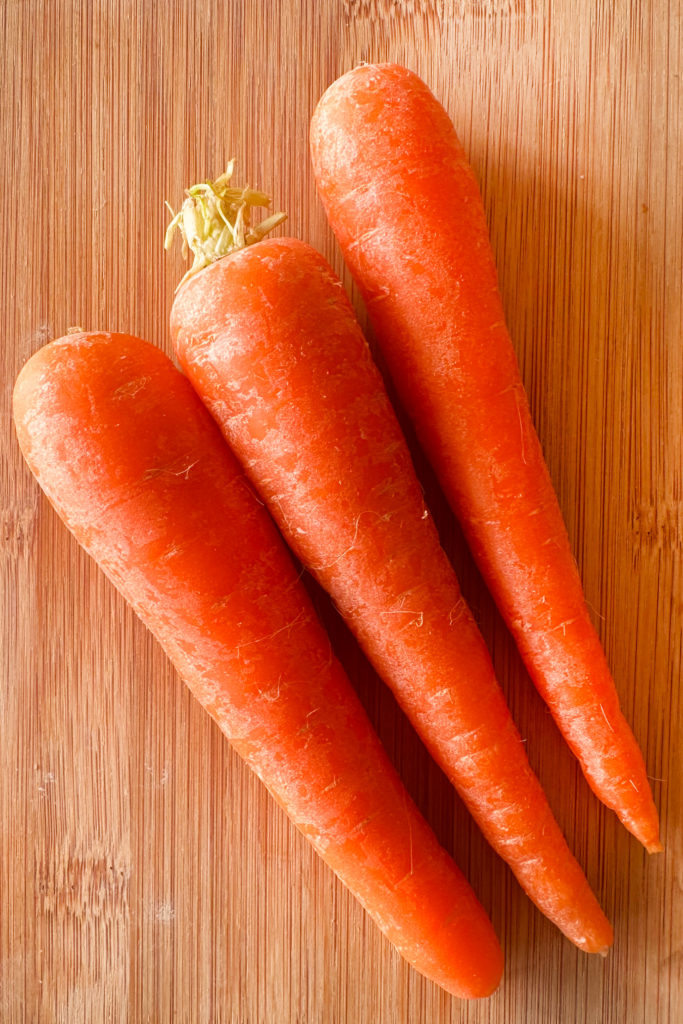
And check out potatoes!
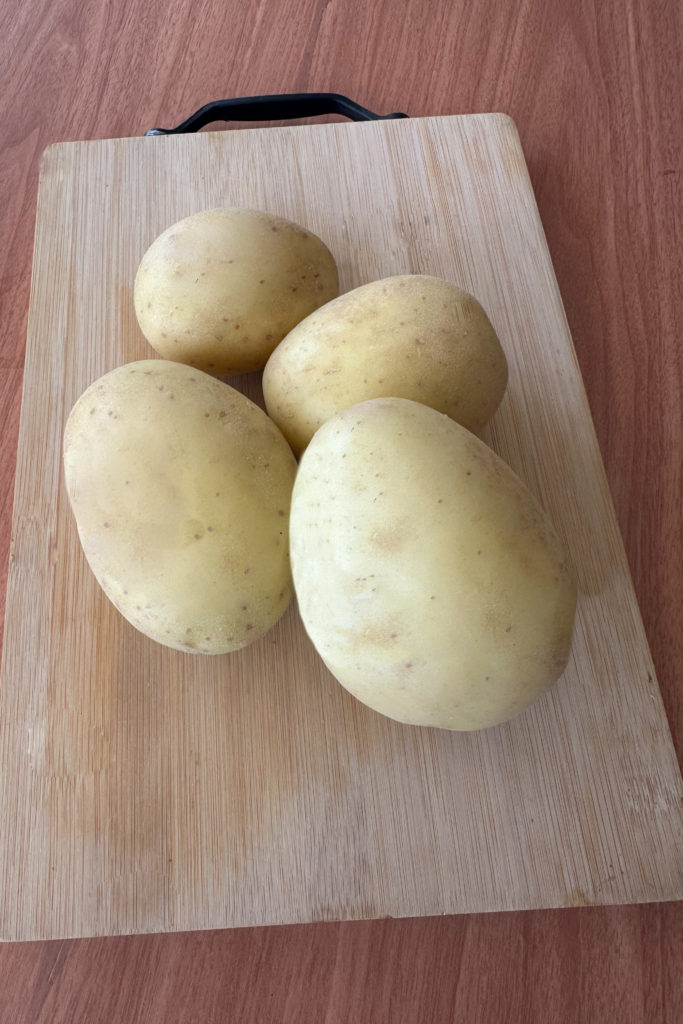
The potato is a perennial, starchy tuber, a root vegetable, that is native to the Americas.
Potatoes contain health benefits and are an excellent source of fiber, vitamins, and nutrients and provide fuel for the body.
Potatoes are gluten-free and very filling. In addition, they are a good source of antioxidants-some more than others-and they contain resistant starch. However, their nutritional content depends on the type of potato. Much of a potato's nutrition is in the skin of the potato, and peeling them reduces their nutritional value.
Adding fattening toppings, such as sour cream or butter, adds calories and fat.
Different potatoes are considered to work best with different recipes, but overall, they can be used in a variety of delicious meals for recipes from all over the world.
There may be over a couple hundred varieties of potatoes in the United States, but there are only 7 main categories. The most popular of these are the red, white, yellow, and russet.
Fun Facts about potatoes!
- Potatoes were first cultivated in Peru by the Incas.
- Potatoes were introduced to Europe (Ireland) toward the end of the 16th century.
- Potatoes began to be planted in the colonies in the early 1700s.
- Potatoes are the #1 vegetable crop in the United States and 4th most consumed in the world.
- Idaho is the largest grower of potatoes.
- The potato was the first vegetable to be grown in space.
Some cooking terms
What does it mean when recipes say "to taste" about an ingredient?
When recipes say "to taste," it means that you can put in as little or as much as you like to your own taste. Some recipes have many ingredients that a cook can adjust to their own taste when cooking (not so much when baking though).
The best way to calculate what your taste is with a recipe that you are not yet familiar with is to first taste the dish and then add the "to taste" ingredient GRADUALLY, a little at a time-a splash of this or a pinch of that-until the dish is just the way you like it.
Make sure to stir the ingredient after each time you add it so that the flavor will distribute evenly and become part of the dish. Then taste again. Repeat until you reach your personal preference.
Note: If you plan on using the recipe again, it is highly recommended to make a note of what and how much you added so that you can refer to it next time.
What does it mean when a recipe says that an ingredient is "optional"?
If an ingredient is "optional," it means that you can add it in or not based on your own preference. An optional ingredient can be flavor-related (i.e., salty, sweet, spicy, etc.), appearance-related (a garnish), or even something like nuts or chocolate chips in baking.
What does "savory" mean?
"Savory" refers to foods that are not sweet, such as foods that taste salty, spicy, or herbal.
Frequently Asked Questions
Who created Olivier salad?
Lucien Olivier, a chef of French and Belgian descent, created the salad in the 1860s at the Hermitage restaurant in Moscow.
Are the ingredients the same as they were when the salad was created?
The original version was an opulent, expensive dish featuring ingredients like hazel grouse, veal tongue, caviar, crayfish tails, truffles, and a secret-recipe dressing.
Why were the ingredients changed?
Chef Olivier guarded his dressing recipe fiercely and prepared it alone behind closed doors, taking the exact formula to his grave when he died.
Then, following the Russian Revolution and subsequent food shortages, the recipe evolved. Expensive meats and seafood were replaced with accessible, everyday staples like boiled potatoes, carrots, peas, pickles, eggs, and affordable bologna or chicken bound in mayonnaise.
Is Olivier salad typically made with pork or other meat?
Yes. Olivier salad is typically served with sausage, balogna, ham, or chicken.
What is vegetarian Olivier salad?
Vegetarian Olivier salad is a meatless version of the classic Russian potato salad (Salat Olivye) traditionally served during holidays and gatherings.
It replaces the traditional ham, chicken, or sausage with plant-based ingredients while keeping the classic blend of potatoes, carrots, peas, pickles, and mayonnaise.
Can I make Olivier salad ahead of time?
Yes, Olivier salad tastes even better when made ahead of time because it allows the flavors to meld together in the refrigerator for a few hours or overnight.
What is needed to make this delicious vegetarian Olivier salad?
I hardly ever meal plan, so I like to keep a cupboard full of seasonings, spices, veggies, and canned goods in my kitchen to use whenever the mood strikes.
But these are what you need to have on hand to make this recipe even last-minute!
potatoes
mayonnaise
sour pickles (pickled cucumbers)
peas and carrots
medium onion
hard-boiled eggs
salt and/or pepper
If you like this recipe, try these!
Vegetarian recipes
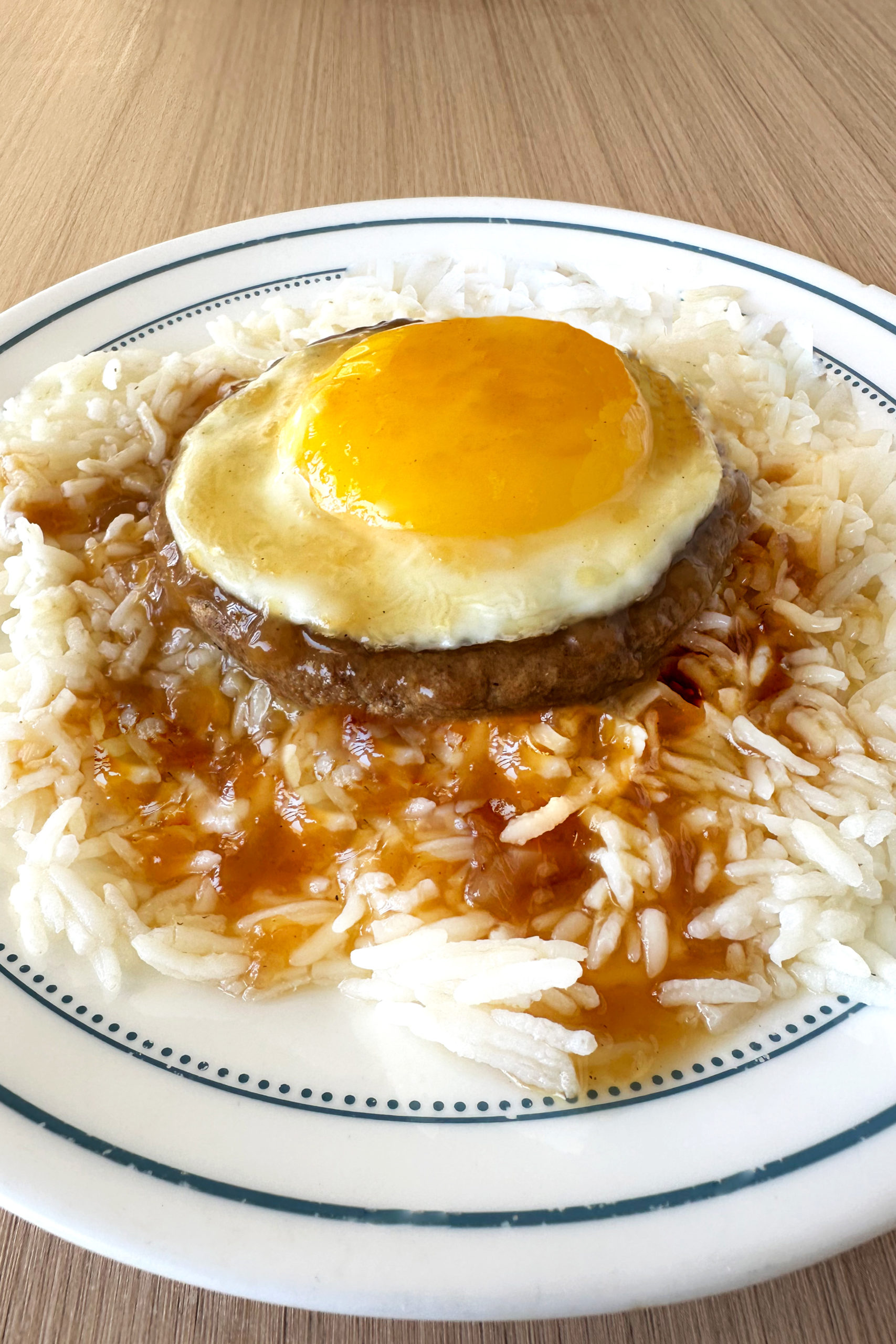
- Easy Vegetarian Loco Moco Recipe
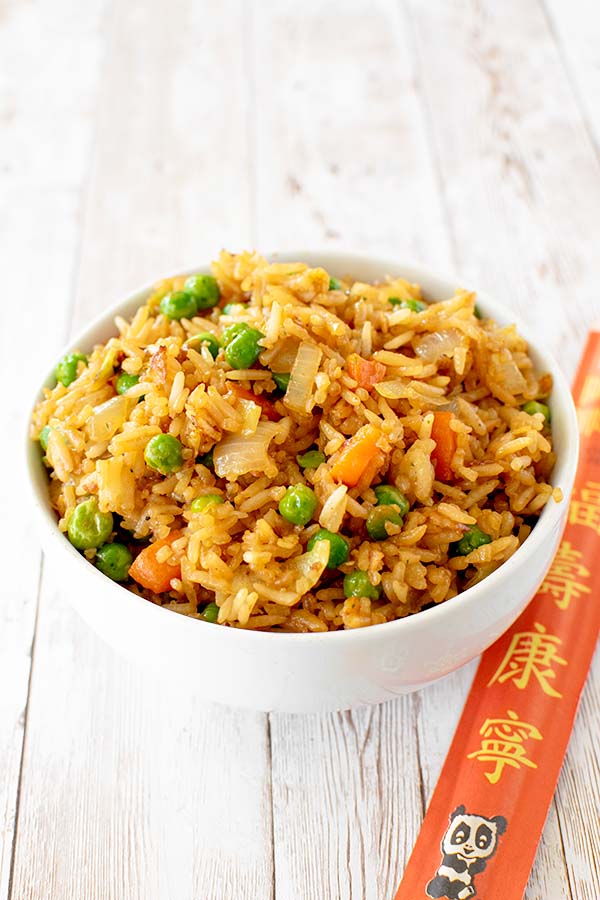
- Easy Vegetarian Fried Rice Recipe
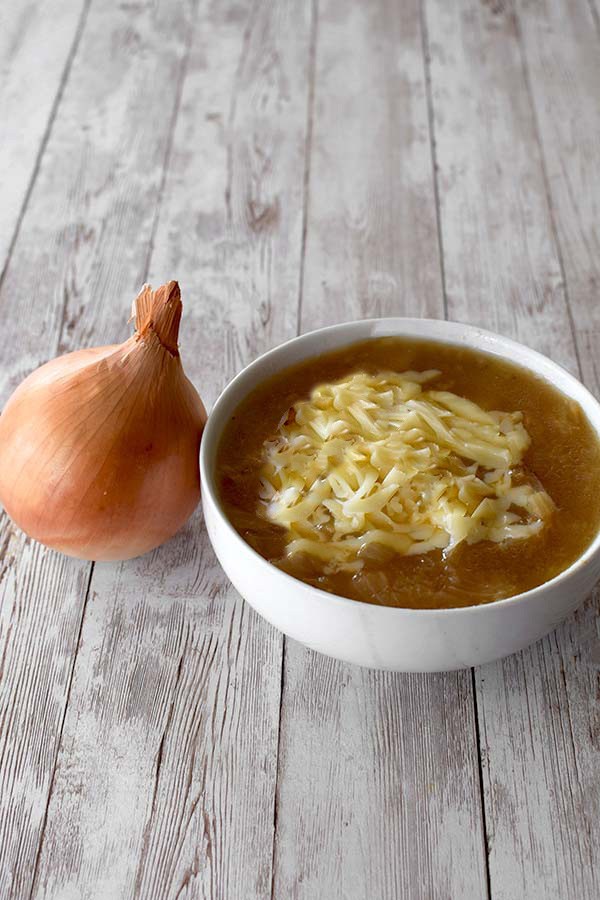
- Easy Vegetarian French-Style Onion Soup Recipe
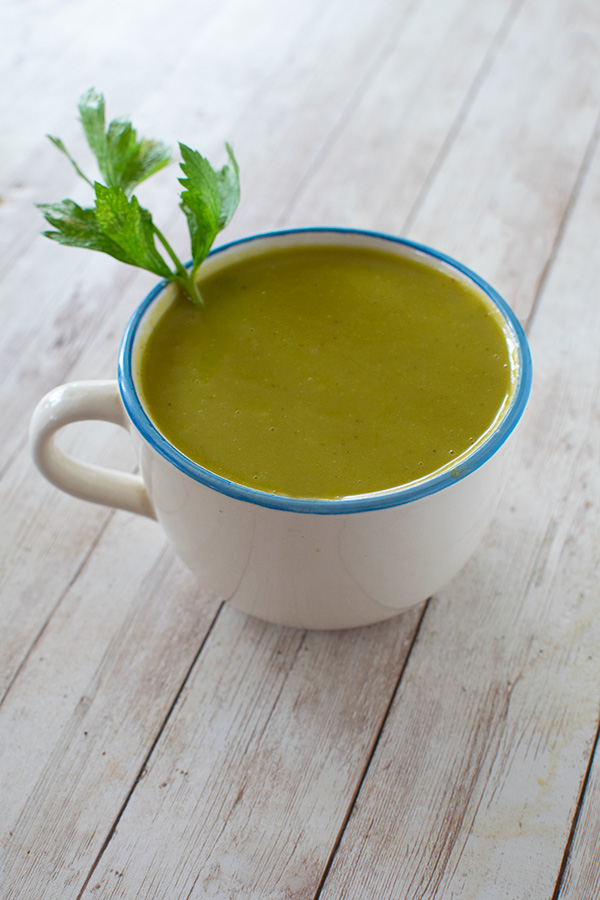
- Easy Vegetarian Split Pea Soup Recipe
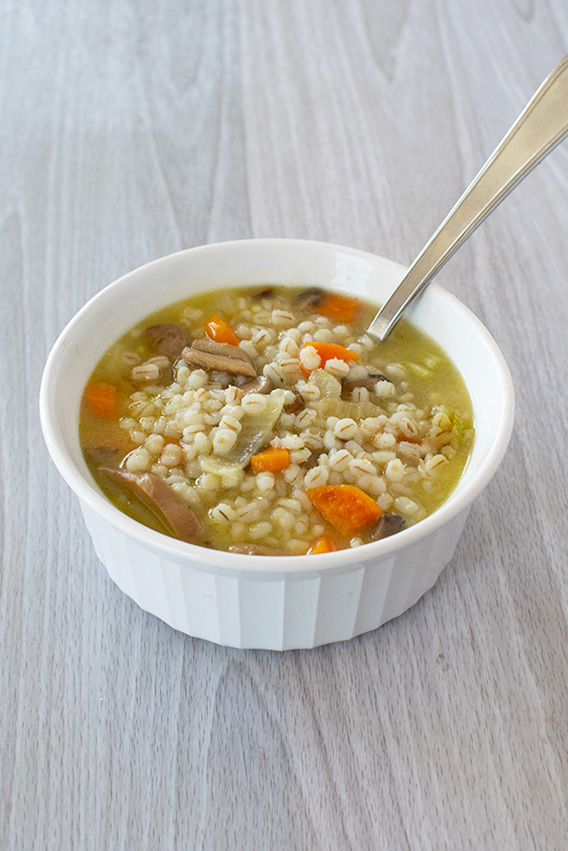
- Easy Vegetarian Mushroom Barley Soup Recipe
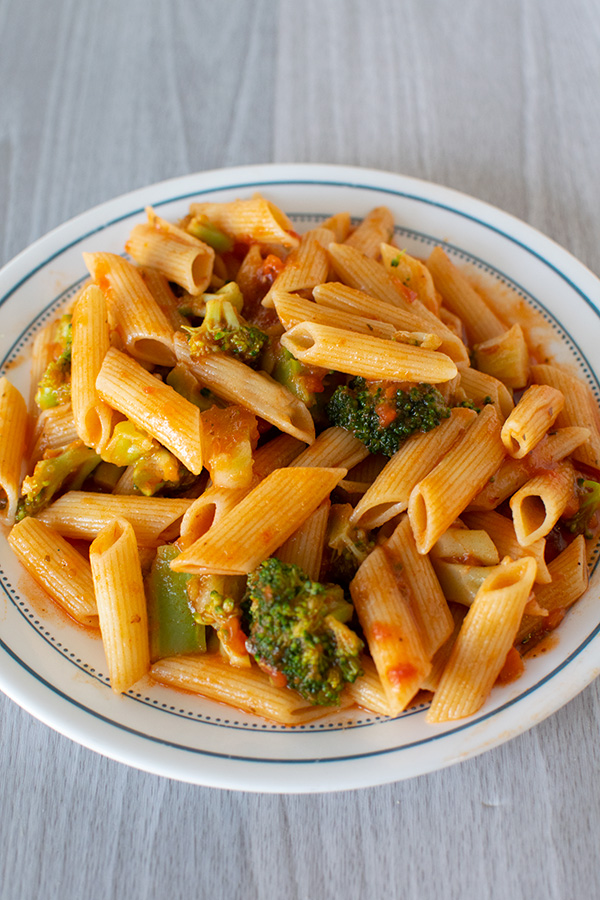
- Easy Vegetarian Broccoli Pasta Recipe
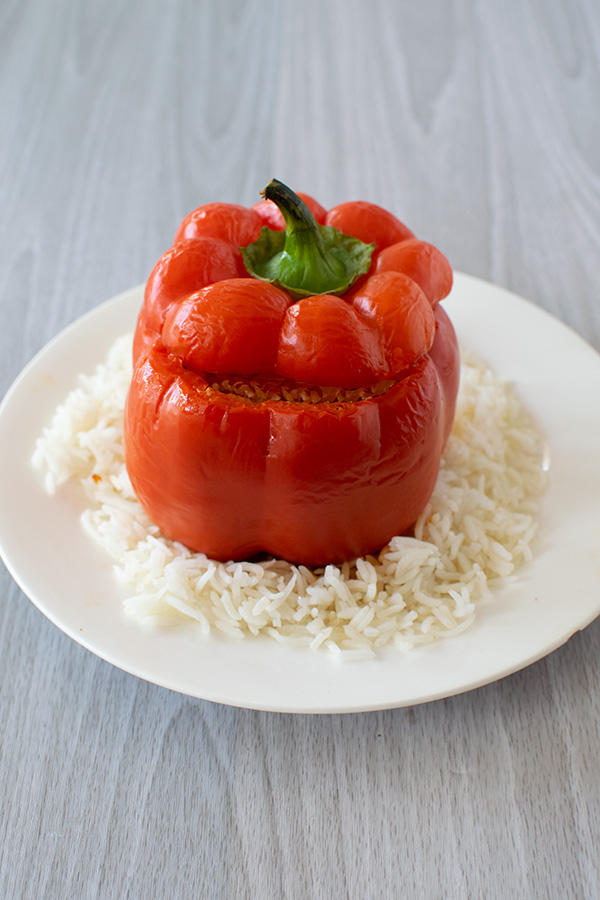
- Easy Vegetarian Stuffed Peppers Recipe
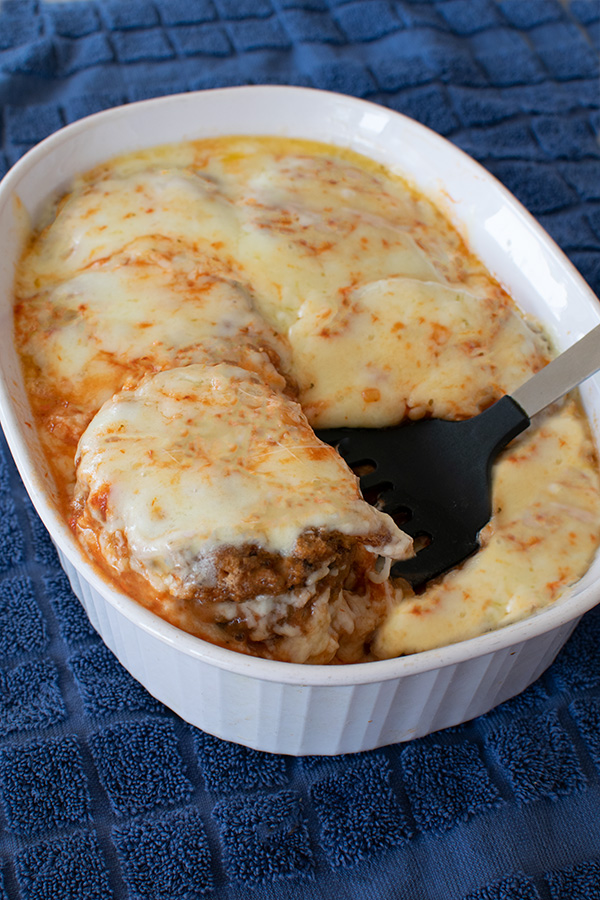
- Easy Vegetarian Eggplant Parmesan Recipe
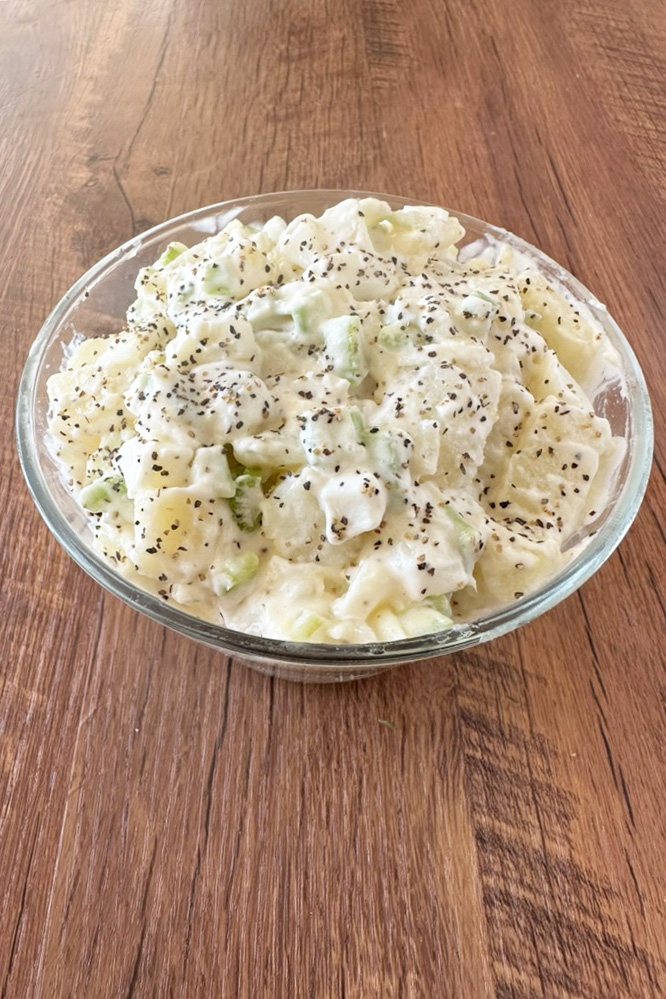
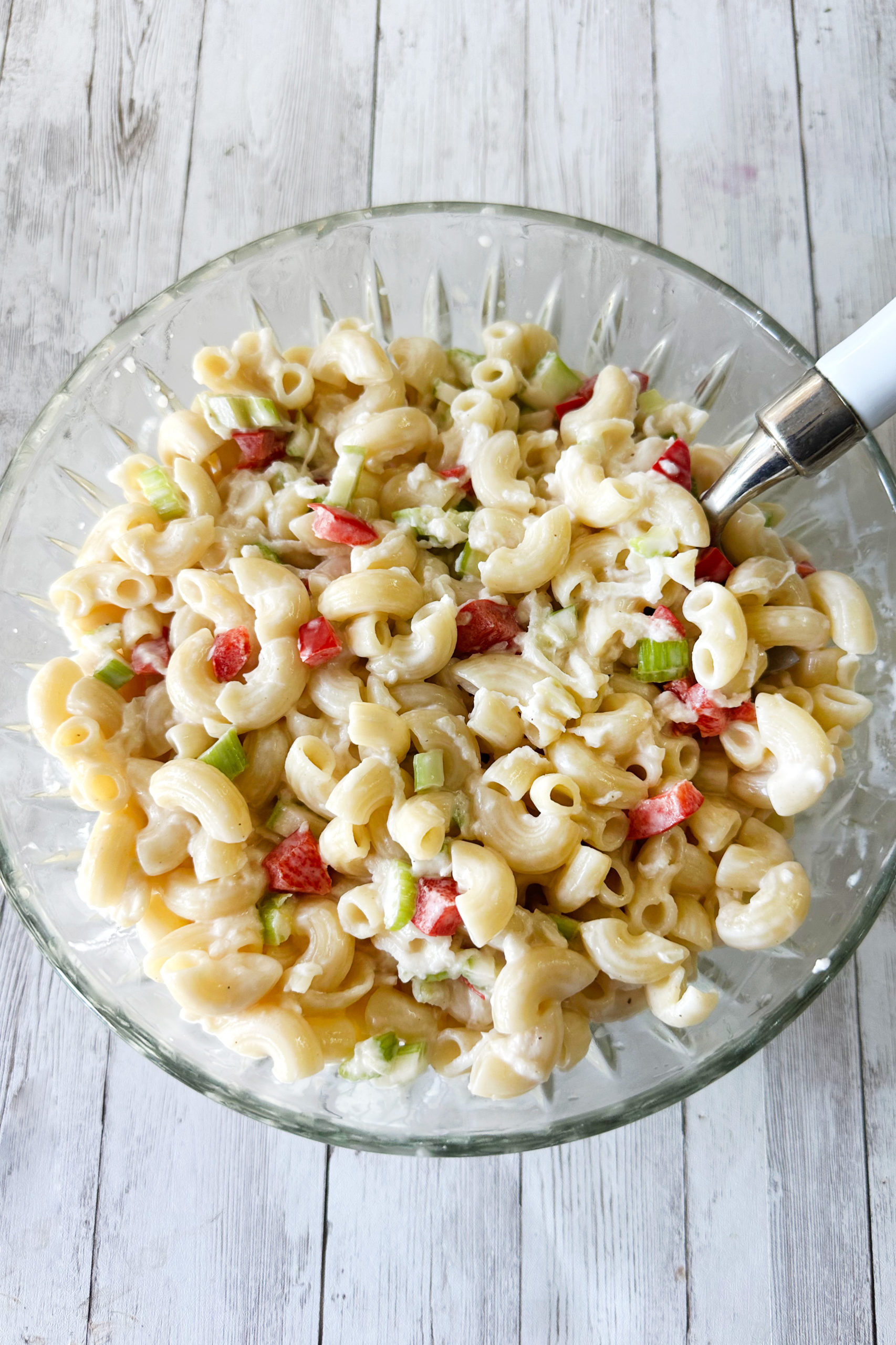
More side salads
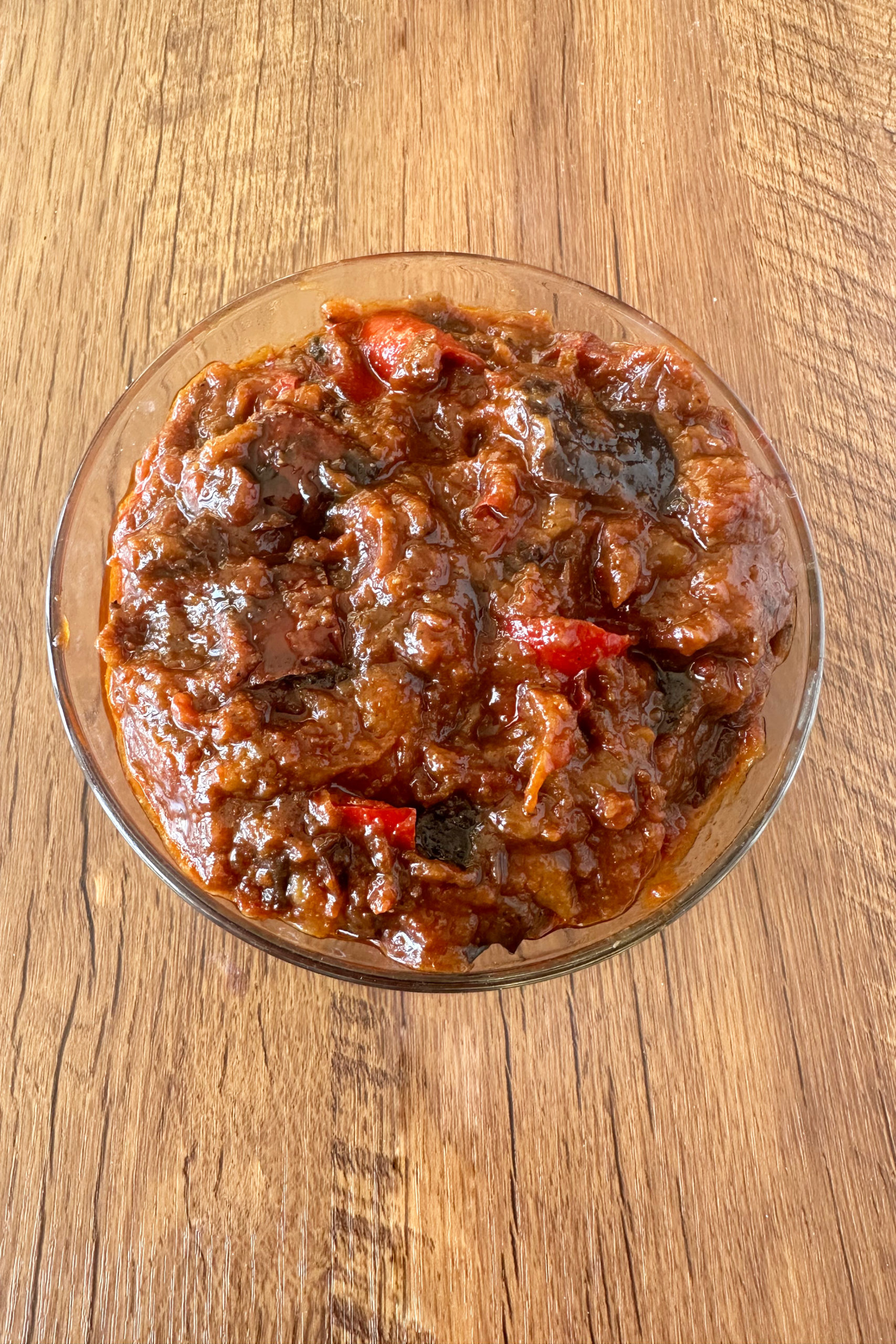
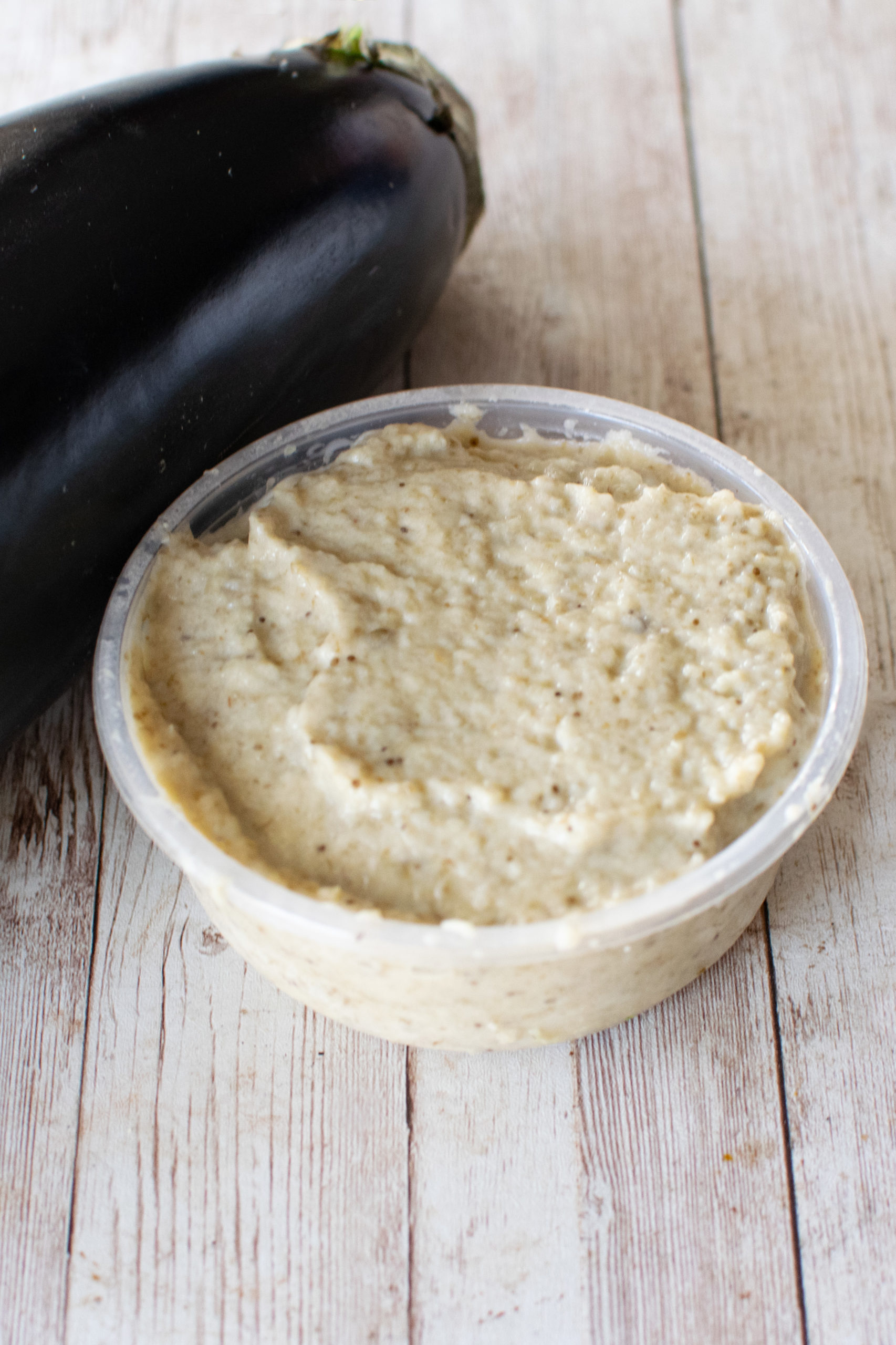
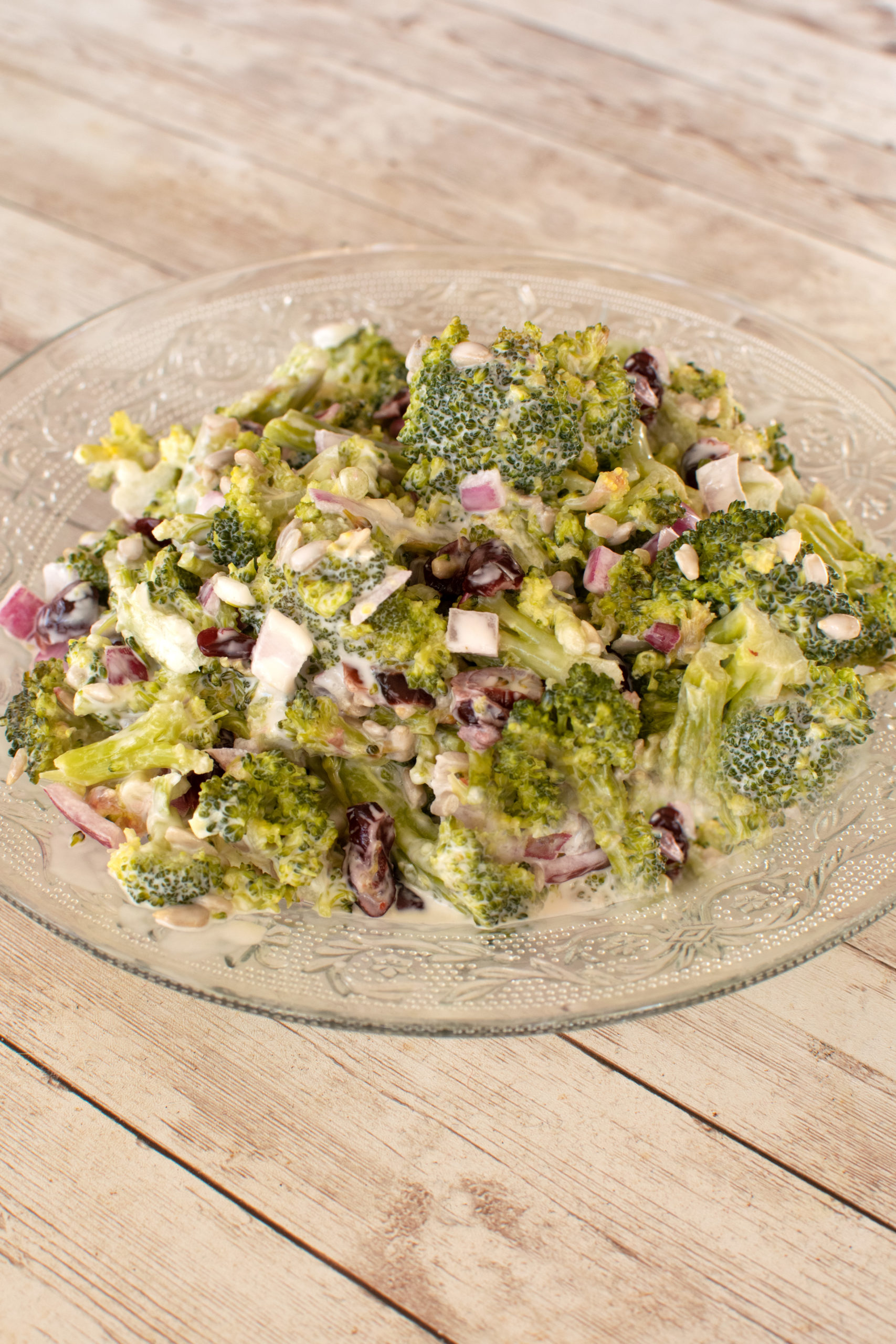
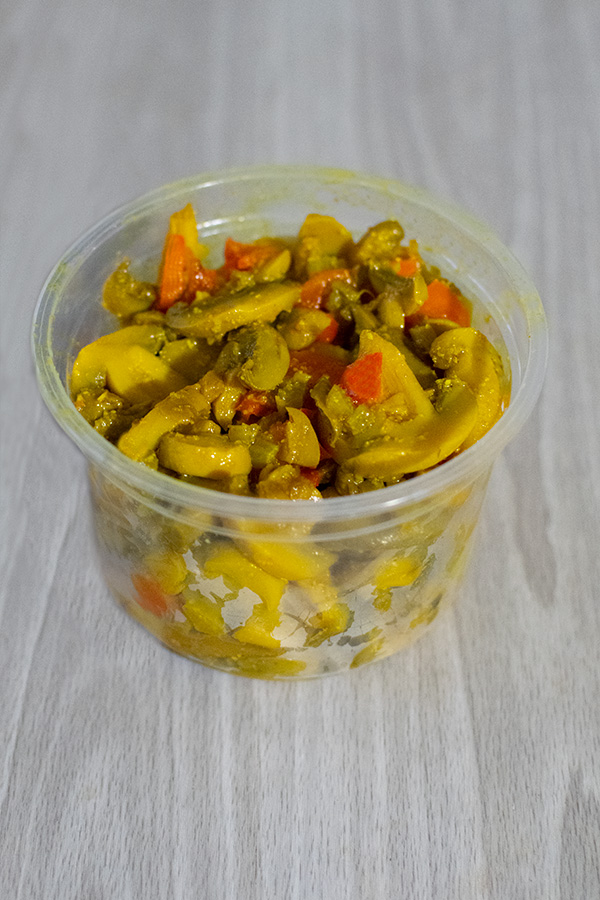
Another Russian classic, made dairy-free.
Easy Vegetarian Olivier Salad Recipe
Classic Russian Salat Olivye potato salad (Russian Salad) made without any pork, dairy, meat, or chicken.
Ingredients
- 4 medium-large cooked potatoes
- ⅔ cup mayonnaise (or as much as desired)
- 8 ounces sour pickles (pickled cucumbers)
- 8 ounces canned peas and carrots
- ½ - ⅔ medium onion
- 4 hard boiled eggs
- salt and/or pepper to taste, if desired
Instructions
- Dice potatoes, pickles, onions, and hard boiled eggs to approximately the same small size and pour into a mixing bowl.
- Add peas and carrots
- Add mayonnaise and mix well.
- Add salt and/or pepper to taste.
Nutrition Information:
Yield:
4Serving Size:
1Amount Per Serving: Calories: 567Total Fat: 37gSaturated Fat: 7gUnsaturated Fat: 30gCholesterol: 202mgSodium: 826mgCarbohydrates: 46gFiber: 6gSugar: 6gProtein: 13g